
I know you love learning all you can about how to take care of chickens. But do you know the difference between pasture raised vs free range chickens? Today we’re going to take a closer look at this topic.


Pasture raised vs organic vs free range chicken explained.
This article may contain affiliate links. Please see our disclosure policy for more details.
What Are Free Range Chickens?
Free range chickens are those that have been given the freedom to roam outdoors, with access to natural sunlight, fresh air, and the ability to forage for food, as opposed to being confined exclusively in indoor cages or coops.
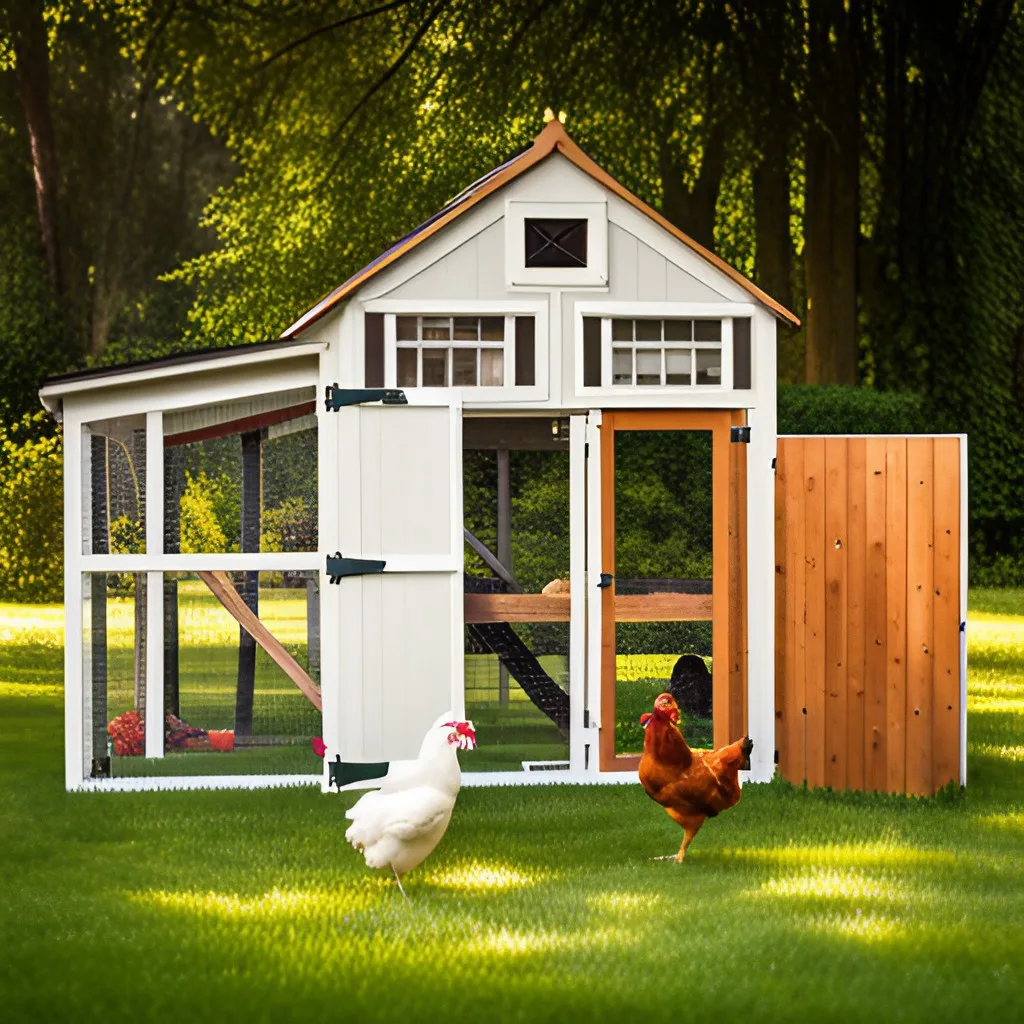
When it comes to backyard chickens and homesteaders, free range chickens are typically those that have a coop and/or a run but they are allowed out into the yard or fields during the day. This could be for an hour or two or for a whole afternoon.


Though free range chickens have plenty of access to bugs and plants, they still have feeders full of commercial chicken feed (or homemade chicken feed). The bugs and plants they eat while scratching about are merely supplemental.
Officially, the United States Department of Agriculture (USDA) defines ‘free range’ as chickens that have been allowed access to the outside. However, it’s crucial to note that the term ‘free range’ does not necessarily guarantee the quality of the outdoor space, the amount of time spent outdoors, or the diet of the chickens.
Free range chickens are typically healthier and happier as they are allowed to live in a more natural environment, engaging in natural behaviour such as pecking, scratching, and dust bathing.
Their diet is more varied as they have the ability to forage for insects, plants, and seeds, in addition to the grain feed provided by the farmers. This diverse diet can lead to a higher-quality, tastier meat and eggs with brighter, more nutrient-rich yolks.


On the other hand, it’s important to be aware that free range doesn’t always mean the birds have ample space to roam. The USDA regulations do not specify the size of the outdoor area or the number of birds in a given space.
Some commercial farms may utilize the free range label while still keeping their birds in crowded conditions, so it’s important for conscious consumers to research the farming practices of the brands they buy from.
What Are Pasture Raised Chickens?
Pasture raised chickens are those that are allowed to roam freely on pasture land, engaging in natural behaviors such as pecking, scratching, and dust bathing in the grass and soil.
These chickens typically have far more outdoor space per bird compared to their free range counterparts. This is because the term ‘pasture raised’ implies that the chickens are given a significant amount of pasture to roam on, although the exact amount can vary from farm to farm.


The USDA does not have an official definition for ‘pasture raised’, leaving the interpretation up to individual farmers and certifiers. However, many farms and certification programs have their own set standards.
For example, some require that each bird has a minimum of 108 square feet of outdoor space, while others may require that the birds are moved to fresh pasture regularly to ensure balanced nutrient consumption and mitigate the build-up of waste.
Pasture raised chickens have a diet that is largely made up of grasses, worms, insects, and seeds found in their pasture environment. They are also often supplemented with grain feed, but their diet is significantly more diverse compared to free-range or conventionally raised chickens.

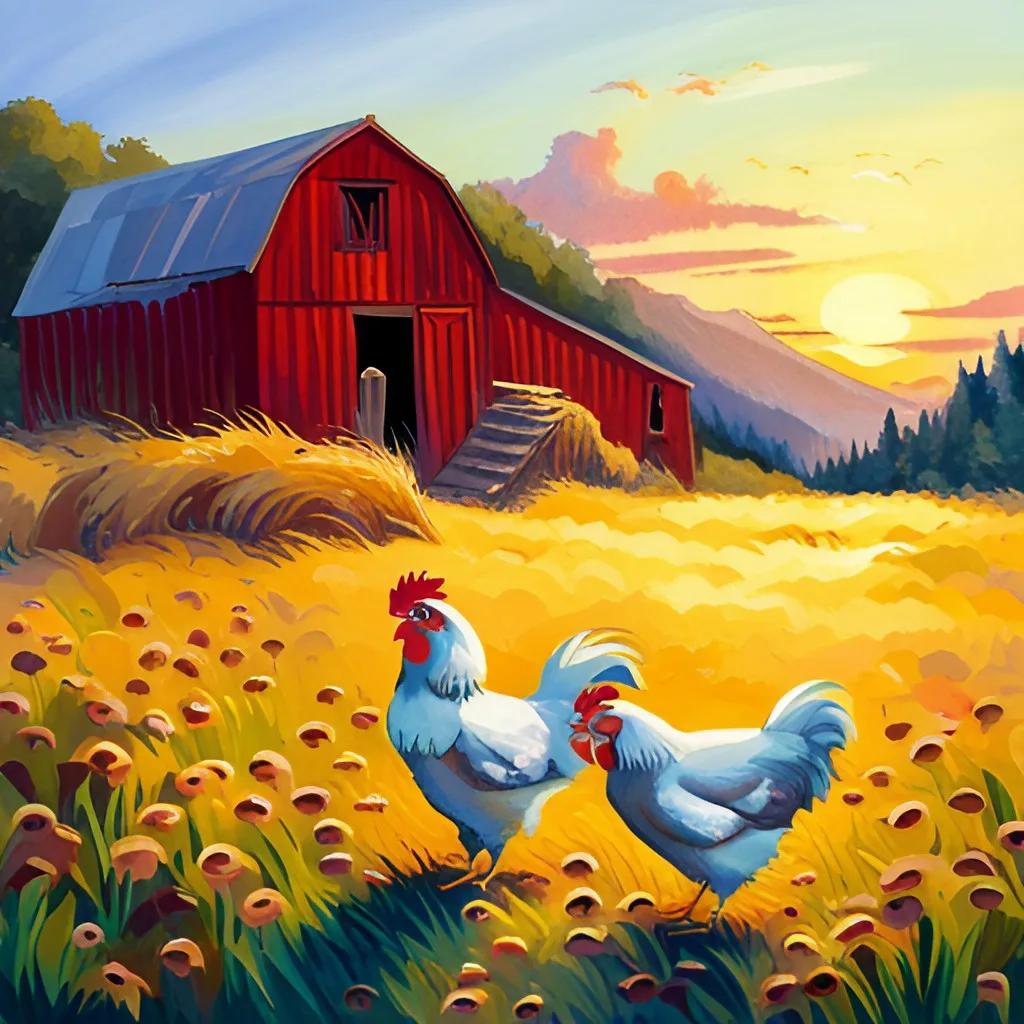
This leads to meat and eggs that are often higher in vitamins and omega-3 fatty acids, and lower in cholesterol and saturated fats.
Our pasture-raised chickens only get commercial chicken feed on snowy or stormy days when the chickens don’t want to come out of the barn. The other 350 days out of the year, they get bugs, plants, and leftovers that they find around the fields.



This not only saves on our chicken feed bill, it also keeps the pests (such as ticks and spiders) down around the farm, all while keeping the chickens (and their eggs!) happy and healthy!
From an animal welfare perspective, pasture raised chickens are generally believed to have the highest quality of life. They are able to engage in more natural behaviors, have a more varied diet, and have more space to roam compared to free-range and conventionally raised chickens.
However, it’s still important to research individual farms and brands, as practices can vary widely.
What Is Pasture Rotation?
Pasture rotation is an agricultural practice that involves moving chickens (and other livestock) across different sections of pasture land over time. This method has significant benefits for both the animals and the land.
If for whatever reason you can’t just give your birds free access to a few dozen acres, pasture rotation is a good way to manage your backyard flock. Here’s how it works:
- Divide your pasture into smaller sections.
- Move your chickens to a fresh section every few weeks or months, depending on the size of your flock and the amount of land available.
- Allow the grazed area to rest and recover before returning chickens to it in another cycle.
This method allows for more efficient use of natural resources, as well as improved soil quality through natural fertilization from chicken waste. It also helps prevent overgrazing and promotes a healthier pasture ecosystem.


With respect to chickens, the rotation allows them continuous access to new, fresh areas of grass, insects, and other natural food sources. By constantly exposing them to diverse feed, this practice enhances their nutritional intake leading to healthier chickens and ultimately producing higher-quality meat and eggs.
From an environmental perspective, pasture rotation helps in maintaining the health of the soil. When chickens scratch and peck at the ground, they naturally till the soil and their droppings serve as an organic fertilizer. This contributes to richer, more fertile soil over time.
However, if chickens are kept in one area for too long, they can overgraze and damage the land. Therefore, regular rotation ensures that no single area gets overused, allowing the land time to recover and regenerate.
Furthermore, this method is beneficial in managing pests and minimizing the risk of disease. By not allowing parasites to build up in one location, the risk of chickens coming into contact with harmful parasites or diseases is significantly reduced. Overall, pasture rotation is an important tool in sustainable farming, promoting healthier livestock, enriched soil, and a more resilient farm ecosystem.
How Chickens are Raised in Factory Farms
In stark contrast to the practices of free range and pasture rotation, chickens raised in factory farms live under vastly different conditions.
These birds are often confined to small, shared cages known as battery cages, with each bird typically given less than a square foot of space. This limited space restricts their ability to engage in natural behaviors like perching, nesting, and dust bathing.
Egg Holder for Refrigerator, 2 Packs Egg Holder BPA Free Egg Storage Carrier Deviled Egg with Lid Egg Container for Refrigerator Egg Organizer Keep Fresh Egg Storage Container in Refrigerator ToresanoEgg Holder for Refrigerator, THIPOTEN 60 Grid Eggs Storage Container for Refrigerator, Perfect Household Egg Organizer for a Hobby FarmClear Plastic Egg Holder for Refrigerator, Stackable Egg Storage Trays With Lid & Handles, Plastic Egg Box Carrier 4 Pack, BPA-Free Egg Storage Container for 18 EggsEgg Holder For Refrigerator – Auto Rolling Egg Organizer 3 Layer – Stacked Egg Tray Fridge Egg Storage Container – Hold 24 EggsToplife Spiral Design Metal Egg Skelter Dispenser Rack, Storage Display Rack, BlackRolling Egg Holder Dispenser,Refrigerator Automatically Rolling Egg Storage Container, 2 Tier Rolling Egg Dispenser, Space Saving Egg Tray For Refrigerator with 2 egg mold(1)



The diet of factory farmed chickens is also significantly different. They are primarily fed a grain-based diet, often enriched with additives to promote rapid growth. This lack of dietary diversity can negatively impact the nutritional profile of the meat and eggs produced.

From an animal welfare perspective, conditions in factory farms are widely criticized. The cramped conditions can lead to stress, injuries, and spread of disease among the birds. In response to these concerns, there has been a growing movement towards more humane farming practices, and a rising demand from consumers for responsibly raised poultry.
However, it’s important to note that factory farming also has some advantages, particularly in terms of efficiency. These operations can produce food on a large scale and at a lower cost than more humane alternatives. This makes poultry products more affordable and accessible to consumers, particularly in urban areas or regions where local, small-scale farming is not viable.
In conclusion, while factory farming can offer cost and efficiency benefits, the practice is associated with significant animal welfare and environmental concerns. As consumers become more conscious of these issues, there is increasing demand for more sustainable and ethically responsible farming practices.
What About Vegetarian-Fed Chickens?
The term “vegetarian-fed” is often seen on labels of chicken meat and eggs. This implies that the chickens were fed a diet devoid of animal by-products. Some consumers prefer vegetarian-fed chicken due to ethical reasons, while others believe it could lead to a healthier product.
However, it’s important to note that this practice is somewhat controversial, as it goes against the chicken’s natural omnivorous diet, which includes insects and worms.


The primary diet of vegetarian-fed chickens consists of grains, legumes, and seeds. This is supplemented with vitamins and minerals to compensate for nutrients that are normally obtained from animal-based sources. While this ensures the chickens receive a balanced diet, it’s argued that it might not be as nutritious as a more diverse, omnivorous diet.


From a health perspective, some research suggests that vegetarian-fed chickens might have lower levels of certain nutrients. For instance, omega-3 fatty acids — which are found in higher quantities in pasture-raised chickens that have a more varied diet — might be less prevalent in vegetarian-fed chickens.
On the other hand, certain consumers feel more comfortable knowing the chicken they’re consuming has been fed a vegetarian diet, free from potentially harmful animal by-products which may be present in conventional chicken feed.
Note that it is almost impossible to guarantee a chicken is exclusively vegetarian fed. Even if their feed is vegetarian, the chicken farmers cannot guarantee no bug crept its way into the chicken’s area. To claim a chicken is 100% vegetarian is just ridiculous.
In sum, the methods adopted to rear chickens significantly impact not only the welfare of the birds, but also the nutritional profile of the resulting poultry products and the sustainability of farming practices.
From free-range and pasture rotation techniques to factory farming, each method has its own set of benefits and drawbacks.
While factory farming can produce poultry on a large scale for a lower cost, it raises serious concerns about animal welfare and environmental sustainability.
On the other hand, free-range and pasture rotation methods, while more labour-intensive and costly, promote healthier livestock and a more resilient farm ecosystem. The practice of feeding chickens a vegetarian diet also sparks debate, as it can limit the birds’ nutrient intake and goes against their natural feeding habits.
It’s important to note that no one method is perfect and conclusive, and there may be room for a blend of practices to ensure both animal welfare and food production efficiency. As consumers, it’s crucial to make informed choices about the food we consume, taking into consideration both our health needs and ethical standpoints.


Charlene has been dabbling in and learning about the homesteading lifestyle for almost 20 years. She recently started a real-world homestead with her extended family and is excited to share 20+ years of knowledge and experience with the world!
While she certainly doesn't know everything about homesteading and is learning more every day, she is excited to learn and grow along with YOU!
Charlene blogs about about homesteading at https://secretlifeofhomesteaders.com/.