
Are you learning how to preserve and store food? What about how to store produce for optimal freshness? We’re not talking long-term storage here – we’re focusing on short-term storage of produce that you want you and your family to enjoy over the next few weeks.

Fresh produce is a staple of a healthy diet. However, there’s nothing more disappointing than reaching into your fruit bowl or vegetable drawer only to find that your produce has spoiled.
Understanding how to store your produce properly can help you avoid this waste and enjoy your fruits and vegetables at their peak of freshness.
This article will focus on short-term storage techniques that will keep your produce fresh for the longest time possible.
This article may contain affiliate links. Please see our disclosure policy for more details.
How Long Do Most Produce Items Last When Stored Correctly?
The shelf life of produce can vary significantly depending on the type, freshness when purchased, and storage conditions. As a general rule of thumb, leafy green vegetables, such as lettuce and spinach, will remain fresh for around a week when stored in the refrigerator’s crisper drawer.

Root vegetables like potatoes and onions can last several weeks to a few months when stored in a cool, dark place, while pumpkins can last up to three months under the same conditions.
Fruits also vary in their shelf life. Berries like strawberries, blueberries, and raspberries will last in the refrigerator for a week if they’re stored in their original ventilated containers. Apples and oranges can stay fresh for a couple of weeks in the fridge, while bananas are best kept at room temperature and typically last only a few days to a week.
It’s important to note that these are general guides, and actual longevity can be affected by many factors, including the maturity of the produce when bought and the temperature and humidity of the storage location. Always check your produce regularly and use your senses to determine freshness. If it looks, smells, or feels off, it’s best to discard it.
Does Washing My Produce Before Storing It Make It Last Longer?
Contrary to what many might believe, washing produce before storage does not prolong its freshness. In fact, it might have the opposite effect and actually promote spoilage. This is due to the fact that the moisture left on the produce after washing can encourage the growth of mold and bacteria, leading to premature rotting.

It’s generally recommended to wash fruits and vegetables right before eating or preparing them instead of prior to storage. However, there are a few exceptions to this rule. For instance, certain root vegetables like potatoes and carrots can be washed before storage to remove any residual soil. However, make sure they are thoroughly dry before putting them away.
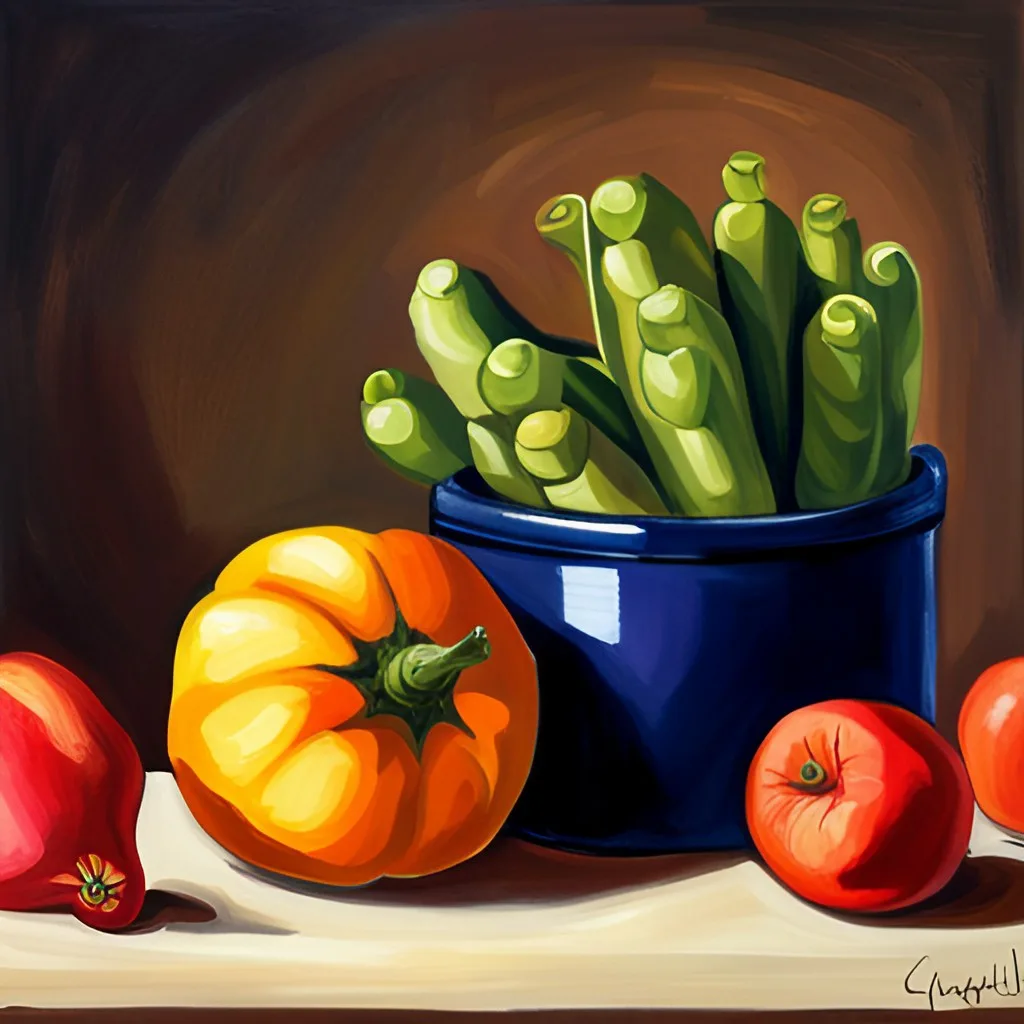
In the case of berries, washing them before storage can cause them to become mushy and spoil faster. Instead, consider washing them just before you’re ready to eat them. In addition, storing them in their original ventilated packaging, or a container lined with paper towels to absorb any excess moisture, can help extend their shelf life.
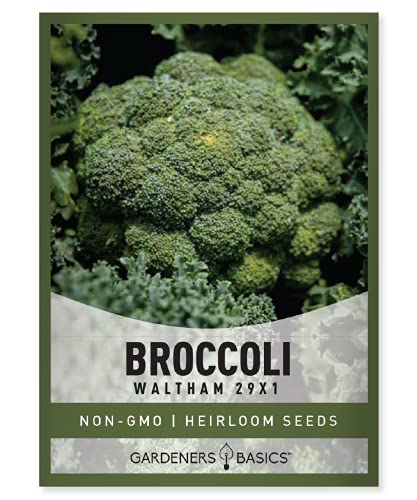
25 Winter Vegetable Garden Seeds Variety Pack for Planting Outdoors & Indoor Home Gardening 6500+ Non-GMO Heirloom Veggie Seeds: Broccoli Beet Carrot Collard Lettuce Radish Spinach Pea Kohlrabi & More Survival Garden Seeds Broccoli Microgreens for Sprouting and Growing – Seed to Sprout Green Leafy Micro Vegetable Plants Indoors – Grow Your Own Mini Windowsill Garden – Non-GMO Heirloom VarietyBurpee Sun King Broccoli Seeds 400 seedsBroccoli Seeds for Planting is A Great Heirloom, Non-GMO Vegetable Variety- 1 Gram Seeds Great for Outdoor Spring, Winter, and Fall Gardening by Gardeners BasicsBroccoli: A short illustrated book of facts to help children understand fruits and vegetables. Illustrated and educational book for children aged 4 to 10 years (Fun Facts on Fruits and Vegetables)



Grapes are the exception to this rule – I have personally found that when I soak my grapes in vinegar water before putting them in the fridge, they last quite a while. On the other hand, I’ve done this with strawberries and blueberries with less than optimal results.
Remember, proper storage methods vary by produce type. Always research the best storage practices for each type of produce to enjoy them at their peak freshness.
Should Some Produce Items Not Be Stored Next To Each Other?
Yes, absolutely. Many fruits and vegetables release a natural gas called ethylene as they ripen. This gas can hasten the ripening process of other produce located near them, causing premature spoilage. For instance, apples, bananas, and tomatoes are high ethylene producers and should be stored separately from ethylene-sensitive produce like broccoli, carrots, lettuce, and sweet potatoes.
Conversely, it can be beneficial to store certain fruits and vegetables together if you want them to ripen faster. For example, placing a ripe banana in a bag with an unripe avocado will speed up the avocado’s ripening process due to the ethylene gas produced by the banana.


In addition, certain produce such as onions and potatoes should not be stored together even though they both prefer cool, dark, and dry storage conditions. The gases released by the onions can cause potatoes to sprout faster.
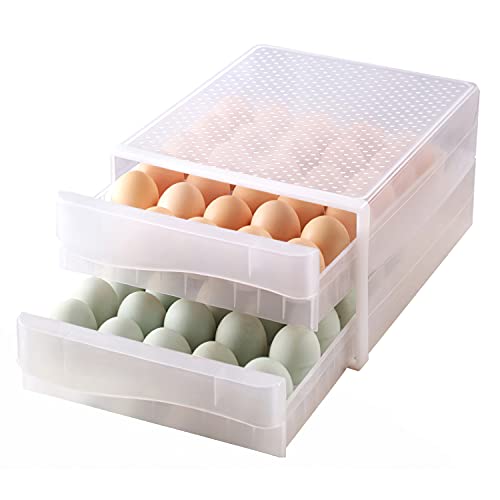
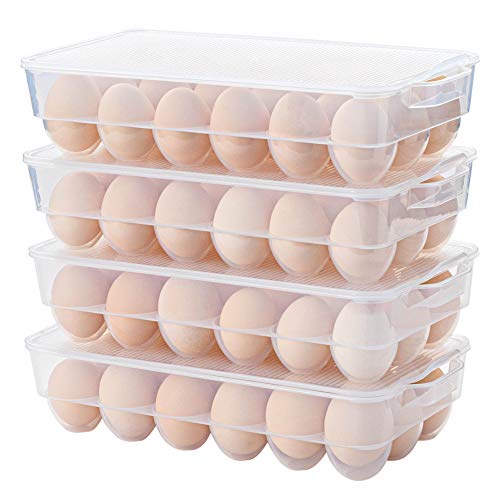
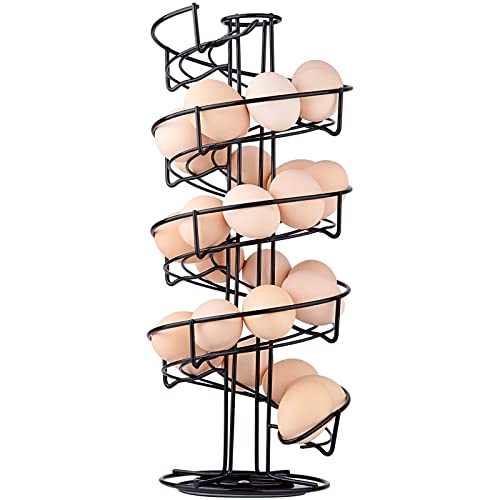
Egg Holder for Refrigerator, 2 Packs Egg Holder BPA Free Egg Storage Carrier Deviled Egg with Lid Egg Container for Refrigerator Egg Organizer Keep Fresh Egg Storage Container in Refrigerator ToresanoEgg Holder for Refrigerator, THIPOTEN 60 Grid Eggs Storage Container for Refrigerator, Perfect Household Egg Organizer for a Hobby FarmClear Plastic Egg Holder for Refrigerator, Stackable Egg Storage Trays With Lid & Handles, Plastic Egg Box Carrier 4 Pack, BPA-Free Egg Storage Container for 18 EggsEgg Holder For Refrigerator – Auto Rolling Egg Organizer 3 Layer – Stacked Egg Tray Fridge Egg Storage Container – Hold 24 EggsToplife Spiral Design Metal Egg Skelter Dispenser Rack, Storage Display Rack, BlackRolling Egg Holder Dispenser,Refrigerator Automatically Rolling Egg Storage Container, 2 Tier Rolling Egg Dispenser, Space Saving Egg Tray For Refrigerator with 2 egg mold(1)



In summary, understanding the ripening process and the effects of ethylene gas can significantly help in the optimal storage of fruits and vegetables. Be mindful of which items to keep separate or together to extend the freshness of your produce.
Fridge vs Counter: Where to Store Your Produce And How To Keep Produce Fresh
Some produce items go better in the fridge and others do best at room temperature on the counter. The only question is which ones are which?
In the Fridge
Leafy Greens: Lettuce, spinach, kale, and other leafy greens should be washed, dried, and stored in the refrigerator. A pro tip is to wrap them in paper towels that can absorb excess moisture and prevent them from wilting.


Berries: Berries like strawberries, raspberries, blueberries, and blackberries are delicate and prone to mold, so they should always be refrigerated.
Herbs: Most herbs like parsley, cilantro, and basil should be kept in the fridge. Store them upright in a glass of water covered with a plastic bag to maintain their freshness.
On the Counter
Tomatoes: Tomatoes are best stored at room temperature as refrigeration can make them mealy and flavorless.
Bananas: Bananas ripen best at room temperature. Once ripened, they can be put in the fridge to slow down further ripening.

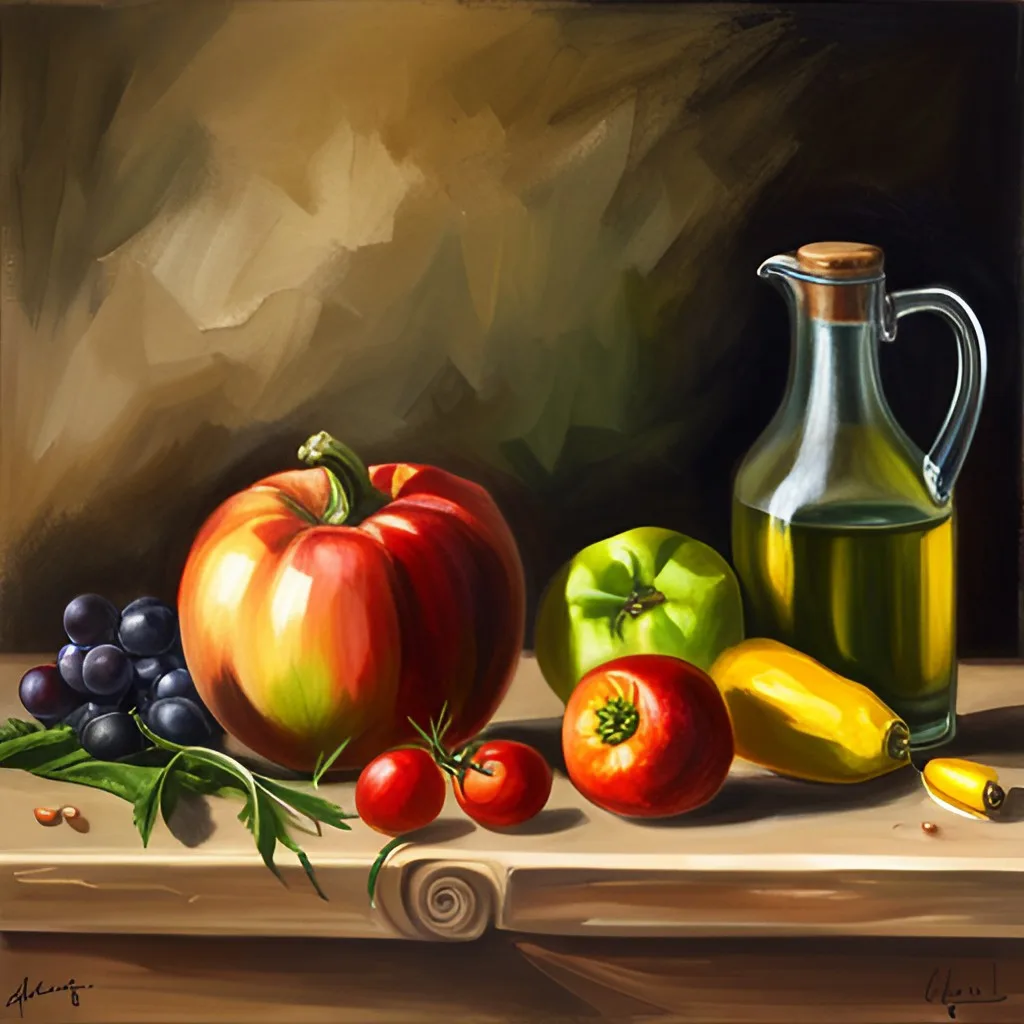
Stone Fruit: Peaches, plums, cherries, and apricots should be kept at room temperature until they’re fully ripe. After that, they can be refrigerated.
Produce Companionship: What Not to Store Together
Certain fruits and vegetables emit ethylene gas, which can speed up the ripening process of other produce. Here are a few items that should not be stored next to each other:
Bananas and Apples: Both of these fruits emit ethylene, and when stored together, they can over-ripen each other quickly.
Onions and Potatoes: While it might seem logical to store these two together, onions can cause potatoes to sprout faster.
Melons and Almost Anything: Melons produce a lot of ethylene gas, which can cause other fruits and vegetables to ripen and spoil more quickly.
In conclusion, proper storage can dramatically extend the life of your produce. Remember, some fruits and veggies like it cold, some like it room temperature, and some just need their space. With these tips, you’ll prevent premature spoiling and enjoy your fruits and vegetables at their peak deliciousness.
Happy healthy eating!


Charlene has been dabbling in and learning about the homesteading lifestyle for almost 20 years. She recently started a real-world homestead with her extended family and is excited to share 20+ years of knowledge and experience with the world!
While she certainly doesn't know everything about homesteading and is learning more every day, she is excited to learn and grow along with YOU!
Charlene blogs about about homesteading at https://secretlifeofhomesteaders.com/.