
If you are learning how to care for sheep, you are going to want to learn how to treat pneumonia in sheep. Here at Secret Life of Homesteaders, we want to help you keep your sheep as healthy as possible.
Infectious pneumonia, or walking pneumonia, is a common ailment in sheep. It is caused by bacteria and viruses and can lead to some serious health problems.


Left untreated, pneumonia in sheep can be fatal.
Fortunately, there are several ways to treat pneumonia in sheep and help them recover.
In this blog post, we’ll discuss the different methods of treatment and how you can successfully cure your sheep of pneumonia.
This article may contain affiliate links. Please see our disclosure policy for more details.
Pneumonia Causes In Sheep
Pneumonia is a serious respiratory tract infection that affects sheep of all ages, including rams, ewes, and lambs.
The most common cause of pneumonia outbreaks in sheep is bacteria (AKA bacterial pneumonia), but viruses and fungi can also lead to pneumonia (AKA mannheimia haemolytica and pasteurella multocida).
When it comes to sheep, pneumonia often starts with a viral infection or a bacterial infection that weakens the lungs and makes them susceptible to secondary bacterial infections. However, there are many different types of bacteria that can cause pneumonia, and it can be difficult to determine the specific cause without laboratory testing.
There are a few different things, or risk factors, that can cause sheep to come down with pneumonia. Walking pneumonia, for example, is caused by dry and dusty conditions (such as those associated with keeping sheep in a barn or shoot instead of out in a healthy pasture), especially when combined with higher levels of stress. These factors are sure to weaken the respiratory system of a sheep.

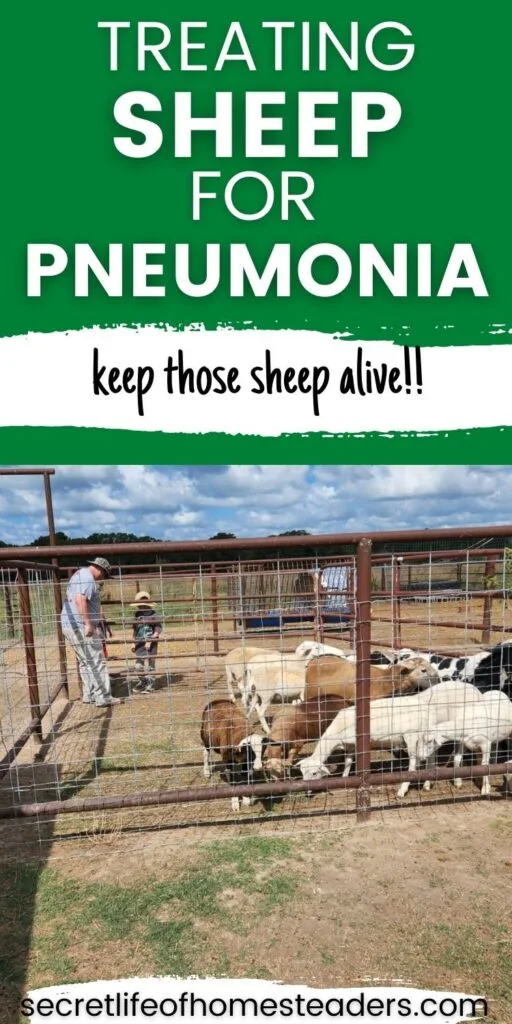
Or merely coming into contact with the infected bacteria or virus can also cause the entire flock to contract pneumonia (so avoid overcrowding). This is why it’s so important to participate in healthy animal management practices at all times.
Signs Of Pneumonia In Sheep
How do you know if your sheep have pneumonia?
- Coughing
- Rapid Breathing
- Lethargy
- Decreased Appetite
- Weight Loss
- Wet Stools
- Nasal Discharge
Signs of pneumonia in sheep include cough, rapid breathing, lethargy, and decreased appetite. Sick animals will experience weight loss and have wet stools (as opposed to the dry pebble stool of a healthy sheep). Infected sheep will also experience nasal discharge.
If left untreated, pneumonia can be fatal. This respiratory disease regularly results in seemingly sudden death.
Early diagnosis and treatment are essential for the best possible outcome. Veterinarians will often prescribe antibiotics even before test results are available, in order to start treatment as soon as possible.
Can Sheep Recover From Pneumonia
Pneumonia is a serious respiratory infection that can completely debilitate a sheep. The infection causes the lungs to fill with fluid, making it difficult for the sheep to breathe. In severe cases, pneumonia can be fatal. However, with prompt treatment, many sheep are able to make a full recovery.
When you are treating your sheep for pneumonia, you want to act right away and continue treatment for at least 4-5 days. Depending on the treatment method you choose to use, you might be treating for upwards of 1-2 weeks. However, since each head of sheep is extremely valuable and pneumonia can quickly spread out of control, you will want to be strict on daily treatment in order to save as many sheep as possible.

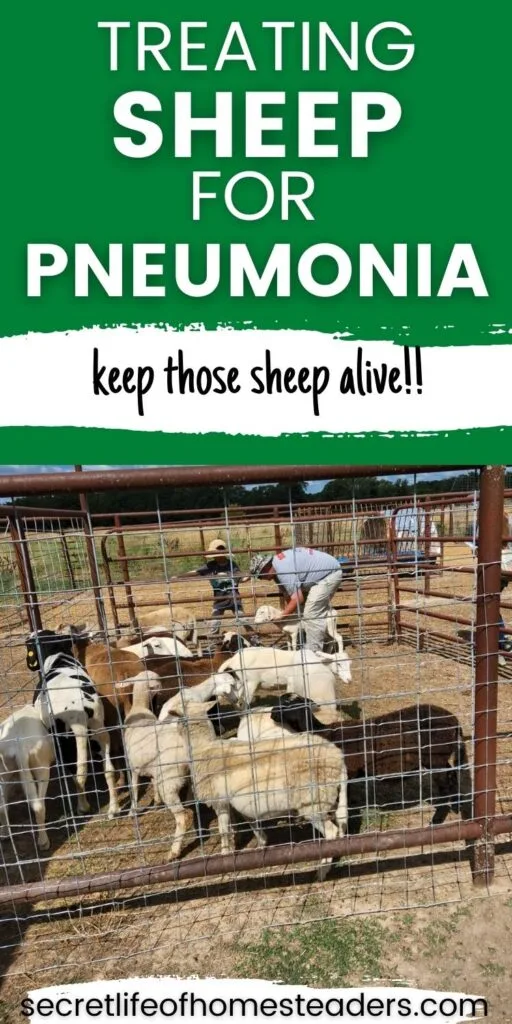
During and after the course of treatment, do everything you can to keep up your animals‘ health. Animals with a good immune system will be less likely to fall susceptible to respiratory tract infections such as pneumonia. They will also be less likely to experience parasites such as lungworms or any other gastrointestinal worms.
Best Treatment For Pneumonia in Sheep
Nowadays, many sheep farmers and homesteaders administer pneumonia vaccines to their sheep. However, if you already have affected animals, it’s too late to consider vaccines and it’s time to move on to treatment.
The first step in treatment is to provide the sheep with plenty of rest and reduce stress as much as possible.
This can be achieved by avoiding the transport of sheep who are ill and keeping sheep out of extreme weather conditions wherever possible. This helps to reduce the strain on the lungs and allows the body to focus on fighting the infection.
Next, antibiotics are often administered to help clear the lungs of bacteria. Traditional pneumonia treatment can be purchased at many feed and livestock stores.
When it comes to pneumonia treatment, most farmers and homesteaders trust antibiotics such as Nuflor, Naxel, and Draxxin. Banamine is also a good option. Drenching animals in these antibiotics is typically a good way to address pneumonia and improve animal health.


If you prefer to avoid traditional antibiotics, colloidal silver is also a highly effective method for treating pneumonia in sheep. Many sheep farmers (ourselves included) have saved entire flocks from cases of pneumonia using just colloidal silver.
With proper treatment, many sheep are able to recover from pneumonia and return to their normal life.
Natural Treatment For Pneumonia
As mentioned earlier, a lot of farmers and homesteaders prefer natural solutions over chemical-based ones. While traditional antibiotics are a great quick fix in many situations, nobody wants to pump their animals full of chemicals. Additionally, overtreating with chemicals is a good way to create antibiotic-resistant bacteria and when that happens, we’re all in a pickle!
Our favorite natural treatment for pneumonia in sheep is colloidal silver.


When our flock began dying of pneumonia, we were brand new to sheep farming and had no clue what we were doing. Sheep were coughing, some were dying, and many were losing weight like crazy.
After talking to some sheep farmer buddies, we decided our flock has walking pneumonia due to being transported around in the middle of a dry, summer heat wave. And since we live a long ways from the nearest feed store or other antibiotic source, we decided to use the colloidal silver we already had on hand and give that a go. We figured if it didn’t work by the time the weekend was over, we’d go buy the more traditional antibiotics anyways.

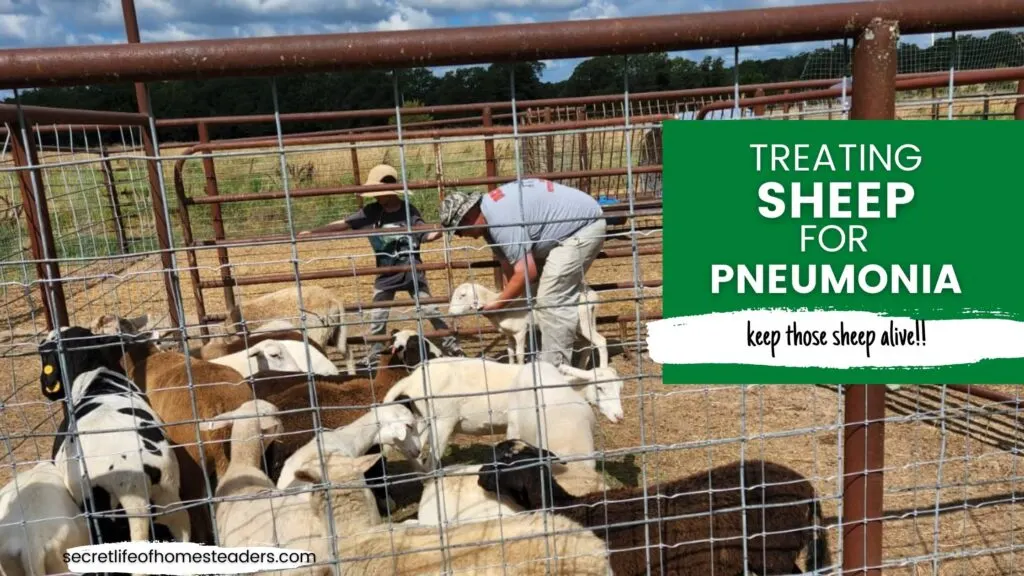
Well low and behold, the colloidal silver worked! After just one dose, we noticed an immediate difference in the health of our sheep. The coughs were less intense and less frequent. After two doses, the sheep were beginning to become more energetic and put on a bit of weight. And by the end of the weekend, coughing in all sheep had dramatically decreased.
We continued with our colloidal silver treatment for the next several days and we ended up saving the rest of our flock from that nasty pneumonia. Now we keep colloidal silver on hand for all of our livestock.
Read Also – How To Treat Joint Ill In Lambs Naturally Using Colloidal Silver
How To Treat Sheep With Colloidal Silver
When we treated our sheep with colloidal silver, we followed these steps:
- Make a concoction that consists of 5 ML of water and 1 dropper full (about 1/2 tsp) of 500ppm colloidal silver. We made a bowl filled with enough for all of our sheep to take one dose.
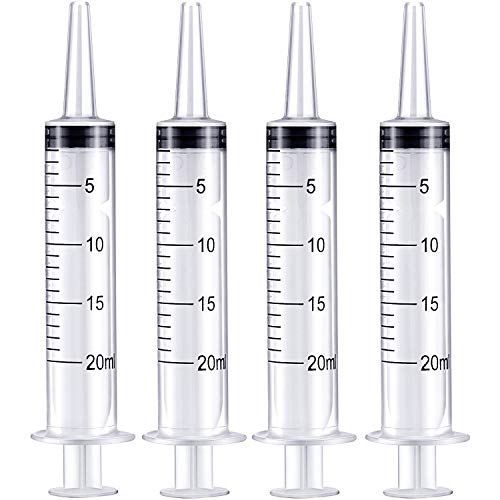
- Using a plastic syringe (that we got at the feed store) we shot a little more than 5 ML of this concoction down the throat of each sheep. To ensure the sheep actually swallowed their medicine, we straddled them, held their necks up tall and straight, squirted the liquid into their mouths via the syringe, and then held their heads for another few seconds to ensure nothing got spit out.
- We repeated these steps twice a day for 14 days, just to be on the safe side of things. We did not want this infection getting ahead of us.
- Any extra silver at the end of a dosing got dumped into the sheep’s water trough.
And that’s it! We began seeing positive results right away and it only took a few days for all of the sheep to look and act completely healthy again. In fact, our sheep now look and act healthier than those of our experienced sheep farming buddy.


Charlene has been dabbling in and learning about the homesteading lifestyle for almost 20 years. She recently started a real-world homestead with her extended family and is excited to share 20+ years of knowledge and experience with the world!
While she certainly doesn't know everything about homesteading and is learning more every day, she is excited to learn and grow along with YOU!
Charlene blogs about about homesteading at https://secretlifeofhomesteaders.com/.
Megan O.
Monday 6th of May 2024
I have an 18 day old lamb that is showing signs of wither joint ill or pneumonia. He is a little lethargic, dis nit eat much and has been shivering infrequently. Has a slight clear runny nose. What might you suggest for him integards to colloidal silver treatment?
Charlene Hess
Sunday 19th of May 2024
I am not a vet but if it was me, I would inject a dropper full of colloidal silver into his mouth every 3 to 4 hours for 48 hours. If he gets better, keep up the treatment. If he does not, then something else is wrong.
Leila
Friday 8th of September 2023
Hi there I am not sure my ram has pneumonia but he is short of breath and coughing now and then. I was able to buy 50 ppm of colloidal silver from my health food store and so am giving him 1 ml twice a day of that but your blog says 500 ppm. I cannot buy that strength in Canada but do have some coming from the US but it won’t get here until sept 17th. How much of the 50 ppm should I be giving him now?
Thanks
Charlene Hess
Monday 25th of September 2023
I would give him 10 ML twice per day