
Lambing season is an exciting and rewarding time for homesteaders, but it can also present challenges, especially when temperatures dip unexpectedly. Newborn lambs are particularly vulnerable to hypothermia due to their small size, wet birth coat, and limited energy reserves.
A cold snap can quickly become life-threatening if proper precautions aren’t taken. In this article, we’ll cover the signs of hypothermia, preventative measures, and emergency interventions to keep your lambs warm and healthy.
This article may contain affiliate links. Please see our disclosure policy for more details.
Why Are Newborn Lambs at Risk of Hypothermia?
Hypothermia occurs when an animal’s body temperature drops below normal, impairing their ability to function. Newborn lambs are at heightened risk due to:
- Wet Birth Coat: Lambs are born wet, which causes rapid heat loss unless they are dried off quickly.
- Limited Fat Reserves: Lambs lack the fat stores needed to insulate their bodies and generate heat.
- Cold Environments: Drafty or uninsulated barns and exposure to wind, rain, or snow exacerbate heat loss.
- Inadequate Nutrition: Without sufficient colostrum intake, lambs lack the energy to maintain their body temperature.
Signs of Hypothermia in Newborn Lambs
Recognizing hypothermia early is critical to saving a lamb’s life. Common signs include:
- Mild Hypothermia (Temperature: 98-101°F):
- Lamb is cold to the touch, especially on the ears and legs.
- Weakness or lethargy.
- Reluctance to nurse or stand.
- Severe Hypothermia (Temperature: Below 98°F):
- Lamb is unresponsive or comatose.
- Shallow breathing.
- No suckling reflex.
- Pale or bluish gums.
Preventative Measures
Preventing hypothermia starts with preparation and proactive care. Here are some steps to minimize risks:
1. Prepare the Lambing Area
- Ensure your lambing pen is sheltered, draft-free, and well-insulated.
- Use straw or other bedding materials to provide a warm, dry surface.
- Maintain a temperature of at least 50°F in the lambing area if possible. Use heat lamps or heaters if necessary, but ensure they are safely positioned to avoid fire hazards.
2. Assist with Drying
- Immediately after birth, use clean towels to dry the lamb thoroughly, focusing on the head, ears, and legs.
- If conditions are particularly cold, use a hairdryer on a low heat setting to warm and dry the lamb.
3. Encourage Colostrum Intake
- Colostrum is critical for energy and immunity. Ensure the lamb nurses within the first 1-2 hours of birth.
- If the ewe is unable to provide colostrum, use a high-quality commercial colostrum replacer.
4. Monitor Closely
- Check lambs frequently during cold snaps, paying close attention to their behavior and body temperature.
- Use a rectal thermometer to monitor temperatures if you suspect a problem.
5. Provide Supplemental Warmth
- For vulnerable lambs, use warming boxes or heated blankets. Ensure these are set to a safe temperature to avoid overheating.
- Consider lamb jackets or sweaters made from materials like wool or fleece for added insulation.
Emergency Interventions for Hypothermia
If a lamb shows signs of hypothermia, swift action is required. Here’s what to do:
For Mild Hypothermia (Temperature: 98-101°F):
- Dry the Lamb: Remove any wetness using clean towels.
- Provide Heat: Place the lamb in a warming box, under a heat lamp, or wrap it in a heated blanket. Gradually raise its body temperature.
- Encourage Nursing: Once the lamb is warm, ensure it nurses to replenish energy reserves. Use a bottle or stomach tube with warmed colostrum if necessary.
For Severe Hypothermia (Temperature: Below 98°F):
- Warm Slowly: Place the lamb in a warming box or wrap it in warm towels. Avoid sudden temperature changes, as this can cause shock.
- Administer Glucose:
- Lambs with severe hypothermia often lack energy to shiver and warm themselves. Administer a glucose solution before warming.
- Mix 50% dextrose solution (1ml per pound of body weight) with an equal part of warm water. Inject subcutaneously (under the skin) in the lamb’s neck or flank using a sterile syringe.
- Consult your veterinarian if you’re unsure about administering glucose.
- Monitor Closely: As the lamb’s temperature rises, check for signs of improvement, such as increased movement and responsiveness.
- Follow Up with Feeding: Once the lamb is alert, offer warm colostrum to restore energy.
Long-Term Strategies for Cold Snaps
Planning ahead can make all the difference when temperatures plummet. Here are some strategies to implement:
- Breed for Hardiness: Choose breeds known for their resilience in cold climates, such as Icelandic or Scottish Blackface sheep.
- Supplement Ewes’ Nutrition: Pregnant ewes with adequate nutrition produce stronger lambs with better energy reserves.
- Lamb Indoors When Possible: Consider lambing in a barn or shelter to protect newborns from harsh weather.
- Stock Emergency Supplies: Keep a lambing kit on hand with essentials like colostrum replacer, glucose solution, syringes, and a thermometer.
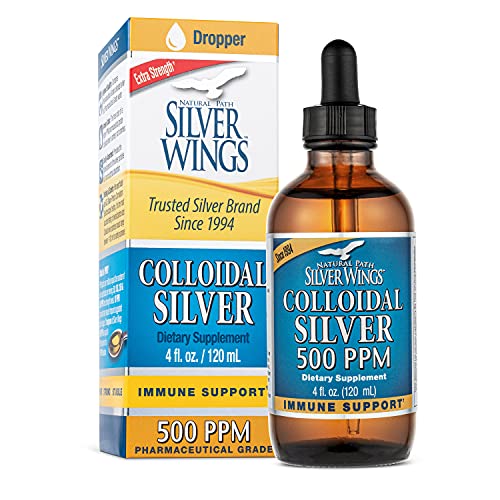
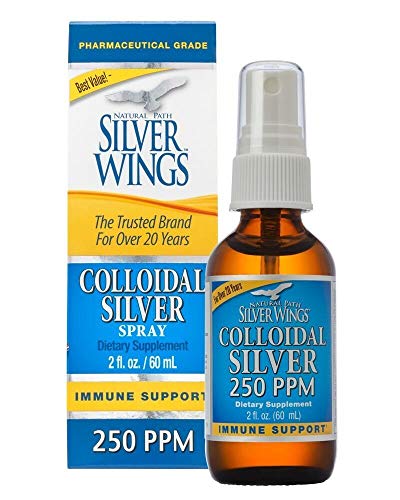
- Keep Lambs’ Energy Up: Keep your lambs energy up and their immune systems high by feeding your lambs colloidal silver.



Conclusion
Preventing hypothermia in newborn lambs during cold snaps requires preparation, vigilance, and quick action. By providing a warm, dry environment, ensuring colostrum intake, and monitoring your lambs closely, you can significantly reduce the risks. Should hypothermia occur, knowing how to respond promptly can save lives. With the right care and planning, you can navigate the challenges of lambing season and enjoy the rewards of healthy, thriving lambs on your homestead.


Charlene has been dabbling in and learning about the homesteading lifestyle for almost 20 years. She recently started a real-world homestead with her extended family and is excited to share 20+ years of knowledge and experience with the world!
While she certainly doesn't know everything about homesteading and is learning more every day, she is excited to learn and grow along with YOU!
Charlene blogs about about homesteading at https://secretlifeofhomesteaders.com/.