
Do you raise chickens? Are you looking for the best LGDs (livestock guardian dogs) for protecting chickens?


Starting a homestead and getting chickens is an exciting journey, but protecting your flock from predators can quickly become a high-stakes challenge. For those new to the homesteading life, the idea of employing a Livestock Guardian Dog (LGD) to safeguard your chickens might seem both appealing and daunting.
This guide aims to demystify the process by covering everything you need to know about choosing, training, and trusting an LGD with your feathered friends.
This article may contain affiliate links. Please see our disclosure policy for more details.
What is an LGD? (Livestock Guardian Dog)
An LGD, or Livestock Guardian Dog, is a breed of dog specifically bred and trained to protect livestock from predators. Unlike herding dogs that move animals from one place to another, LGDs are bred to live with the livestock they protect, forming a bond with them and remaining on constant guard.
These dogs are typically large and strong, and exhibit a calm yet assertive temperament, which makes them excellent deterrents against a variety of predators, such as foxes, coyotes, and birds of prey.


LGDs have been used for thousands of years, with ancient breeds originating in Europe and Asia where pastoral communities relied heavily on their dogs for the protection of sheep and goats.
These dogs have a natural instinct to watch over and protect their charges, which is crucial for their role. They are known for their loyalty, intelligence, and ability to make independent decisions in the face of potential threats.
When integrated into a homestead, LGDs typically require proper training and socialization to understand that their primary duty is to protect the chickens or other livestock. This involves gradually introducing them to the flock, teaching them to be gentle with the animals, and reinforcing protective behaviors.
Once trained, an LGD can be left in the pasture or barnyard to provide an invaluable layer of security, giving homesteaders peace of mind that their chickens are safe from harm.
Understanding LGDs and Their Role
Livestock Guardian Dogs are breeds specifically developed to protect livestock from a variety of predators, including foxes, raccoons, hawks, and even larger threats like coyotes and bears. Their role is to act as a deterrent, using their presence and barking to discourage predators from approaching the livestock. They may also physically intervene if necessary, but their primary goal is to deter attacks through their intimidating size and behavior.
It’s important to note that LGD breeds are not meant to be aggressive or attack without reason. In fact, they should only use physical force as a last resort to protect the flock. Properly trained and socialized LGDs should be tolerant of other animals and humans, including children, but will instinctively protect their charges if they feel threatened. This is why it’s crucial to choose the right breed and train them properly to ensure a harmonious relationship with your chickens.
The Best LGDs for Protecting Chickens
Not just any dog breed can successfully perform as an LGD. In fact, some breeds have inherited traits that will naturally make them terrible around your flocks. For example, animals that are bred to hunt or retrieve typically can not be trusted around livestock, especially chickens. There are exceptions to every rule but in general, this is just how dogs work.
This is the main reason why it’s so important to do your research and choose a breed that is best-suited for your specific homestead needs.
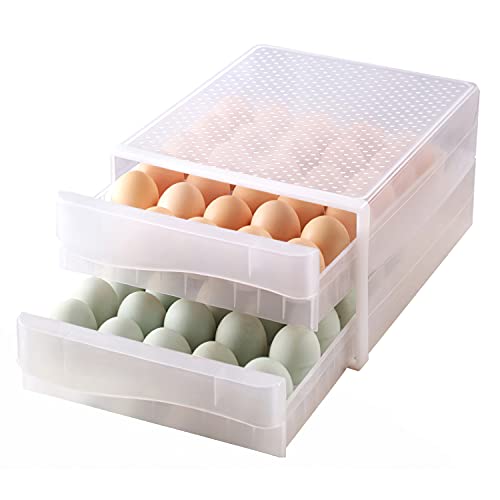
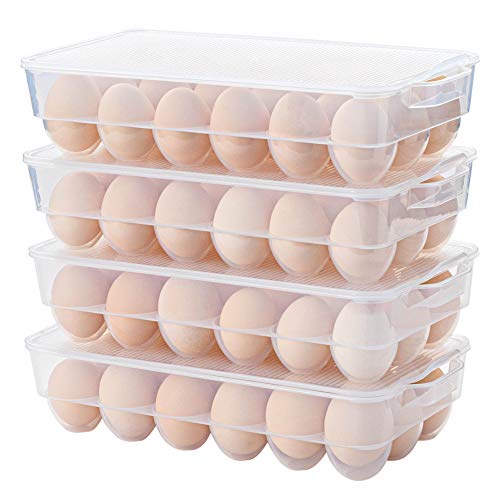
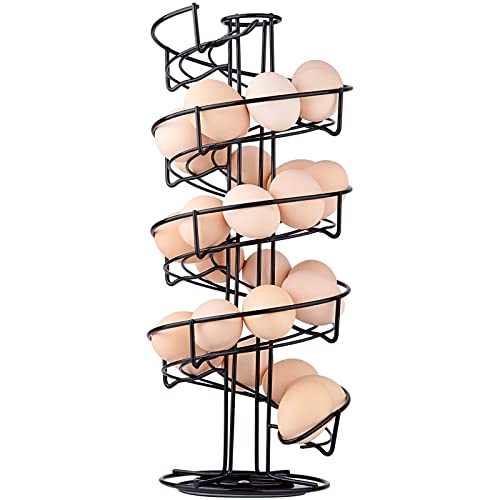
Egg Holder for Refrigerator, 2 Packs Egg Holder BPA Free Egg Storage Carrier Deviled Egg with Lid Egg Container for Refrigerator Egg Organizer Keep Fresh Egg Storage Container in Refrigerator Toresano Egg Holder for Refrigerator, THIPOTEN 60 Grid Eggs Storage Container for Refrigerator, Perfect Household Egg Organizer for a Hobby FarmClear Plastic Egg Holder for Refrigerator, Stackable Egg Storage Trays With Lid & Handles, Plastic Egg Box Carrier 4 Pack, BPA-Free Egg Storage Container for 18 EggsEgg Holder For Refrigerator – Auto Rolling Egg Organizer 3 Layer – Stacked Egg Tray Fridge Egg Storage Container – Hold 24 EggsToplife Spiral Design Metal Egg Skelter Dispenser Rack, Storage Display Rack, BlackRolling Egg Holder Dispenser,Refrigerator Automatically Rolling Egg Storage Container, 2 Tier Rolling Egg Dispenser, Space Saving Egg Tray For Refrigerator with 2 egg mold(1)



Some of the top breeds of LGDs for chickens include:
(please note this is not a fully complete list and there are several other LGD breed options. These are just the most popular ones.)
1. Great Pyrenees
The Great Pyrenees is one of the most popular LGD breeds, originating from the Pyrenees Mountains in France. They are known for their calm, gentle nature and ability to bond closely with both livestock and humans. This breed also has a thick double coat that helps them withstand cold and wet weather, making them ideal for more temperate climates.


2. Maremma Sheepdog
Originating from Italy, the Maremma Sheepdog has been used as an LGD for centuries in protecting sheep and other livestock. This breed is known for its independent and intelligent nature, making them quick learners when it comes to protecting their charges. They also have a thick white coat that helps them blend in with the animals they are guarding.
3. Anatolian Shepherd
The Anatolian Shepherd is a large, powerful breed originating from Turkey. They were specifically bred to protect against predators like wolves, which makes them an excellent choice for homesteaders dealing with larger threats. Despite their size and strength, these dogs are known for their calm demeanor and can form strong bonds with their charges.


4. Akbash
Similar to the Anatolian Shepherd, the Akbash is another Turkish breed used as a guardian dog for centuries. They are renowned for their bravery and fierce loyalty, making them excellent protectors for chickens and other livestock. They also have a unique white coat that helps them blend in with their charges and makes them easily identifiable to predators.
5. Komondor
The Komondor is a Hungarian breed originally used for guarding sheep. Their most distinguishable feature is their long, corded coat that resembles dreadlocks and acts as insulation from harsh weather conditions. This breed has an independent nature but can form close bonds with the animals they are protecting.
6. Karakachan
Originating from Bulgaria, the Karakachan is a lesser-known breed of LGD but has been used for centuries to guard livestock. They are known for their strength, agility, and intelligence, making them excellent protectors against predators. In fact, the Karakachan is one of only two LGD breeds in the world that was bred to be tough enough to take on bears and wolves.
Karakachans are fiercely loyal to their people and flocks and extremely tough. Our Karakachan can take on entire packs of stray dogs on her own and prance away at the end without a single scratch. Karakachans tend to be decently friendly towards people, especially people that have been invited onto the property. Karkachans tend to have longer double coats, making them good for cold and warm climates. This LGD breed comes in a large variety of colors and markings.
7. Kangal
The Kangal is a Turkish breed known for its courage, strength, and loyalty. Like the Karakachan, they were originally bred to protect livestock from threats like bears and wolves, making them an excellent choice for homesteaders in more rugged areas. Unlike the Karakachan, the Kangal is more leery of strangers, making them ideal for properties that don’t have a lot of human visitors. This breed has a short coat that requires minimal grooming and can easily adapt to different climates. They are also known for their intelligence, making them quick learners when it comes to guarding flocks.
8. Tibetan Mastiff
Originating from Tibet, the Tibetan Mastiff is a large and powerful breed that has been used for centuries to protect livestock. They are known for their calm yet protective nature, making them perfect for guarding chickens without posing a threat to them. This breed also adapts well to different climates and requires minimal grooming due to their thick double coat.
9. Caucasian Shepherd Dog
The Caucasian Shepherd Dog, also known as the Caucasian Ovcharka, is another strong and powerful LGD breed originating from Russia. They have a fierce loyalty towards their family and will do everything in their power to protect them from predators. However, this breed does require experienced handling, as they can be quite assertive and dominant if not properly trained
10. LGD Mixes
A lot of families chose to go with a mix of 2 or more LGD breeds. So long as every breed in the lineup (or at least the closest 3 generations) is a legitimate LGD breed, there is nothing wrong with an LGD mix. In fact, some LGD mixes can bring in the best of both worlds!


For example, we mixed our Great Pyrenees/Anatolian dog with our pure Karakachan and we ended up with some dogs that are tough as nails like their Karakachan mother but gentle and patient with all the children, like their Great Pyrenees/Anatolian father. These pups also came with their father’s willingness to obey their humans, unlike their mother who tends to have a mind of her own.
It’s important to note that while LGD mixes can have great traits from both breeds, they may also inherit undesirable traits as well. It’s essential to thoroughly research the individual breeds in the mix and choose carefully when considering an LGD mix for your homestead.
Choosing the Right Breed for Your Homestead
When it comes to choosing an LGD breed for your homestead, there are several factors you should consider. The most important is the type of livestock you have and the predators in your area. Some breeds, like the Karakachan and Kangal, are better suited for protecting against larger threats like bears and wolves. Other breeds, like the Maremma Sheepdog, are particularly known for integrating themselves into the flock so they are a lot less likely to wander off, leaving your flocks unprotected.
Additionally, you should also consider the climate and terrain of your homestead. Breeds like the Great Pyrenees, the Komondor, and the Tibetan Mastiff can handle colder climates with their thick coats, while breeds such as the Anatolian Shepherd and Akbash are better adapted to warmer temperatures.
It’s also crucial to take into account your experience level with LGD breeds. Some breeds, like the Caucasian Shepherd Dog and the Karakachan, require experienced handling due to their assertive nature. Great Pyrenees, Anatolian Shepherds, and Maremma Sheepdogs are known for being docile and willing to please, thus making them decently easy to train (compared to other, more challenging breeds at least)
Training LGD Puppies to Protect Chickens
Training an LGD puppy to protect chickens involves a series of steps that ensure the dog understands its role and responsibilities. Here’s how to get started:
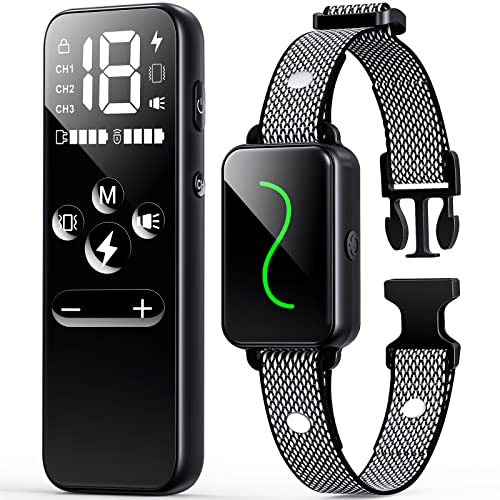
Vsezund Shock Collar, Training Collar with Remote for Small, Medium, Large Dogs with Vibration, Electric Shock, Beep, Security Lock, and WaterproofPACK OF 2 – Golden Rewards Duck Jerky Dog Treats, 32 oz
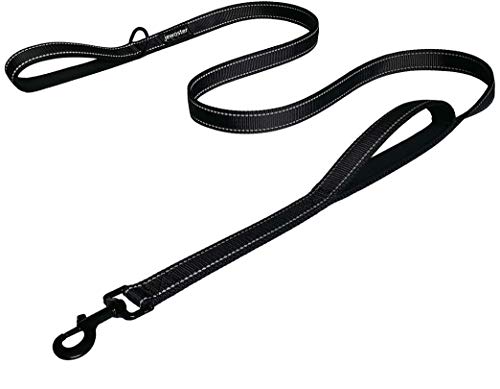
Heavy Duty Dog Leash – 2 Handles by Padded Traffic Handle for Extra Control, 6foot Long – Perfect for Medium to Large Dogs (6 ft, Black)
Cdyzqikm 4 Pack Puppy Toys for 2-8 Months Teething Pets Dog Chew Toy Puppies Teeth Cleaning Toy Food Dispensing Soft Rubber Bone Funny Ball Interactive Donut Treat Dumbbell for Small Medium Dogs Blue


Early Socialization
Introduce your LGD to your chickens at a young age. This helps the dog form a bond with the flock and understand that they are its charges. The very best LGDs come from farms where both their parents work with livestock and they (the pups) have been working around livestock since the day they were born, or at least since week 3 or 4.


When training your LGD to work appropriately with chickens, you need to be consistent from day one. Supervised interactions initially are crucial to ensure the dog doesn’t see the chickens as prey or plaything.
Positive Reinforcement
Use positive reinforcement techniques such as treats and praise to reward the dog for calm behavior around the chickens. This reinforces the idea that chickens are part of their family and not something to chase or harm.
Negative Reinforcement and Distraction
A lot of dog trainers choose not to use negative reinforcement with their dogs but so long as you are considerate and using negative reinforcement appropriately, we see nothing wrong with using this method in the proper situation.
For example, when our pups are first displaying negative behavior around chickens, we give them a gentle swat on the nose (more a distraction level swat than a pain level) and tell them no. We’ll also push them onto their backs, hold them down by their bellies, and tell them, “No, that’s mine!” It only takes a few interactions like these for the pups to get the idea.
This is no different than how a mother dog trains her pups. If you’ve ever seen a female with her puppies, you know how scary her behavior can be. A puppy can do something seemingly innocent and the mother will give a fierce growl and nip at the puppy. Oftentimes this ends in the puppy crying and wailing like they’re about to die. And then, not 2 minutes later, the puppy is up running around and playing like nothing ever happened. Nobody got hurt, this is just how dogs communicate with their young. If you’re going to raise young puppies or dogs, you will have an easier time if you understand how they think and how they view a pack. This is why there is nothing wrong with a little bit of (appropriate) negative reinforcement when training an LGD.
Distraction is used when a puppy knows what they are and are not supposed to do but gets caught up in their playtime and forgets to follow the rules. Some people have success with electric dog training collars. You can put them on the vibrate setting so you’re merely getting the dog’s attention when negative behavior begins.
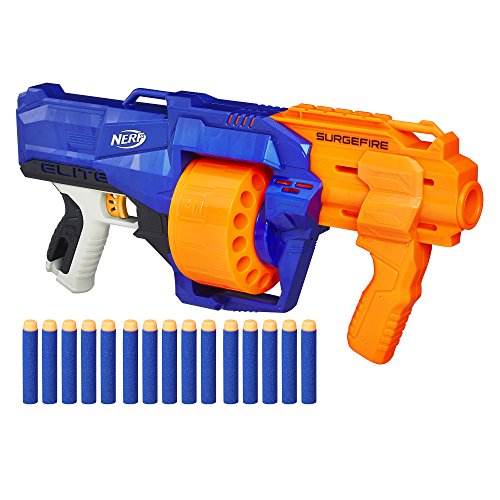
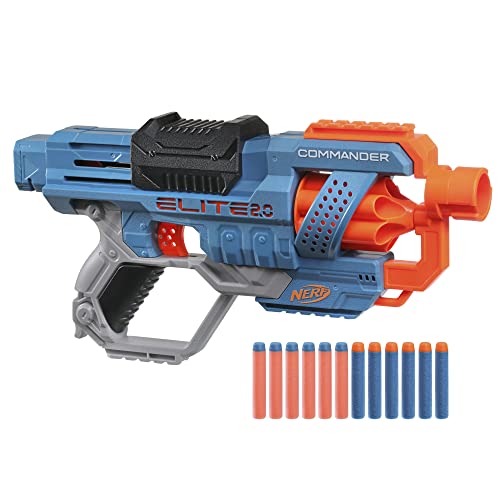
When we were training our new litter of LGD puppies, we would squirt the puppies with a water gun when they got too rough with the chickens. When that stopped working, we’d shoot them in the behind with a Nerf gun. This was a very effective training method. The pups had no idea what got them so they learned to behave all the time, not just when a human was around encouraging proper behavior. This also didn’t hurt the pups in the slightest so we could pop them again and again without any issues.
NERF SurgeFire Elite Blaster, 15-Dart Rotating Drum, Slam Fire, Includes 15 Official Nerf Elite Darts (Amazon Exclusive)Nerf Elite 2.0 Commander RD-6 Dart Blaster, 12 Elite Darts, 6-Dart Rotating Drum, Blasters, Kids Outdoor Toys for 8 Year Old Boys & Girls and Up
NERF Elite Junior Explorer Easy-Play Toy Foam Blaster, 8 Darts for Kids Outdoor Games, Ages 6 & Up
Pokiiulk Refill Darts Bullets Compatible with Nerf Guns N-Strike Elite Series, 300PCS Refill Darts Premium Foam Bullets Pack with Portable Storage Bucket


In a well-bred dog, a distracting behavior will break the dog’s train of thought allowing them to think more clearly about what they are and are not supposed to do. The key is to make corrections quickly before the dog has a chance to think they are in charge of the behavior.
Training Commands
Teach basic commands such as “leave it” and “come” so you can control the dog’s behavior around chickens when necessary. Most homesteaders and farmers also teach the “mine” command so they know what they are and are not allowed to mess with. These commands should be taught consistently and reinforced regularly.
Gradual Exposure
When your LGD puppy is old enough, start gradually exposing them to more freedom around the chickens. This can be done in a controlled environment with supervision and a leash to ensure the pup doesn’t get too rough with the birds. Increase their freedom as they show appropriate behavior and understanding of their role as protectors.
Consistency is Key
Above all, consistency is key when training an LGD puppy to protect chickens. It’s important to establish rules and boundaries from a young age and stick to them consistently. This helps the dog understand its role as a guardian and creates a stable environment for both the dog and the chickens. If you let your puppy get away with bad behavior once, you’ll have a harder time convincing them that they need to follow the rules later on.
Finding a Quality LGD
Finding a quality LGD requires due diligence. Here are some tips to help you find the right dog:
Reputable Breeders
Look for breeders with good reputations who specialize in LGDs. Ask for references and visit the breeder to see how the dogs are raised.
Personality
A good, experienced breeder will be able to identify a puppy’s personality from a very young age (we’re talking 4 weeks old). The breeder should be able to match a pup’s personality with the job you expect them to do.
The fact of the matter is most LGDs will be good at A job but not every LGD is good at ANY job. Some dogs will be natural leaders and will forever insist every dog in its pack must obey its every command while others will be natural followers and never want to take charge. Describe your homestead situation to your breeder and be sure they pick a puppy that will naturally fit into your chosen lifestyle.
Health and Temperament
Ensure the dog has a clean bill of health and a suitable temperament for guarding livestock. Aggressive or overly timid dogs are not ideal for this role.
Socialization and Exposure
Proper socialization is crucial for LGDs. They should be exposed to various homestead-friendly environments, people of varying ages, and livestock of varying breeds from a young age to ensure they are well-rounded and adaptable. Consider the animals that will be living on your homestead and find a puppy who was raised around those same animals.


Unlike pet puppies, you don’t want an LGD who has been brought all over town and taught to be friendly towards strangers, dogs, and other environments. You want a dog that has no interest in wandering or making friends with potential threats.
When Can an LGD Be Trusted Alone with Chickens?
Determining when an LGD can be trusted alone with chickens depends on the individual dog’s maturity and training. Generally, an LGD can be trusted after:
Consistent Positive Behavior
The best way to determine if your dog is able to be trusted alone with the chickens is by watching their behavior. When the dog can go several weeks without a negative incident while you are supervising, try leaving your dog alone with the chickens in a place where you can watch but the dog does not know you are watching. Once the dog behaves properly for several weeks while it thinksy you’re not around, then you will be able to trust your dog with the livestock. A good, trustworthy LGD will consistently show no interest in chasing or harming the chickens.
Maturity
Most LGDs mature around 2 years old. Many experienced farmers and homesteaders will tell you that you should never trust your dog alone with your chickens until they pass this stage. However, we have found that our well-bred, well-trained LGDs were trustworthy with the chickens from as young as 6 or 7 months old. Just keep an eye out for the dreaded teenager stage (about 9 months old) and nip any bad behavior in the bud immediately and you shouldn’t have any issues.
What Can LGDs Protect Chickens From?
LGDs can protect chickens from a wide range of predators, including:
- Foxes and Coyotes: These common predators pose a significant threat to chickens, but LGDs can effectively deter them.
- Raccoons and Opossums: Smaller predators that often target chicken coops at night.
- Hawks and Eagles: LGDs can help deter aerial predators by staying vigilant and present in the area.
LGDs can also protect chickens from stray dogs, cats, and other animals that may wander onto the property. However, it’s important to note that LGDs are not a replacement for proper coop security measures such as sturdy fencing and locking doors. Overall, LGDs provide an added layer of protection for your chickens and help keep them safe from potential threats.
Final Thoughts on Using LGDs to Protect Chickens
With proper training and socialization, LGDs can be a valuable asset to any homestead. So if you’re considering adding chickens to your farm or homestead, don’t forget to also consider the benefits of an LGD!
Keep in mind that each dog will have its own personality and individual strengths, so choose wisely and give them the tools they need to succeed in their role as guardians of the flock.
With patience, consistency, and proper training, your LGD will quickly become an essential part of your homestead family. Keep up the good work and happy homesteading!


Charlene has been dabbling in and learning about the homesteading lifestyle for almost 20 years. She recently started a real-world homestead with her extended family and is excited to share 20+ years of knowledge and experience with the world!
While she certainly doesn't know everything about homesteading and is learning more every day, she is excited to learn and grow along with YOU!
Charlene blogs about about homesteading at https://secretlifeofhomesteaders.com/.