
Are you looking for six easy ways to become a backyard homesteader, even when you have little space? Here at Secret Life of Homesteaders, we believe that anyone can do things to help them start a homestead and become more self-sufficient no matter their circumstances.


This article may contain affiliate links. Please see our disclosure policy for more details.
I would love to homestead, but I live in the city. How can I enjoy some of the benefits of homesteading?
Living in the city doesn’t mean you can’t have a “backyard homestead (AKA urban homesteading).” Even if you have a small lot or live in an apartment, there are ways to get creative and make the most of your space.
In this article, we’ll explore some tips and tricks on backyard farming for city dwellers who want some of the benefits of homesteading (without a ton of land!).
Depending on your circumstances, you may be able to gain more self-sufficiency through gardening, raising small animals, collecting water in rain barrels, composting, preserving food, and/or having back-up energy.
1. Grow a garden, however small it may be.
You can grow a garden with very little space.
What kind of garden is right for me?
Gardening is an essential practice for budget-minded homesteaders who want to become more self-sufficient and add variety to their diet. Grow as much food as is feasible for your circumstances, whether you have a good-sized yard or no yard.
With proper care and a well-designed area, you can have vegetable gardens that provide your family with fresh fruits, vegetables, and herbs with minimal space and budget requirements. Start with what you and your family like to eat or cook with.

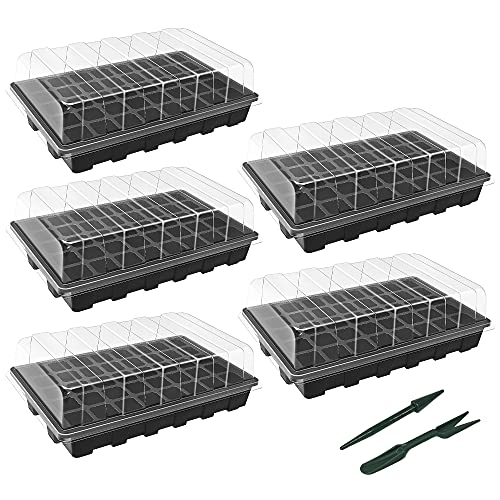


Gardens come in many sizes and shapes. Look at the space you have and get creative with it. You could have the traditional square or rectangle garden plot or maybe you have a three-foot edge area around the outside of your lawn.
Perhaps your garden is throughout your landscaping with vegetables grown in areas sectioned off with edging. You can choose to plant dwarf or semi-dwarf fruit or nut trees, berry bushes or grape vines on trellises that will enhance the beauty of your yard.
While gardening gives you the opportunity to get in touch with nature, it can also be physically challenging. Maybe your garden needs to be in raised beds that you can reach easier. These can range from elaborate boxes to simple hay or straw bales.


What if I have no yard to put in a garden because I live in an apartment, townhome or I’m renting a home?
The next best thing to cultivating plants in the ground is to grow them in pots. With the right container and soil, you can produce an abundance of fruits, vegetables, herbs and flowers in even the smallest space.
Herbs, such as thyme, oregano, basil, mint, and parsley flourish well on a windowsill. Many plants, such as beets, onions, radishes, greens, cauliflower, broccoli, and cabbage, grow well in large containers on your patio or balcony. Dwarf fruit trees can also be planted in large containers.
Vegetables and fruit with vines or small fruit, such as small to medium varieties of tomatoes, strawberries, hot peppers, dwarf varieties of cucumbers, zucchini, peas, beans, and lettuce, produce well in hanging baskets.
2. Raise small animals
With proper care, raising animals will not only add variety to your diet but also help you save money and become more self-sufficient by providing natural fertilizer for your garden or lawn from their waste.


Will raising small animals be beneficial for me?
Many neighborhoods allow homeowners to have small farm animals, such as chickens and rabbits. Some communities with small acreage lots allow medium to large farm animals, such as goats, sheep, and cows.
The obvious advantage to having backyard chickens are fresh eggs and meat. If they have the run of your yard, chickens are also exceptional at pest control, such as insects and mice.
Read also – When Do Chickens Get Their Feathers?
Chickens will also consume most of your food waste. So instead of throwing away your vegetable ends, chicken bones, and uneaten leftovers, your chickens think they are treats.



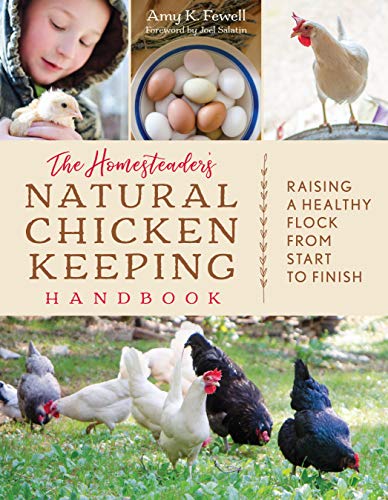
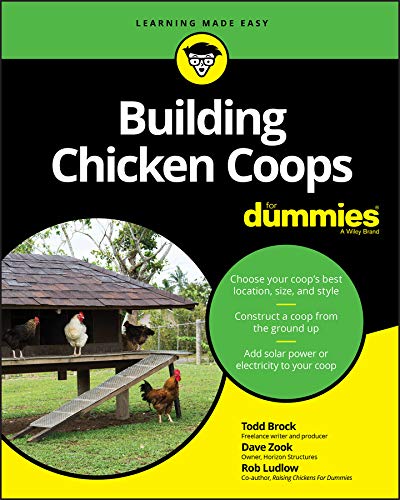
Rabbits are quiet, small and require minimal space. They need a hutch that is safe from predators, protects from weather, and has enough space for exercise. They may even be allowed in apartments where pets are allowed.
Rabbits grow quickly and are very prolific. Their meat is white and can be substituted for chicken in many recipes. They eat a variety of plants, require very little labor and their manure is garden ready.
We often think of goats for milk and sheep for wool, but depending on growing season and the breeds they both produce milk, meat and coats that produce wool, cashmere, or fiber to spin into yarn.
3. Set up rain barrels.
Rain barrels are an easy and free way to collect water for later use.
What can I do to have a back-up water source or to lower the costs of watering my yard or garden?
Rain barrels collect runoff caught from your home’s downspouts. They provide an incredibly efficient and cost-effective way to collect and store rainwater, minimize flooding and soil erosion, and reduce the amount of water that flows off your property.


Rain water is great for using to water indoor and outdoor plants, wash cars, clean driveways and patios, and mop floors. It can also be used to flush toilets on those occasions when municipal water sources are not unavailable.
SAFETY NOTE: Because of possible bacteria and other contaminants, it is best to not use your rain barrel water for anything related to bathing, drinking, cooking, or washing dishes or surfaces that come in contact with food. Unless you plan on filtering and purifying your water thoroughly, that is.
4. Compost your food scraps.
Composting is a great way to make use of your food scraps and yard waste, instead of merely discarding them.


Is composting right for my circumstances?
Composting helps break down organic materials such as food scraps and yard waste into a nutrient-rich organic matter, natural fertilizer and soil amendment, saving money on expensive chemical fertilizers.
It helps to restore nutrients back into the soil and improves its structure, resulting in better water retention and improved drainage for gardens, lawns and potted plants.
Composting can be done in your backyard garden in a variety of ways depending on the size and type of materials you are composting, from using simple bins or tumblers to large-scale worm farms or aerobic composters.
5. Preserve food
There are several incredibly rewarding ways to preserve food that can ensure the quality of your meals, provide a healthier alternative to store-bought canned and packaged goods, and allow you to enjoy your favorite foods all year long without breaking the bank.
If your garden is small or nonexistent so you lack homegrown food, you may need to shop at farmer’s markets or find really good sales on fresh fruits, vegetables, meat, poultry, or seafoods at your local supermarket to make preserving worth the effort.


Is canning food difficult?
With just a few simple tools and ingredients, anyone can learn how to safely home-can, making food available year-round at a fraction of the cost.
You can bottle your favorite foods using a few simple tools and some basic knowledge. After you have purchased the original supply of bottles, the cost is minimal because they are reused year after year so long as they are in good condition.


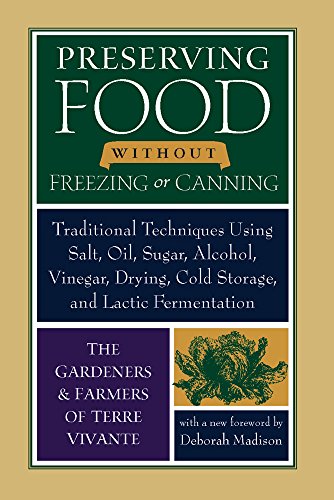


High-acid foods, such as fruits, tomatoes, jams and jellies, sauces, salsas, and pickles are safely done using water bath canning techniques. Low-acid foods, such as vegetables, meats, poultry and seafood require a pressure canner to keep the food safe from botulism.
Once your food has been properly sealed in bottles, it retains its quality on your shelves for 12 – 18 months.
What are some other ways to preserve food?
Freezing is another popular way to preserve your favorite foods. It helps keep nutrients intact while preventing spoilage. You can easily store your favorite fruits, vegetables, proteins and sauces in the freezer until ready to use.
The downside to storing food in freezers comes when the freezer breaks or the electricity is out for several days. Most other ways of preserving food are shelf stable, such as dehydrating, freeze-drying, pickling, vacuum sealing, and fermenting.
6. Have a backup source of energy
Back-up sources of energy may be life-saving when the power goes out.


What can I do to prepare for power outages?
Backup energy comes in many forms and sizes. You may only need enough power to run your refrigerator and freezer and charge your phones. Or you may be looking to flip a switch so that when the grid goes down, your house is still running, even if it’s on a limited basis.
There are many types of backup power, such as generators, solar panels, solar tubes, and wind turbines. To make any of those viable, you will also need to store fuel (natural gas, gasoline, propane, diesel) or large storage batteries.
Your “Backyard Homestead” is on its way
Just because you live in the city doesn’t mean you can’t benefit from doing some of the things in your own backyard that homesteaders do. Get creative with your space and resources. Becoming more self-sufficient should be done a little bit at a time.
Dedicate a specific amount of time each week and budget for your set-up money. If you want help to set up a schedule, see our Homestead Daily Schedule. You will be amazed as you watch the results accumulate to make the most of your “backyard homestead.”

I started life on an 80-acre homestead in Alaska where my sisters and I learned gardening, sewing, and how to follow recipes from my mother. My mother-in-law increased my cooking abilities, taught me how to can, and how to live on a tight budget. I used these skills to make ends meet while raising six children. I put my college education on hold until my youngest was grown and then, as a grandmother, received my Bachelor’s Degree, crossing the stage with one of my sons. After living on every size acreage from apartments and small city lots to several acres and currently back on a 47-acre homestead, I have come to realize that homesteading is really about the mindset of becoming as self-sufficient as possible, or at least knowing how to do so. I look forward to carrying on this legacy with my thirteen grandchildren and my readers.
Cindy@CountyRoad407
Thursday 9th of March 2023
I love each and every tip! Thank you for sharing this with us on Farmhouse Friday. I'll be featuring your post tomorrow. Hope you link up again soon. pinned!