
When learning how to take care of chickens, you might have wondered will chickens eat hay – especially if you already have hay available on your homestead.
Raising chickens is a rewarding experience that can provide you and your family with fresh eggs every day. But just like any other animal, chickens need the right food to stay healthy and happy.


One of the most common questions for chicken owners is whether or not their birds will eat hay – and the answer might surprise you! In this article, we’ll discuss why you actually might want to consider including hay in your chickens’ lives.
This article may contain affiliate links. Please see our disclosure policy for more details.
Can Chickens Eat Hay?
Many popular homesteading animals, including but not limited to rabbits, sheep, cows, goats, horses, and so on, love and thrive on hay. It only makes sense that backyard chicken owners would want to feed their birds something they already have on hand.
The question of whether or not chickens can eat hay often comes up on homesteads where hay is readily available. The short answer is yes and no, but mostly no.


If your hay has gone to seed and has seeds and grains hiding inside of the stalks, your chickens will enjoy scratching and searching for these delicious and nutritious tidbits. The bulk of your hay, however, will not be good eating for your backyard birds.
While chickens are indeed omnivores and thrive on fruits, veggies, and grains, they are not grazing animals like sheep and rabbits. As such, hay is not a great food source for them. This includes alfalfa hay, timothy hay, and other hay varieties.
It is best to stick to other food sources when it comes to feeding your flock of chickens.
More Resources For Feeding Chickens On A Budget
Looking to feed your chickens on a budget? Check out these other resources!

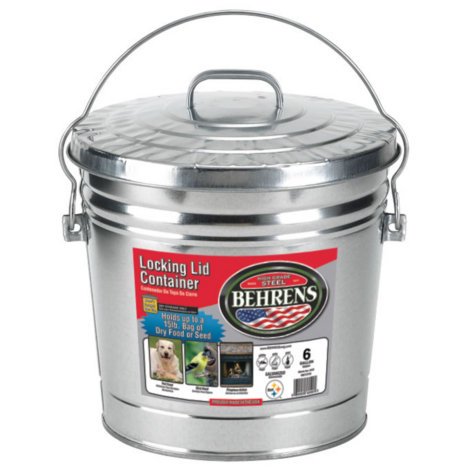
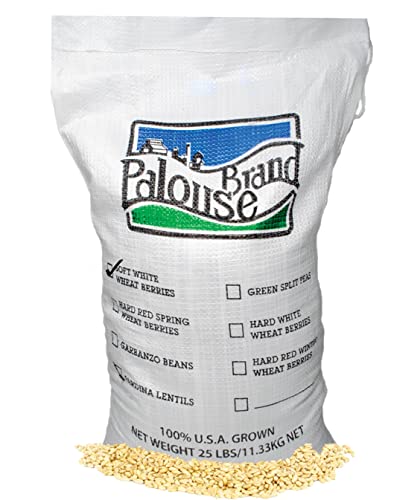


- Simple Homemade Chicken Feed Recipes
- Will Chickens Eat Cracked Corn?
- Can Chickens Eat Dog Food?
- Emergency Chicken Feed Ingredients and Tricks
Why Should I Put Hay In My Chicken Coop?
If chickens don’t eat hay, you might be wondering why homesteaders and backyard chicken owners all over the world recommend using hay in the chicken coop. Why do chicken keepers claim hay is great for chickens if the birds don’t actually eat the hay?


The main reason you should consider putting hay in your chicken coop is because it makes fantastic bedding material (especially if you utilize the deep litter method).
Like pine shavings, hay is absorbant and keeps the coop clean, dry, and odor-free. However, because of the makeup and consistency of hay, it also makes a great hiding place for critters your chickens like to eat – namely bugs and mice!
If you don’t want to attract free food in the form of insects and mice to your chicken coop, I would recommend staying far far away from hay.


However, if you do enjoy feeding your chickens free high-protein treats, putting a thick layer of hay in the bottom of your chicken coop and chicken run will allow bugs and mice to make their homes – for the short time they can stay hidden from your hungry, scratching birds anyway.
This is why hay and straw make such a popular chicken coop bedding in farms and homesteads. Who doesn’t love an inexpensive way to supplement chicken feed?
Anyone who knows anything about chicken keeping knows that if there is food anywhere in the vicinity of the coop or run, those chickens are guaranteed to find it in short order.
And since hay suitable for mouse and grasshoppers is easy to forage and scratch through, those pesky critters are sure to be found and consumed in no time flat!
Related – The Best Mouse Traps For The Homestead
Free ranging laying hens especially will go crazy for the stray mouse or grasshopper.


Just be sure to include a place in your chicken run for birds to dust bathe and keep those mites down. Because unfortunately, mites also love to hide inside of hay.
A good-sized pile of dirt or sand, particularly if it is mixed with a little bit of diatomaceous earth, will keep external parasites down without sacrificing your birds’ balanced diet.
And as an added bonus, hay and straw make a wonderful place for laying hens to build their nests and lay their eggs.


Free range chickens usually have plenty of access to insects and other critters, but most chickens will happily take any extra protein source they can find.
There is certainly no harm in attracting those tasty treats to your chicken runs any chance you get! Even chickens love and enjoy hay scratching and digging.
And when you’re done and ready to clean out the chickens hay from the coop, the hay combined with chickens poop will make a great mulch for your garden.
Read Also – Companion Planting Guide For Vegetable Gardens
Should Chickens Have Access To Straw Or Hay?
Is it better to include hay or straw in your chicken coop? Since your chickens will not be eating the hay or the straw and instead will merely be digging and scratching around for hidden treats, it doesn’t really matter which one you include in your chicken coop.
So feel free to include whatever is easiest and least expensive for you to get ahold of!


Whether that’s random straw bales leftover from a neighboring farm, piles of loose hay from your own hay fields, or a hay bale or two leftover from last season’s animal feed, the choice is yours!
Mice and bugs will not discriminate. They will happily make their homes (and their graves) inside of both straw and hay.


If you don’t have access to hay or straw but instead have fresh grass cuttings from mowing your lawn, this will work just as well!
Just empty your lawn mower bag into your chicken run and your chickens will happily forage and scratch around in the grass as well. It will be a long time before they lose interest in this activity.


Charlene has been dabbling in and learning about the homesteading lifestyle for almost 20 years. She recently started a real-world homestead with her extended family and is excited to share 20+ years of knowledge and experience with the world!
While she certainly doesn't know everything about homesteading and is learning more every day, she is excited to learn and grow along with YOU!
Charlene blogs about about homesteading at https://secretlifeofhomesteaders.com/.