
Whether you are learning how to take care of chickens or you are researching simple homemade chicken feed recipes, it’s always a good idea to know what ingredients are in chicken feed.
When it comes to caring for chickens, understanding the dietary needs of your birds is essential.


Knowing what types of ingredients are appropriate for chicken feed can make all the difference in the health and well-being of your feathered friends.
One of the first things you’ll need to know when starting to raise chickens is what to feed them. While there are many commercial chicken feeds available, it’s also possible to make your own chicken feed using basic ingredients.
In this article, we’ll take a look at some of the most common ingredients found in chicken food. Whether you’re buying pre-made feed or mixing your own, understanding what goes into chicken food will help you keep your flock healthy and happy. So let’s get started!
This article may contain affiliate links. Please see our disclosure policy for more details.
What Ingredients Are In Commercial Chicken Feed?
A good chicken feed is essential for the health and vitality of chickens, and it should be specially formulated to meet the unique needs of farmyard birds. When it comes to commercial chicken feed, it’s important to know exactly what you’re putting into your flock’s diet.
Most commercial feeds consist of a blend of grains such as corn, soybeans, wheat, calcium, and protein. Many commercial chicken feeds also include ingredients such as skimmed milk powder and vegetable fats and oils.
Read Also – Can Chickens Eat Whole Wheat?


Of course, calcium from limestone must be included in the mixture, which helps feather growth and eggshell strength.
Every chicken feed label should also include things like vitamins A, D3 and E for added nutrition for birds’ development and health. Mineral sources like salt, phosphorous and zinc should also be part of their complete diet!



Understanding the various ingredients that go into each blend will help you provide your chickens with the optimal nutritional foundation for a healthy flock that produces plenty of eggs!
Not only do all these ingredients provide much-needed nutrition to chickens of any age, but they also contribute to myriad bodily processes related to growth and development.

Additionally, calcium helps keep egg shells strong and healthy whilst providing further vitamins and minerals that help keep your flock happy and productive.
What Ingredients Should I Include In My Homemade Chicken Feed?
When it comes to feeding my chickens, I always want to make sure that I’m giving the best of the best.
Creating homemade chicken food is an excellent way to take charge of what your chickens are eating, while maximizing nutrition and flavor.


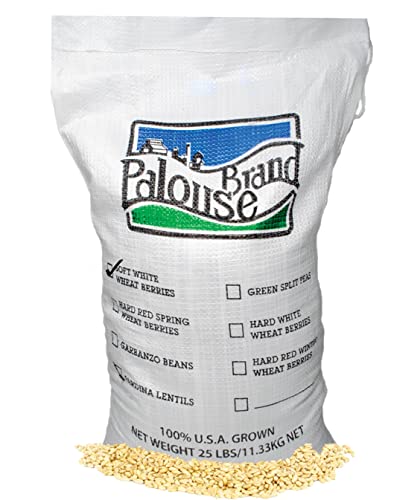
Basic recipes should contain a grain such as cracked corn, barley, or whole wheat, which provides energy from carbohydrates. Additionally, it’s best to include protein sources such as oats, beans, or lentils.
When making your own homemade feed for chickens, protein should be at the top of your shopping list. Look for high-protein grains such as dried peas and corn as well as fish meal or beef meal.
Read Also – Can Chickens Eat Split Peas?
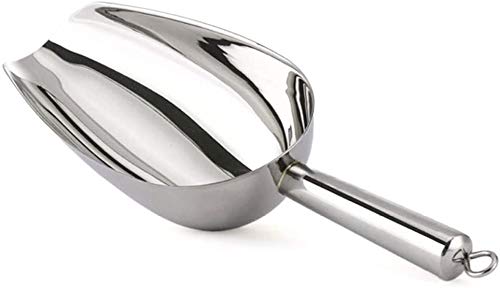
Finally, if you have laying hens, you will need to include a good source of calcium, such as oyster shells or crushed up egg shells. Plus, adding in some alfalfa hay or leafy greens will help supplement their diet with some nutritious vitamins.


The right combination of these ingredients will give your feathered friends all the nutrition they need. With these ingredients in hand, you can become a backyard chef with confidence that you’re providing your feathered friends with a balanced diet!
Should I Feed My Chickens Kitchen Scraps?
Chicken owners often ask what the best ingredients are for their flock’s dietary needs, and it may surprise them to learn that it isn’t just commercial feed and poultry pellets.
Some modern-day homesteaders also include homemade ingredients like kitchen scraps like vegetable peels and crushed eggshells.


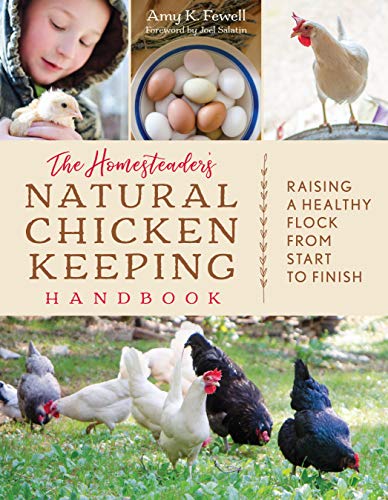

Feeding your chickens kitchen scraps is a great way to supplement their diet, all while helping you reduce waste. Most scraps that you would normally throw away can be fed – such as vegetable trimmings and other fruit and veg leftovers, as well as eggshells, oatmeal, pasta and crusts of bread.
Additionally, kitchen scraps provide additional nutrients that regular chicken feed may lack, making your flock healthier and happier.


Of course, caution should still be taken – ensure the food leftovers are not spoiling and only give them in moderation to avoid negatively impacting their diet. And be sure to limit the sweets!
Feeding chickens with kitchen scraps is a win/win situation: you’ll save on feed costs while bringing smiles to your feathered friends!
Make Sure Chickens Have Access To Fresh Water At All Times
Taking proper care of chickens is essential for their health and well-being. Just like any other living creature, chickens must have access to fresh water in order to maintain a healthy lifestyle.
By having access to clean water, chickens can stay hydrated and have plenty of energy to keep up with the daily tasks of running around, socializing, and eating. Keeping chickens hydrated also helps avoid health issues such as feather loss, difficulty breathing, and digestive problems.


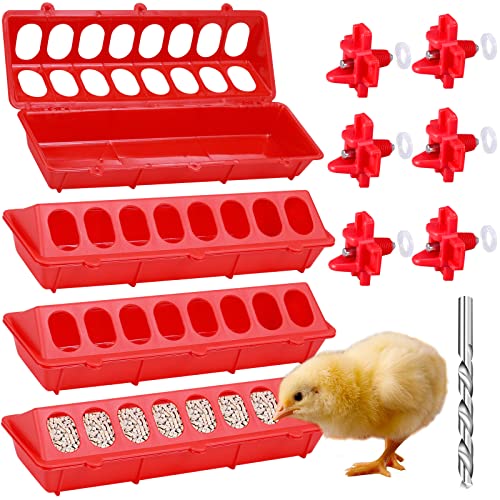
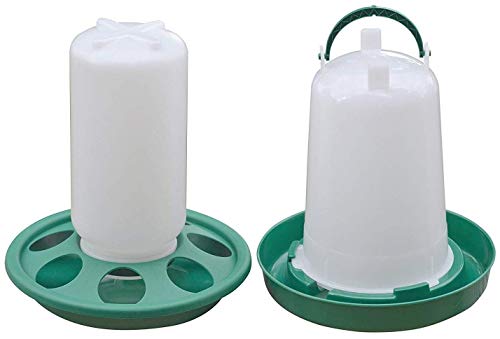
Of course, this also helps keep a steady supply of delicious and nutritious eggs! If you’re experiencing a drop in egg supply, particularly during the summer months, your water supply is typically the first thing to look into.
Hydration is key to a healthy flock, and when it comes to chicken feed, water is a crucial ingredient. The importance of fresh water cannot be overstated, especially when it comes to chickens since they need a steady supply 24/7.
Should I Give My Chickens Grit?
Many backyard chickens are fed a commercial feed, which typically includes a mixture of grains as well as vitamins and minerals.
While these feeds should provide essential nutrition for your chickens, there is one thing it lacks – grit. Grit is an important component of a chicken’s diet since it helps them to digest food.

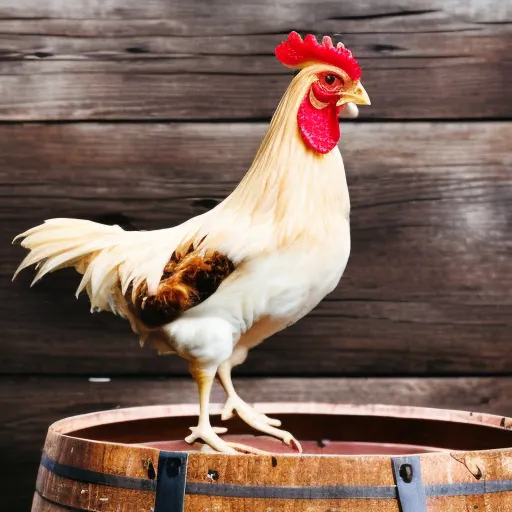
Whether you’re a novice chicken keeper or an experienced farmer, grit is an important supplement to keep your birds happy and healthy.
Grit is basically tiny rocks – usually small-sized pieces of sand, limestone, and other natural minerals – that help chickens digest their food since they don’t have teeth. It might seem strange that you’d feed your birds stones, but trust me – it makes all the difference in their diet!
The good news is if your chickens have access to a dust-bathing area or a backyard that includes dirt and rocks, they already have plenty of access to grit.
Generally speaking, chickens can find enough grit on their own if they live outside in the wild, but if you’ve got them cooped up in a barn or backyard then you should definitely provide access to some kind of commercial poultry grit.
It’s worth the extra effort and cost to keep your feathered friends healthy and pecking away at life.
The Benefits of Feeding Your Chickens the Right Ingredients
Just like humans, chickens need a balanced diet to stay healthy and happy. Most commercial chicken feeds contain a variety of grains, including corn, soybeans, and wheat.
If you’re looking to make your own homemade chicken feed, a basic mix typically includes cracked corn, oats, and barley. Some chicken owners also add in kitchen scraps, such as vegetable peels and eggshells.
Read Also – What Does Cracked Corn Do For Chickens?

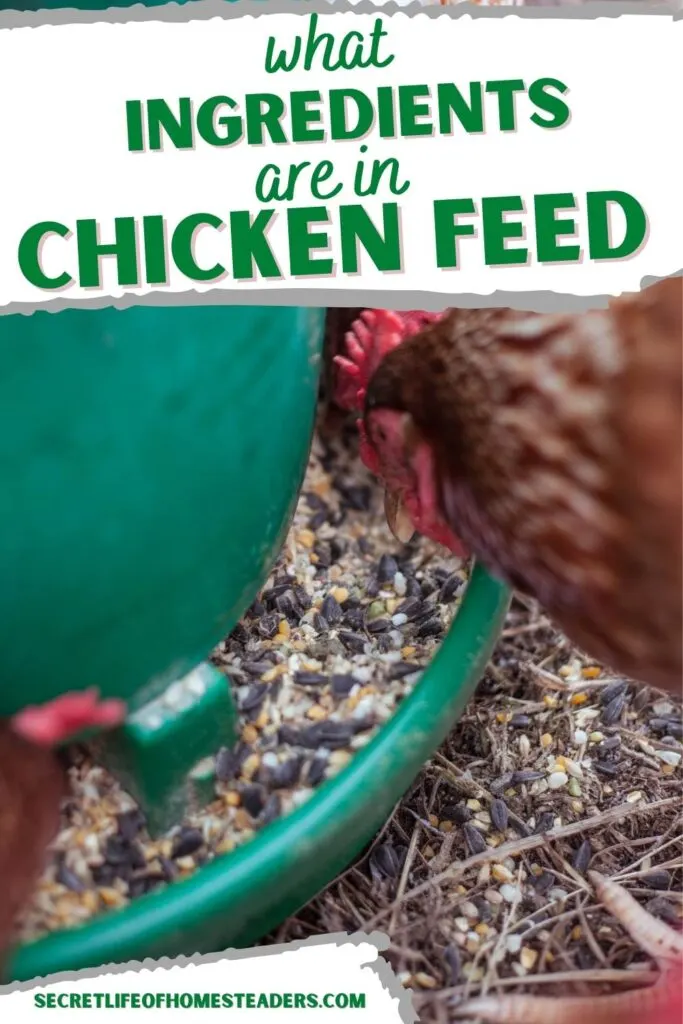
In addition to having access to fresh water at all times, it’s important to supplement your chicken’s diet with grit. This helps them digest their food properly. Learning how to care for chickens doesn’t have to be complicated – just follow these simple tips and you’ll be on your way!
To learn more about taking care of chickens, be sure to check out our other blog posts!
More Resources On Taking Care of Chickens


Charlene has been dabbling in and learning about the homesteading lifestyle for almost 20 years. She recently started a real-world homestead with her extended family and is excited to share 20+ years of knowledge and experience with the world!
While she certainly doesn't know everything about homesteading and is learning more every day, she is excited to learn and grow along with YOU!
Charlene blogs about about homesteading at https://secretlifeofhomesteaders.com/.