
This recipe for homemade chicken layer feed is one of the best recipes in my collection of simple homemade chicken feed recipes.
Making your own homemade chicken layer feed is a great way to get all the nutrients your chickens need without having to buy commercial chicken feed.
There are a variety of recipes you can use to make your own layer feed, and you can tailor the ingredients to meet the specific needs of your flock.


For example, if you have chickens that are prone to respiratory infections, you can add garlic or horseradish to their feed.
If you have chickens that are molting, you can add extra protein to their diet.
By making your own layer feed, you can be sure that your chickens are getting exactly what they need to stay healthy and happy.
This article may contain affiliate links. Please see our disclosure policy for more details.
Tips For Making Your Own Homemade Chicken Layer Feed
Knowing how to make homemade chicken layer feed is an integral part of knowing how to take care of chickens.
When you have egg-producing chickens, what you feed them will determine how the eggs turn out. This means chickens require a well-balanced diet that includes amino acids, protein, carbohydrates, healthy fats, minerals and vitamins. So, making the feed yourself is an excellent way to ensure this.
Follow these homemade chicken layer feed suggestions to provide the best and highest amounts of nutrition to your flock. This will include things like millet, oats, corn, barley and fish meal, among a host of others. These are optimal ingredients to encourage, develop and harvest delicious eggs.
However, you should rely on the specific nutrition needs of the particular kinds of chickens you have. Some chickens require higher amounts of protein while others will need massive amounts of calcium. All of this will contribute to chickens being able to lay eggs repeatedly for years to come.
Include Protein And Calcium In Your Homemade Chicken Layer Feed
In order for your chickens to produce plump eggs with a golden yolk, protein and calcium will be your topmost concerns. These will come from a variety of grains, vegetables, and seeds.
The following foods are best for chickens in this regard:
- Wheat (protein)
- Peas (protein)
- Oats (protein and calcium)
- Black Oil Sunflower Seeds (protein)
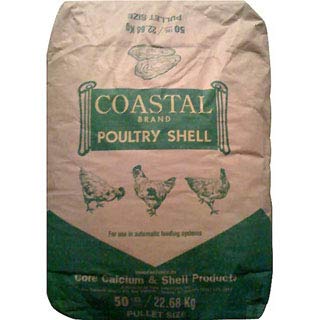
- Oyster Shells (calcium)
- Crushed Egg Shells (calcium)
- Fish Meal (calcium and protein)




See also:
- Can Chickens Eat Rolled Oats?
- Whole Wheat for Chickens
- Can Chickens Eat Split Peas?
- Can Chicken Eat Kelp Meal?
Other Nutrients To Include In Your Homemade Layer Feed
Another consideration in the blend you make for your flock is the incorporation of things like amino acids, fat, minerals, fiber, and vitamins. Some of the foods listed above do offer these.
For instance, oats not only provide protein and calcium, but also iron, vitamin B complex and fiber. Black Oil Sunflower Seeds are chock full of protein yet they also boost the eggs’ nutrition and increase egg production overall.
Still, you will want to consider add other things to ensure nutritional content with foods like:
- Corn (starch, protein, fat, and fiber)
- Millet (fiber)
- Barley (fiber, but difficult for chickens to digest)
- Kelp (omega fatty acids, amino acids, and minerals – gives egg yolks their beautiful golden color)
- Cherry Pits (vitamins and minerals)
Please note these ingredients are optional, especially if you free range your backyard birds.
Other ingredients you may want to add to your homemade chicken feed are things such as supplements, antibiotics, and measures for pest control.
There are calcium and amino acid supplements you can sprinkle in with the batch to help boost egg production.


You may want to add a little garlic powder or fresh dried oregano as a means to administer a natural antibiotic. What’s great about either of these is that they help boost immunity as well.
Additionally, it’s a good idea to include a little diatomaceous earth to ensure insects and other pests don’t infest your feed.
Obtaining Bulk Ingredients
Depending on how many chickens you have and your purposes for creating your own chicken feed, you may want to find a bulk supplier that offers the best prices. Some farm supply stores, pet stores and similar places sell these ingredients individually with wonderful discounts.
However, you may be able to find these at places like Costco, Wal-Mart, or Winco. If you have the room and capability, you could even grow some of the ingredients yourself.
My favorite place to obtain bulk ingredients for homemade layer feed is Amazon. They ship for free and I can compare multiple brands and sizing options and get the best bang for my buck.
Homemade Chicken Layer Feed Recipe
The breed, age, and size of your chickens will determine how you should mix your batch of homemade feed. However, consider the recipe below and change or adjust anything you feel is necessary.
The following recipe makes 43 lbs and contains about 18% protein and 3% crude fat.
Items You’ll Need
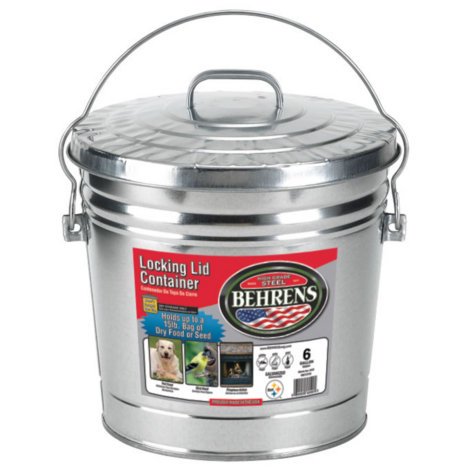
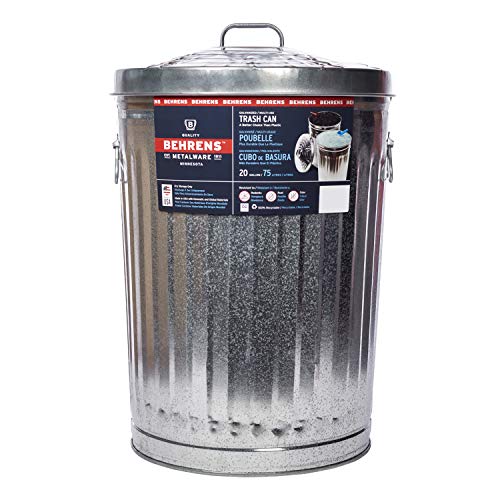
- Large Tub with an Airtight Lid (capable of holding up to 50 lbs – the extra space provides mixing room. We like using galvanized steel buckets with lids held down by bungee cords.)
- Scale (optional – feel free to eyeball things)
- Measuring Cups
- Large Wooden Stick or Small Scoop (ensure it’s clean and sterile)
Ingredients
- 10 lbs Corn
- 8 lbs Wheat
- 7 lbs Millet or Rye
- 6 lbs Oats
- 3 lbs Barley
- 3 lbs Fish Meal
- 2 lbs Black Oil Sunflower Seeds
- 2 Cups Kelp (dried)
- ½ Cup Flaxseeds
- ½ Cup Oregano (dried)
- ½ Cup Garlic Powder
- ½ Cup Diatomaceous Earth
- ½ Cup Oyster Shells (crushed)
- ½ Cup Mineral Salt
Instructions
- Mix all the ingredients together in the large tub with your stick until well blended and cover tightly.
- You will want to feed about ½ cup of this per chicken daily.
Some Necessary Precautions
Before mixing the feed, ensure all tools are clean and sterile. This includes the scoop, lid, and storage bin. Wash with soap and water then dry them thoroughly. Wipe down everything with 91% isopropyl alcohol on a microfiber towel. Let this air dry for several hours and then make the feed.
Making homemade chicken layer feed is rather simple. You just want to keep your specific chickens in mind as well as the time of year when blending the recipe suggested above.


During the winter months when birds aren’t laying, they will need more carbohydrates and protein. During the spring or fall when birds are molting, be sure to increase their protein but also include calcium. And during the heat of the summer when laying is at its peak, give extra amounts of calcium for the strongest egg shells.


Charlene has been dabbling in and learning about the homesteading lifestyle for almost 20 years. She recently started a real-world homestead with her extended family and is excited to share 20+ years of knowledge and experience with the world!
While she certainly doesn't know everything about homesteading and is learning more every day, she is excited to learn and grow along with YOU!
Charlene blogs about about homesteading at https://secretlifeofhomesteaders.com/.