
This free homestead daily schedule PDF is a great addition to your collection of free homestead binder printables. After all, having a good daily schedule is important.
There’s no one way to do things when it comes to homesteading. Every person has their own unique set of skills and abilities, and there are countless ways to approach homesteading.


However, there are a few basic things that all successful homesteaders have in common. In this article, we’ll walk you through an example of a typical day in the life of a homesteader.
This article may contain affiliate links. Please see our disclosure policy for more details.
Time Management Skills for the Homesteader
As a homesteader, it is crucial that you have good time management skills. It can be easy to underestimate the time and effort required to grow your own food, raise livestock, mend fences, and perform all of the other chores necessary to maintain a successful homestead.
Managing your time effectively can help ensure that these tasks are completed in an efficient and timely manner.
Some key tips for effective time management include prioritizing your to-do list, setting realistic goals and deadlines, breaking larger projects down into smaller tasks, taking regular breaks to clear your mind, and enlisting the help of friends and family when needed.


By putting these strategies into practice on a daily basis, you can ensure that your life as a homesteader is both productive and enjoyable. With these successful skills under your belt, you’ll be able to get more done while still maintaining balance in your life.
So whether you’re new to the homesteading lifestyle or have been at it for years, don’t underestimate the power of good time management skills. They could be the key to achieving all of your goals on the homestead.
Make A Plan
The first step to creating a homestead daily schedule is to sit down and make a plan. What are your goals for the day? For the week?
What needs to be done in order to achieve those goals?
Write everything down so that you have a clear idea of what needs to be accomplished. Once you have your list of tasks, you can start to create a schedule or a daily routine



Block out time for each task on your list, and be sure to include regular breaks throughout the day.
Are you a morning person? Set your alarm and be ready to make the best of your morning. Not a morning person? It’s okay to sleep a bit later so long as you still have a plan to get everything done in a timely manner.
Remember, this is your homestead and you get to decide how to use your time. So if you need to adjust your schedule as you go, don’t hesitate to do so. The important thing is that you have a plan to keep you on track.
Know Your Current Priorities
As a homesteader, it’s important to know your priorities. What are the most important tasks that need to be completed each day?
For some people, this may mean spending time in the garden. For others, it may mean taking care of the animals.
Keep in mind priorities can change based on season, weather, current projects and goals, and even your mood. Priorities can also change at the drop of a hat if something urgent comes up such as a sick or injured animals or a damaged fence or piece of equipment.


When you know your current priorities, it will be easier for you to manage your time. Having a clear vision of what needs to be done will help you stay on task and keep you moving forward and being productive.
Whatever your priorities are, make sure that you give yourself enough time to accomplish them. And if you find that you’re constantly behind, take a step back and reassess your priorities.
It’s okay to change your priorities as needed. In fact, it’s probably inevitable that they will change from day to day. Just be sure to stay flexible and go with the flow as much as possible.
Use Your Resources Wisely
Another key tip for managing a successful schedule on your homestead using your resources wisely. This includes things like enlisting the help of family and friends, taking advantage of technology, and using your time wisely.
One way to use your resources wisely is to delegate tasks. If you have a family member or friend who is willing to help out, put them to work! This will free up some of your time so that you can focus on other tasks.
Another way to use your resources wisely is to take advantage of technology. There are a number of apps and online tools that can help you stay organized and on track.


For example, there are task management apps that allow you to create to-do lists, set reminders, and even share your list with others. There are also online calendar tools that can help you keep track of events and appointments.
Finally, one of the best ways to use your resources wisely is to simply use your time wisely. This means learning how to focus on one task at a time and not letting yourself get distracted.
It also means taking regular breaks, setting aside time for relaxation and leisure, and knowing when to call it a day.
By using your resources wisely, you’ll be able to get more done while still maintaining balance in your life.
Adjust When Necessary
Even with the best-laid plans, there will be days when things just don’t go as planned. When this happens, it’s important to be able to adjust and make changes as needed.
Remember, your homestead daily schedule is meant to be a guide, not a rule book. So if you need to skip a task or move something to another day, that’s perfectly fine.





The important thing is that you don’t get too stressed out or upset when things don’t go as planned. Just take a deep breath and remember that there’s always tomorrow.
Break Up Tasks
If you know anything about homesteading, you know that the work is never done. This is why homesteading can often seem like a daunting and overwhelming task for even the most ambitious of folks.
One way to combat this feeling is to break up your tasks. This means tackling one task at a time instead of trying to do everything all at once.
For example, instead of spending all day working in the garden, break it up into smaller chunks of time such as 30 minutes in the morning and 30 minutes in the evening. Or if you need to build a fence, break it up into smaller sections so that you can work on it a little bit each day.


This also means only tackling one major project at a time. If you have goals to build a duck enclosure by the pond, a predator-proof fence for the sheep, plant a 2-acre garden, and build a worm composting bin all at the same time, you are sure to get overwhelmed and experience some level of failure.
Instead, focus on one task at a time and once that task is complete, move on to the next. This will help you stay sane and actually accomplish your goals. Prioritize, focus, and wait to move onto the next large project until the first one is at a good stopping point.
By breaking up your tasks, you’ll be able to better focus on each individual task and not feel so overwhelmed. You will also have an easier time putting your resources (including money) to good use!
Examples Of Tasks To Include In Your Homestead Daily Schedule
While every homestead is different, there are a few tasks that are essential to most homesteads. Here are a few examples of tasks that you may want to include in your own homestead daily schedule:
Feed and Water The Animals
This is probably the most important task on the list. Your animals need to be fed and watered every day, no exceptions.
If you have a large number of animals, you may need to set aside more time for this task. For example, if you have 20 chickens, it’s going to take longer to feed and water them than if you only have 5.


If you have laying hens, this is also a great time to collect eggs. Or if you have cows or dairy goats, this is a great time to milk the animals.
Check on the Animals for Health Issues
In addition to feeding and watering your animals, you also need to check on them for any health issues. This means looking for signs of illness or injury and taking care of them as soon as possible.
For example, if you notice that one of your sheep or goats is limping, you’ll want to take a closer look to see if they have a cut or bruise that needs to be treated.
Walk the Garden
Depending on the size of your garden, this task could take anywhere from 10 minutes to an hour or more. During this time, you’ll want to check for weeds, pests, and other problems.
You’ll want to do this whether you have raised garden beds or you’ve planted directly in the ground.
You’ll also want to harvest any fruits or vegetables that are ready to be picked. And if you have any perennials (plants that come back each year), this is a great time to divide and replant them.
Add to the Compost Pile
If you have a compost bin, this is the time to turn it. This will help aerate the compost and speed up the decomposition process.
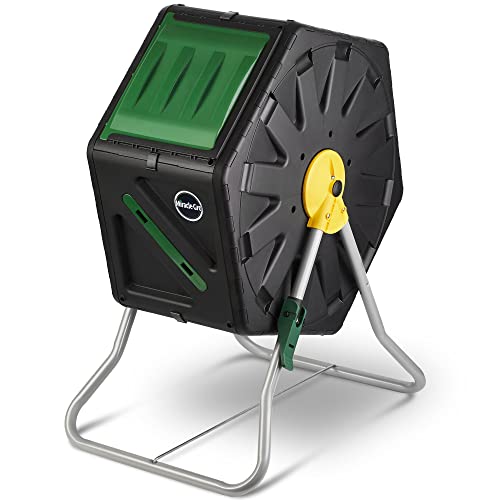

You should also add any new organic matter to the bin, such as fruit and vegetable scraps, eggshells, coffee grounds, etc.
Food Preservation
Whether you have a healthy garden harvest or you just found a great sale at your local grocery store or farmer’s market, it’s important to stay on top of food preservation so that nothing goes bad.
Working on food preservation on a daily or weekly basis is a great way to save time and save money. And who isn’t interested in saving money?
Canning, freezing, and dehydrating are all great ways to preserve food. And if you have excess fruits or vegetables, you can always make jams, jellies, or pickles! Even just making bone broth or vegetable broth and freezing it for later is a great way to use every single scrap that enters your homestead.





On that note, meal prep is a great way to utilize your resources in an efficient way. Making slow cooker meals ahead of time and popping them in the freezer is an effective way to utilize your harvest (which will save money) and save time in the kitchen.
Other Household Chores
Of course, homesteading isn’t all about the animals and the garden. There are plenty of other household chores that need to be done on a daily, weekly, or monthly basis.
These tasks may include things like laundry, sweeping and mopping the floors, dusting, taking out the trash, and more.


And don’t forget about the outdoor chores, such as raking leaves, mowing the lawn, trimming bushes, and so on.
My Current Schedule
Right now, our schedule looks a little bit like this:
- The day starts. Wake up. Shower, get dressed, eat breakfast.
- Children do morning chores. This includes dishes, sweeping, cleaning bathrooms, etc. It also includes feeding and watering the chicks, letting the big birds out to free range, and letting the sheep out of their paddock.
- During the growing season, we walk the garden. Water if necessary, harvest if applicable, and take care of any issues we see.
- Homeschool lessons with the kids (if applicable for the day).
- Lunch and break time. Don’t skip this! This is an important part of a homesteader’s daily life and a good way to keep physical and mental health up to par.
- Afternoons are spent working on any current projects. These change from day to day but have included anything from running fencing to cleaning out animal pens (chicken coop, sheep paddock, etc) to working on basic training with the dogs. We also use this time to do car maintenance, build compost bins, and so on. This is also where we take into account our weekly and monthly goals.
- Dinner
- Usually we’re done for the day at this point but sometimes if we have an urgent or time-sensitive project, we’ll go back out and work until dark (A homesteader’s day usually ends when the sun goes down.).
And there you have it! Our current homesteading daily schedule.


This schedule changes regularly depending on the time of year and current projects but essentially, this is the basic template.
Of course, every homesteader’s daily schedule will look different, but this gives you an idea of what a typical day might entail.
Free Printable Homestead Daily Schedule Pages
Some people work well with visual schedules and to-do lists. If this sounds like you, maybe you’ll benefit from a printable daily schedule!
Today I’m sharing a free printable homestead daily schedule with you. This resource includes 18 pages that will help you get organized and make the most of your homesteading day!


Included in this printable homestead daily schedule:
- Monthly calendar pages to help you keep track of events, projects, and deadlines
- Daily schedule pages with space for main project goals, meals, notes, and to-do lists
- Weekly schedule pages with space for each day’s projects, goals, and notes
This printable schedule is sure to help you get more done on your homestead. And the best part is it’s absolutely free! Just tell me where to send it!
Click here to access the free printable Homestead Daily Schedule pages!!
How to Use This Printable Homestead Daily Schedule
The best way to use this schedule is to print out a month’s worth of calendar pages and put them in a binder.
Each week, pick one day to sit down and make a list of things you need to accomplish every day. Then, each day as you complete tasks, check them off on the corresponding daily page.
If you have any questions about this printable homestead daily schedule or about a homesteader’s day to day life, feel free to leave a comment below or contact me directly at info@secretlifeofhomesteaders. I’m always happy to help!


Charlene has been dabbling in and learning about the homesteading lifestyle for almost 20 years. She recently started a real-world homestead with her extended family and is excited to share 20+ years of knowledge and experience with the world!
While she certainly doesn't know everything about homesteading and is learning more every day, she is excited to learn and grow along with YOU!
Charlene blogs about about homesteading at https://secretlifeofhomesteaders.com/.
Allyson @ Southern Sunflowers
Monday 5th of December 2022
Your printable homesteaders planner can even be used for non-homesteaders. It's a great planner for anyone. Thanks for sharing at the #HomeMattersParty.