
Are you wondering how to train a new LGD puppy? Protecting livestock with LGDs is a great way to minimize losses but it is critical that you train your puppy right.


Owning a Livestock Guardian Dog (LGD) is an incredibly rewarding experience, but it comes with the responsibility to ensure that your puppy is trained correctly. LGDs are unique in that they require specialized training to effectively protect livestock.
This guide is designed to walk new LGD owners through the essential steps of training their new puppy, focusing on techniques that foster positive behaviors while addressing common challenges.
This article may contain affiliate links. Please see our disclosure policy for more details.
Step 1: Introducing LGD Puppies to Livestock
Introducing LGD puppies to livestock is a critical first step in their training process. This initial phase lays the foundation for the strong bond necessary between the dog and the animals it will protect. Proper introduction techniques help to ensure that the puppy understands its role and begins to learn the behaviors that will make it an effective guardian.


Here, we will outline some essential tips and strategies to make this introduction period smooth and successful.
Begin Early
Ideally, LGD puppies should be introduced to livestock at as young an age as possible, preferably by 4 weeks old. If you’ve chosen a reputable breeder, this initial exposure will likely have been taken care of for you. However, it’s crucial to continue the introduction process as you bring your puppy home.
Sustained Exposure
When you bring your LGD pup home, usually between 8 and 12 weeks, ensure they continue to have safe and supervised time with the livestock. This exposure helps them understand their role and develop a bond with the animals they are meant to protect. Aim for daily introductions, gradually increasing the length of time spent together.
Supervised Interaction
Until you can completely trust your puppy’s behavior, never leave them alone with the livestock. Stay with your puppy during these interactions or keep them in a secure kennel near the livestock. This will help your puppy adapt without risking harm to either party. Gradually give your puppy more freedom, but always remain vigilant.


You will know your puppy is safe around your livestock when you can go several weeks without an incident, including when the puppy thinks you’re not watching. For well-bred LGDs, this can happen between 6 and 9 months but it is not uncommon for an LGD to have issues until they pass 18 months old, at which point, if the training has been consistent, they will eventually end up confident and safe.
Positive Reinforcement
When training your LGD pup to interact with the livestock, use positive reinforcement techniques. Reward desirable behaviors like gentle sniffing and calmness around the animals. This reward system will help them understand which behaviors are acceptable and reinforce their instincts to protect the flock or herd.
Step 2: Correcting Negative Behavior
Every LGD puppy will exhibit some undesirable behaviors during the training process. Correcting negative behavior is a crucial part of ensuring that your LGD grows into a reliable and effective guardian. This section will provide you with strategies for identifying and addressing these behaviors early on, ensuring that they do not develop into habits that could compromise the safety and well-being of your livestock.
Immediate Correction
When your puppy exhibits undesirable behavior, particularly around livestock, correct them immediately and consistently. Use verbal cues like “no” or “mine,” or give a light tap on the nose or behind. This correction should be firm but not aggressive. If the puppy continues to behave negatively, temporarily separate them from the livestock and give them a chance to calm down.


Distraction Techniques
Tools like water guns or Nerf guns can also be effective for distracting and correcting your puppy, offering a non-harmful way to deter bad behavior. The puppy will associate the sensation with their negative behavior, and it can serve as a useful tool in helping them learn appropriate behavior around livestock.
Training Collars
Electric training collars set to vibrate or shock (depending on the stubbornness of your puppy) can be an additional method for correcting negative behavior. Ensure to use them responsibly and sparingly. They should only serve as a last resort and never cause harm to the puppy.
Vsezund Shock Collar, Training Collar with Remote for Small, Medium, Large Dogs with Vibration, Electric Shock, Beep, Security Lock, and WaterproofPACK OF 2 – Golden Rewards Duck Jerky Dog Treats, 32 oz
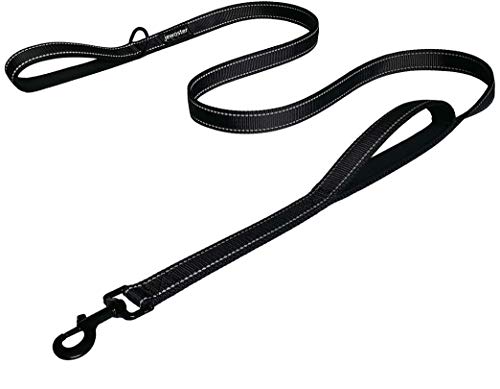
Heavy Duty Dog Leash – 2 Handles by Padded Traffic Handle for Extra Control, 6foot Long – Perfect for Medium to Large Dogs (6 ft, Black)
Cdyzqikm 4 Pack Puppy Toys for 2-8 Months Teething Pets Dog Chew Toy Puppies Teeth Cleaning Toy Food Dispensing Soft Rubber Bone Funny Ball Interactive Donut Treat Dumbbell for Small Medium Dogs Blue



We found that training collars were best used when the puppy reaches the stage where they choose to behave when you are around but when they think you are not around, they feel like they can misbehave with no consequences or because you can’t reach them. Hiding in the house or someplace else the puppy can’t see you is the best way to utilize this training method.
Step 3: Encouraging Positive Behavior
Encouraging positive behavior in your LGD puppy is key to fostering a reliable and effective guardian. This involves reinforcing good behavior consistently, creating a supportive environment, and employing techniques that promote calmness and focus around livestock. In this section, we’ll explore various strategies to help your LGD puppy develop the instincts and behaviors necessary to excel in their role as protectors.
Praise and Affection
When your puppy behaves appropriately with livestock, shower them with praise and petting. A happy human is often the best reward and motivator for good behavior. This positive reinforcement will encourage your LGD pup to continue exhibiting desirable behaviors.
Create a Safe Space
Provide your puppy with a designated kennel or den area where they can retreat when feeling overwhelmed or anxious. This space should be comfortable, quiet, and easily accessible at all times. Having a safe space allows them to take occasional breaks from their duties while remaining close enough to monitor the livestock.
Mental Stimulation
LGD puppies are intelligent and active animals that require mental stimulation in addition to physical exercise. Provide them with interactive toys and games that promote problem-solving skills, as well as activities that challenge their instincts to protect and guard their territory.
Use of Treats
While treats can be useful for teaching tricks, reserve them for those specific trick-teaching training sessions. Dependency on treats will result in a dog that only obeys when they want a reward rather than every time you ask them to.
Step 4: Preventing Fence Crossings
Fence crossings can pose a significant challenge in training and maintaining an effective Livestock Guardian Dog (LGD). Ensuring your puppy understands the boundaries and remains within the designated area is essential for their safety and the security of your livestock. In this section, we will discuss strategies to prevent fence crossings, helping you to maintain control over your LGD’s movements and keep both your dog and livestock safe.
Secure Fencing
Ensure your puppy stays within the property boundaries by building a fence they can’t escape from, whether it’s digging under, climbing over, or passing through.
Use a sturdy material, such as heavy-gauge woven wire or electric fencing, and regularly check for any potential escape points.
Supervised Exploration
Until you can trust your LGD puppy to stay within the designated area, always supervise their outdoor activities. This will allow you to intervene if they show signs of attempting to cross the fence or stray too far from the livestock.
Training Collars
As mentioned earlier, training collars can also be used in preventing fence crossings. Set them to vibrate or shock (depending on stubbornness) when the puppy approaches too close to the fence line. This reinforcement will help them understand their boundaries and discourage them from trying to cross over.
Electric Barriers
Electric barrier collars and electric fences are also effective solutions for teaching your puppy to stay within their designated area. These barriers emit a mild shock when triggered, serving as a deterrent for fence crossings.
Step 5: Teaching Perimeter and Physical Boundaries
Teaching your Livestock Guardian Dog (LGD) puppy about perimeter and physical boundaries is a critical aspect of their training. Understanding these limits will help the puppy comprehend the area they are responsible for protecting, ensuring both their safety and the security of your livestock. In this section, we will cover strategies for helping your puppy learn and respect these boundaries, fostering a well-disciplined and effective guardian.
Perimeter Runs
Familiarize your puppy with the property boundaries by taking them on perimeter runs multiple times a day during the first month. This routine will teach them the extent of their territory and get them accustomed to monitoring the entire area.
Start with short runs and gradually increase the distance as your puppy grows and becomes more familiar with their role.
Leash Training
Leash training is another effective method for teaching your LGD puppy about physical boundaries. This will help them understand how far they can roam without straying too far from the livestock or property. Start with short leash sessions in areas close to the designated territory, gradually increasing the distance as your puppy becomes more comfortable.
Reinforce Boundaries
Whenever your LGD puppy reaches the boundary of their designated area, reinforce this limit by using a verbal cue or hand signal. This will help them associate these cues with staying within their bounds, helping them learn and respect these boundaries over time.
Step 6: Nighttime Safety
Ensuring the nighttime safety of your Livestock Guardian Dog (LGD) puppy is crucial for their well-being and the protection of your livestock. Darkness can present various challenges and potential threats that your puppy needs to be prepared for. This section will cover essential strategies to keep your LGD secure and effective throughout the night, ensuring they can respond to any dangers that may arise.
Secure Housing
LGD puppies are too small to fend off predators until they are at least 7-8 months old. During this period, keep them in a secure area at night, such as a wire kennel, livestock trailer, or barn stall. This will ensure they are safe from potential harm while still being close enough to the livestock for protection.
ROOMTEC Large Dog Kennel Outdoor Pet Pens Dogs Run Enclosure Animal Hutch Metal Coop Fence with Rotating Bowl (4’L x 4’W x 4.25’H)BestPet 24,30,36,42,48 Inch Dog Crates for Large Dogs Folding Mental Wire Crates Dog Kennels Outdoor and Indoor Pet Dog Cage Crate with Double-Door,Divider Panel, Removable Tray (Black, 48
Rovibek 10×10 Large Outdoor Dog Kennel with Roof, Outside Dog Kennel Heavy Duty Dog Run Fence with Waterproof UV-Resistant Cover and 2 Stainless Steel Dog Bowl
BOLDBONE 48/42/38 inch Heavy Duty Indestructible and Escape-Proof Dog Crate Cage Kennel for Large Dogs, High Anxiety Dog Crate with Removable Crate Trays, Wheels and Double Door, Extra Large XL XXL


Light Up the Night
Predators often use darkness as cover when approaching your property. Installing motion-activated lights around your property can help deter them and alert you to any suspicious activity. Additionally, keeping a light on in or near your puppy’s designated area can provide them with a sense of security and make it easier for them to scan the surrounding area.
Step 7: Teaching to Bark and Challenge Threats
Training your Livestock Guardian Dog (LGD) puppy to bark and challenge threats is an essential part of their development and effectiveness as guardians. This behavior helps in warding off potential predators and ensuring the safety of your livestock. In this section, we will outline the steps for teaching your puppy to recognize and react to threats, solidifying their role as dependable protectors.


Encouraging Bravery
When you notice a threat or see your puppy barking at something suspicious, accompany them and run towards the threat together. This reassures your puppy and encourages them to be brave, knowing you support them. Be sure to do this during that day as well as at night, even if it means you have to get up in the middle of the night with your puppy.
Over time, your puppy will learn to challenge and confront threats independently. It will only take a few short months until your LGD can handle most threats all on their own.
Positive Reinforcement
Always praise and reward your puppy when they bark or exhibit signs of challenging a threat. This positive reinforcement will reinforce this behavior and encourage them to continue responding in the same way to future threats.
Step 8: Building Confidence
Building your Livestock Guardian Dog (LGD) puppy’s confidence is crucial to their success as a protector. A confident dog is more likely to take initiative and act decisively when faced with potential threats. In this section, we will discuss techniques to help your puppy develop self-assurance and independence, enabling them to be more effective in safeguarding your livestock.


Positive Reinforcement
Provide lots of positive interactions and praise when your puppy performs well. A confident puppy is more likely to be a successful guardian.
This reinforcement will build their confidence and encourage them to take on more responsibility.
Gradual Exposure
Expose your puppy to new situations or environments gradually. As they become comfortable with each scenario, increase the complexity of these situations, challenging them without overwhelming them. This gradual exposure will help build and strengthen their confidence in handling unfamiliar circumstances.
Encouraging Independence
Allow your LGD puppy to explore their surroundings independently while still keeping a close eye on them. This freedom will help them develop problem-solving skills and make independent decisions when faced with potential threats. Trusting and encouraging your puppy’s independence will also strengthen your bond with them, enhancing their loyalty and dedication as protectors.
Step 9: Strengthening Bonds with Humans and Livestock
Fostering a strong relationship between your Livestock Guardian Dog (LGD) puppy, yourself, and your livestock is vital for their effectiveness as guardians. By developing mutual trust and respect, you can ensure that your LGD is well-integrated into their environment and capable of providing reliable protection. In this section, we will explore several strategies for building these essential connections, enhancing the overall harmony and security of your farm.


Building Loyalty
A strong bond with you and your livestock makes your LGD more loyal and committed to protecting your home and animals. Spend quality time with your puppy to foster this connection. Make sure time spent together includes working time as well as playtime and relaxation time. And when working through a training session with your puppy, be sure to always end on a positive note. This will reinforce the idea that being around you and your livestock is a positive and rewarding experience.
Regular Interaction with Livestock
Encourage positive interactions between your puppy and the livestock they are meant to protect. Allow supervised playtime between your LGD and the animals they will eventually guard. These social interactions help build trust and familiarity while also establishing boundaries for acceptable behavior towards the livestock.
By following these steps, you can ensure that your LGD puppy develops strong bonds with both you and your livestock, making them an invaluable asset to your farm. As they grow and mature, these relationships will strengthen, creating a solid foundation for their role as protectors. Remember to always provide a loving and supportive environment for your LGD puppy, allowing them to thrive in their natural instincts while also being a cherished member of your family and farm community.
Step 10: Teaching Their Proper Place in the Pack
Understanding the social structure of a dog or wolf pack is essential in teaching your Livestock Guardian Dog (LGD) puppy their proper place within your farm’s hierarchy. In a pack, each member has a defined role and position, which promotes harmony and effective cooperation. By recognizing and reinforcing these roles, you can help your LGD puppy integrate smoothly into the established order, ensuring they respect boundaries and function optimally as part of the team. This understanding cultivates a sense of security and belonging in your puppy, enhancing their ability to protect and bond with the livestock and humans around them.
Pack Order
Every pack has a hierarchy. Teach your puppy that all human family members are in charge. If you have multiple dogs, allow them to establish their natural order.
Reinforce this by feeding and petting the top dog first, then the other dogs. This practice will help establish boundaries and maintain order within your pack.
Establishing Boundaries
Make sure your puppy understands that they have a specific territory to defend, such as the pasture or barn. Reinforce this by consistently walking the boundaries of their designated area with them, encouraging them to mark and patrol it regularly. Gradually expand this territory as your puppy grows more confident and assertive in their role as guardian.
Teaching Obedience
To ensure effective communication with your LGD puppy, teaching basic obedience commands is crucial. These include “sit,” “stay,” “come,” and “leave it.” By mastering these commands, you can control and direct your dog’s behavior when needed while maintaining their respect for you as the pack leader.
Common Challenges and Solutions
When raising a Livestock Guardian Dog (LGD) puppy, you may encounter various challenges that could hinder their development and effectiveness. Understanding these common issues and learning how to address them is crucial for ensuring a successful integration into your farm. In this section, we will discuss some frequent problems and offer practical solutions to help you navigate these obstacles and foster a strong, reliable guardian.
Negative Behavior with Livestock
If your puppy shows negative behavior, particularly towards chickens or other smaller livestock, address it immediately with the correction techniques discussed earlier.
It is essential to do this at a young age, as these behaviors can become ingrained and escalate as the dog matures. Consistently reinforcing boundaries and positive interactions with livestock will help prevent problematic behavior.
Wandering
LGD puppies are naturally independent and may wander off on their own, especially if they have not been given proper boundaries from an early age. To avoid this issue, establish clear territory boundaries for your puppy to patrol and monitor their activity regularly. Also, make sure to provide enough mental and physical stimulation on your farm so that your LGD does not feel the need to wander in search of stimuli.
Crossing Fence Lines
Implement secure and effective fencing and boundary training methods to prevent your puppy from wandering off. If they do cross a fence line, bring them back to their designated territory and reinforce the command “stay” or “leave it.” Make sure to monitor your puppy’s behavior closely and address any potential boundary issues promptly.
Constant Barking
Understand that barking is a crucial part of an LGD’s job. Encourage this behavior but ensure it’s directed towards genuine threats. Over time, they will learn to bark appropriately. Remember, these are not neighborhood pets. Barking is a good thing, especially throughout the night./
Food Aggression
In our experience, many LGD puppies and dogs have what’s known as food aggression and it is very difficult, if not impossible, to train out of them. We have never been able to train it out of an LGD, at least.
What is food aggression? Food aggression is what happens when a dog gets possessive and protective of their food. You should never ever allow them to be protective of their food towards a human. Be very firm with them if they growl or nip at you when you’re close to them while eating. (Note that this also includes keeping your young children away from the dog while it’s trying to eat. In this article about training an LGD to protect chickens, we discussed how sometimes when a mother dog is disciplining her pups, she can seem very scary. This is normal behavior but we don’t want our human children on the receiving end of a dog’s discipline.)
We also talked about pack mentality earlier in this article. If your dog is properly trained and respects its humans, you shouldn’t have a big issue with food aggression towards bigger and older humans, and even tiny humans as the dog matures. However, sometimes it can be difficult to discourage a dog from growling or nipping at another dog or animal while they are trying to eat, especially if it is towards an animal they view to be ‘below them’ on the pack hierarchy.
In order to prevent accidents, we get around this by either locking up the other animals while the dog is eating or by providing the dog with someplace safe to eat where the other animals cannot get to them. In fact, you can read this article about how to keep chickens away from dog food. You can also stand guard for your dog by shooing away any animals that try to go for the food while the LGD eats.
This can often prove to be very difficult because many animals, including sheep and chickens, can be very stubborn and willing to do whatever it takes to get those treats. The good news is that as LGD pups grow and become secure adults, they will be gentler when chasing animals away from their food but accidents still happen and it’s best to err on the side of caution.
Final Thoughts on Training an LGD Puppy Successfully
Training an LGD puppy requires patience, consistency, and a clear understanding of their unique role. By following these steps and addressing any challenges promptly, you can raise a well-adjusted and effective guardian for your farm. Remember to provide love, support, and positive reinforcement throughout their development, as this will strengthen their bond with both you and the livestock they are meant to protect.
With proper training and care, your LGD puppy will grow into a loyal and vigilant protector, giving you peace of mind and ensuring the safety of your farm for years to come. So start early, be consistent, trust in your dog’s instincts, and enjoy watching them thrive in their role as guardians. Happy farming!


Charlene has been dabbling in and learning about the homesteading lifestyle for almost 20 years. She recently started a real-world homestead with her extended family and is excited to share 20+ years of knowledge and experience with the world!
While she certainly doesn't know everything about homesteading and is learning more every day, she is excited to learn and grow along with YOU!
Charlene blogs about about homesteading at https://secretlifeofhomesteaders.com/.