
Have you ever wondered how long to germinate tomato seeds? Tomatoes are a popular garden plant which is why we’ve included them in our series of when to start seeds.
Have you ever eaten a homegrown tomato? Homegrown tomatoes are the sweetest and juiciest. Even those who don’t typically like tomatoes (such as myself!) are likely to enjoy these homegrown delicacies.


Growing your own tomatoes from seed can be a rewarding and cost-effective way to enjoy the garden bounty of fresh, flavorful fruits.
But before you get to harvesting those juicy tomatoes, you need to know how long it takes for tomato seeds to germinate.
This article may contain affiliate links. Please see our disclosure policy for more details.
How Long Until My Tomato Seeds Germinate?
Germination is the process by which the plant embryo in a seed breaks through its outer covering and begins to grow into a new plant.
Most tomato seeds will begin to sprout within 5 days. This is about the time where you will begin to see little tomato seedlings. If you haven’t seen a green seedling by day 7 or 8, you either have a dud seed or you have sprouted a variety of tomato that takes a little bit more time.


I recommend keeping your tomato seeds moist, warm (around 70°F), and well-drained. And be sure you plant your seeds in a deep enough container because this plant does better with a deep root system.
Knowing when your tomatoes will sprout allows you to plan ahead so that they are ready for transplanting at just the right time.



Read the back of your seed packet for more information or do a quick internet search on your particular variety of tomatoes.
Depending on their variety, most tomato seeds take between five and seven days for germination; however, some types may take up to two weeks or more.
When Should I Plant My Tomato Seeds For Maximum Germination?
Planting your tomato seeds at the right time is essential to getting them to germinate and yield a successful crop.


The best time to start your tomato seeds will be heavily determined by your region’s growing zone. In general, you want to start your seeds roughly 6-8 weeks before your last frost date. That way, the seedlings will be strong and healthy by the time they are moved outdoors.
Read Also – When To Start Seeds Indoors In Zone 6
Depending on where you live, the best time for planting your tomato seeds can be anywhere from early spring to late summer.
However, don’t worry about starting your tomato seeds a bit earlier or later.




To maximize germination opportunities, make sure the soil temperatures have reached at least 65 degrees Fahrenheit before planting your tomato seeds.
Tomatoes do better in warmer climates than colder ones so if you need to keep your young plants inside for a little bit longer, it’s not a big deal (assuming of course you picked a large enough container).


In fact, don’t be afraid to keep your tomato plants indoors all year long! This will help keep bugs from eating your tomato plants or birds from eating your young fruit before it gets a chance to ripen.
Additionally, indoor tomato plants don’t have to worry about late frosts or summer droughts. The temperatures are ideal all year long!
Free Garden Planning Worksheets
Do you need help planning out your garden? It’s never too early (nor too late) to start planning your garden.
We can help take the stress, anxiety and overwhelm out of garden planning with our free Garden Planning Worksheets.
Make planning your garden easier than ever with your very own copy!
Learn what’s inside the free printable gardening planner here.
Or Grab your free Garden Planning Worksheets NOW!!
Where Should I Plant Tomato Seeds?
Planting tomato seeds is such an exciting prospect! When it comes to deciding where to plant them, there are a couple of key factors that can help you decide.


Firstly, tomatoes love at least 8 hours of direct sunlight each day. Seeds don’t necessarily need light to germinate but once they sprout, the seedlings and plants definitely do.
If you can find a place in your yard with plenty of sun, this will be your best bet. This is true whether they are started indoors and then moved outside as seedlings or if they are direct sown in your garden outside.
Secondly, the soil should be well-drained and nutritive. This is the case whether you plant your tomatoes indoors or outdoors. Tomatoes have a deep root system so you need plenty of space and plenty of drainage.
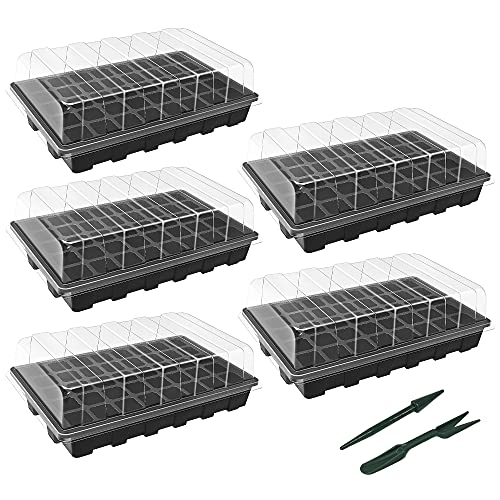


If your soil isn’t quite right, supplementing the area with some organic compost before planting can make all the difference.
Finally, give yourself enough space as these plants can grow very large – so make sure they won’t be overcrowded or hijacked by other strong competing weeds! You also want to make sure they have some kind of cage or trellis to climb up or branches will break.
Just follow these tips and you’ll be off to a great start growing delicious tomatoes in no time!
When Should I Transplant Tomato Seedlings?
Transplanting tomato seedlings is a gardening joy – you get to move those babies from the safety of their starter pots into their permanent home in your garden bed!
When it comes to tomato seedlings, timing is key! Transplanting too soon can cause damage to the roots and stunt the plant’s growth, while waiting too long can lead to overcrowding, lack of air circulation, and diseases.
The best time to transplant tomatoes outside is when all danger of frost has passed and night temperatures are reliably above 55 degrees Fahrenheit; this rules out early spring in most regions of the US.


Not only do you need soil that’s warm enough but also air temperatures, so plant patiently and be sure to watch the forecast before making any moves. Just remember, tomatoes can be tender plants – even if the soil is warm and inviting enough for little feeties, extra protection from a cloche or floating row cover on cold nights may be necessary for your success if it’s still slightly chilly outside.
Be sure to read up on how deep to plant each variety – some require less soil coverage than others, and proper depth will ensure a steady flow of nutrients for an abundant harvest.
Tomato transplants can’t wait to stretch their roots in fresh soil – happy planting!



With some patience, this will ensure that you get a bumper crop of plump red tomatoes for your salads and sauces!
More Gardening Resources
For more gardening resources and ideas, check out the following resources:
How to care for basil plants
How to plant and care for beans
When to start seeds
More Helpful Tips For Growing Tomatoes
Growing tomatoes at home is a fun way to get closer to nature and enjoy the sweet taste of homegrown produce! Follow these tips for even more tomato growing success!


- Tomatoes are thirsty plants, so be sure to water them frequently, as they will require more often in warmer and sunnier weather.
- Even though they need a lot of water, they can rot easily so be sure your moist soil drains well!
- Do you struggle getting tomato seeds from seed packets to sprout? Many tomato plants can be regrown from fruit rather than dried seeds. Take your favorite tomato, slice it up, and plant the entire slice with some potting soil by a window with direct sunlight, seed and all! This is how I’ve had the best tomato seed germination success.
- Tomatoes need feeding with a balanced fertilizer or compost each month.
- Mulch around the base of your plants will help to keep weeds down and lock in moisture – this ensures your tomatoes are getting all the nutrients they need!
- Try adding some supports for taller tomato plants too so that you can save space in your garden for other vegetables.
- Plant some marigolds around your tomato crop to keep a variety of pests away from your prized fruit.


All these considerations are sure to help you gain tasty and juicy fruits from your harvest! Planting tomato seeds doesn’t have to be scary or complicated. With a little effort, you too will become an expert gardener.


Charlene has been dabbling in and learning about the homesteading lifestyle for almost 20 years. She recently started a real-world homestead with her extended family and is excited to share 20+ years of knowledge and experience with the world!
While she certainly doesn't know everything about homesteading and is learning more every day, she is excited to learn and grow along with YOU!
Charlene blogs about about homesteading at https://secretlifeofhomesteaders.com/.