
Have you ever wondered how big do chickens get? Knowing how to take care of chickens also means knowing how big they will get and what kinds of weights you need to plan and prep for.


If you’re giving serious thought to bringing chickens into your life, one of the most important things to consider is what size chicken works best for you. If you’re new to ownership then no doubt getting your head around all the different sizes may be a little confusing; after all, not everyone can tell exactly how big a particular breed will grow!
To help answer that question and provide the clarity needed when making this decision we’ve developed this article – How Big Do Chickens Get?
Join us as we explore whether bigger is better or if size really doesn’t matter in the world of chickens.
This article may contain affiliate links. Please see our disclosure policy for more details.
What is the Average Size of Chickens from Birth to Adulthood
Have you ever wondered how big chickens get from birth to adulthood? As a fellow lover of all things cute and fluffy, I can tell you that the average size of a chicken can vary widely depending on the breed.


From the moment they hatch, a chick will typically weigh about 2 ounces at hatching, fitting comfortably in the palm of your hand. As they mature, their size will increase at a surprising rate. By the time they reach 6 months old, most chickens will be fully grown and weigh anywhere from 4-8 pounds.
Of course, some breeds can weigh up to 10 pounds or more, while others stay relatively small at around 2-4 pounds.




While they may not grow to be as large as some of their feathered counterparts, chickens still have plenty of personality to offer as pets or farm animals. Regardless of their eventual size, there’s no denying the adorable appeal of a fluffy baby chick – and the tasty reward of a fully-grown hen.
What’s the Average Chicken Weight?
The average chicken weight is between 5 and 7 pounds.
How Much Does a Newly Hatched Chick Weigh?
Most newly hatched chicks will weigh between 10 and 12 ounces, with some coming in at only 8 ounces.
How Big Is a Full-Grown Chicken?
Since there are so many different chicken breeds, including bantam variety and traditional varieties, this is a difficult question to answer.
Most bantam chicken breeds will stop growing at just a couple of pounds(2-4), Egg production breeds will be more mid-range, or 5-7 pounds. Meat production birds are going to top the scale at 8 or more pounds.
Breed Overviews – The Largest and the Smallest Chicken Breeds in the World
From the massive Brahma to the pint-sized Serama, the world of chickens has a wide range of sizes. The Brahma, one of the largest chicken breeds, can weigh up to 18 pounds and be up to 30 inches tall, making it a true heavyweight in the poultry world.



On the opposite end of the size spectrum, the tiny Serama chickens can weigh as little as 8 ounces and can fit comfortably in the palm of your hand. This bantam chicken will only get 6-10 inches tall!
Despite their size differences, both breeds have their individual strengths. Brahma chickens are known for their winter hardiness and docile personalities, while Serama chickens are prized for their full feathers, ornamental beauty and playful personalities.


It’s incredible to think that these two birds belong to the same species, but their differing sizes and characteristics only add to the diversity of our feathered friends.
Here is a brief overview of some of the largest and smallest chicken breeds in the chicken world.
What Are The 10 Largest Chicken Breeds In The World?
These large chicken breeds will require a bit more space than their bantam counterparts.
- Jersey Giant
- Malay
- Dong Tao
- Brahma
- Maline
- German Langshan
- Cochin
- Cornish
- Australorp
- Orpington
What Are The 10 Smallest Chicken Breeds In The World?
These small chicken breeds fit into even the tiniest of spaces!
- Serama
- Dutch Bantam
- Japanese Bantam
- Sebright
- Old English Game
- Barbu d’Anvers
- Rosecomb
- Cubalaya
- D’Uccle
- Booted Bantam
What Is The Largest Chicken Breed In The World?
The largest chicken breed in the world is the Jersey Giant. This gigantic chicken originated in New Jersey and can weigh up to 13 pounds!
Ways to Prepare for a Healthy and Safe Environment – Tips on How to Care for Larger Chickens
Caring for larger chickens may seem daunting to those new to the task, but with a little preparation and some helpful tips, you can create a healthy and safe environment for your feathered friends.
When it comes to raising larger chickens, giving them enough space is crucial to maintaining a healthy and safe environment.


For larger chickens, the general rule of thumb is to allow at least 4-5 square feet per chicken to ensure they have enough room to move around, spread their wings, and engage in natural behaviors such as scratching and dust bathing.
This also helps prevent overcrowding which can lead to stress, disease, and even aggressive behavior.
Additionally, when it comes to housing, ensure that your coop is spacious enough for the size of your chickens and provides adequate ventilation. Keep the coop clean by regularly removing old bedding and disinfecting surfaces.
Nutritional Needs – What Do Chickens Need to Eat to Stay Healthy and Discerning Eating Habits
Chickens may seem like they’ll eat just about anything, but it’s important to feed them the right nutrients to keep them healthy and thriving. Some key components of a healthy chicken diet include grains, protein, and fresh vegetables.


Additionally, providing them with a source of calcium, such as crushed eggshells or oyster shells, will help them maintain strong bones and lay quality eggs. Chickens are also known for their discerning eating habits and will pick out their favorite foods from a mixed bowl, so it’s important to ensure they have access to a variety of options.
By maintaining a balanced and diverse diet, your feathered friends will be happy and healthy!
Common Health Problems – How To Spot Signs of Illness in Your Flock
Raising chickens and keeping a flock healthy is crucial for successful poultry farming. However, identifying signs of illness in your feathered friends can be tricky.

Some common health problems among chickens include respiratory infections, parasites, and certain viral diseases. By observing their behavior, examining their physical appearance, and monitoring their droppings, you can quickly spot if something is amiss.
Be sure to take action immediately if you do notice any signs of illness. A proactive and attentive approach to your flock’s health not only ensures their well-being but also the productivity of your farm.
Remember, a healthy chicken is a happy chicken – and a happy chicken lays better eggs!
Interacting with your Flock – Fun Activities You Can Do With Your Feathered Family Members
Interacting with your flock can be a joyous experience for both you and your feathered friends. From playing games to teaching them new tricks, the possibilities are endless.
One fun activity is to create an obstacle course for your birds to navigate. You can use items you already have around the house, like cups, cardboard boxes or ladders, to create a mini course for them to complete.
Another idea is to have a dance party with your birds. Crank up your favorite tunes and watch them bop along with the beat. Teaching your birds new words or phrases is also a great way to bond with them. With patience and persistence, your feathered family members will be chatting away in no time.
So, why not try these fun activities with your flock and watch your relationships soar to new heights!
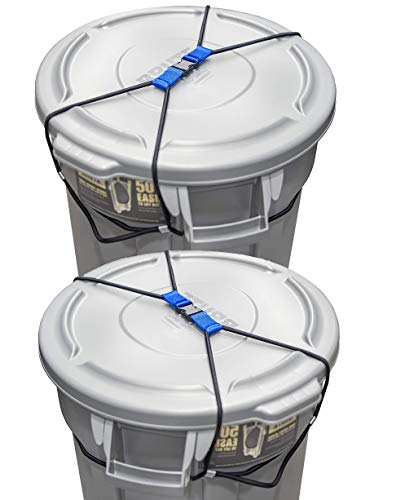



As we’ve seen, chickens come in all shapes and sizes. From the very small bantam breeds all the way up to some of the larger chicken breeds, each type of bird can offer their own unique behaviors, eating habits, and health problems that need to be considered when keeping them as part of a family pet.
Although you may not have thought about chickens getting this big, it is important to note that all animals grow up and knowing exactly what size to expect before bringing them home helps with creating a healthy living environment for both you and the chickens.
With proper feed, a safe enclosure, and plenty of room to move around, there is no reason why your feathered family members shouldn’t enjoy a long and productive life. Remember that spending time engaging with your flock is just as important as providing them with nourishment – after all, they are part of the family too!
From exploring fun activities there are to do together to being extra aware of any sign of illness in your birds, having patience and understanding will always help build strong relationships between members in your backyard menagerie. So go out there and explore what more can be done when preparing for larger chooks being a part of your flock!
Now that you know how big chickens get, let’s make sure that they remain healthy so everyone involved can make beautiful memories together!
And don’t forget: check out our other chicken resources!
More Gardening And Chicken Keeping Resources
Still looking for more resources to help with gardening and chicken keeping? Check out these great ideas!
- What Ingredients Are In Chicken Food?
- Companion Planting Cheat Sheets
- What Vegetables Grow Well In Containers?


Charlene has been dabbling in and learning about the homesteading lifestyle for almost 20 years. She recently started a real-world homestead with her extended family and is excited to share 20+ years of knowledge and experience with the world!
While she certainly doesn't know everything about homesteading and is learning more every day, she is excited to learn and grow along with YOU!
Charlene blogs about about homesteading at https://secretlifeofhomesteaders.com/.
Cindy@CountyRoad407
Thursday 15th of June 2023
Thank you so much for linking this fantastic post on Farmhouse Friday. I'll be featuring it tomorrow. Hope you link up again. pinned
Esme Slabbert
Tuesday 6th of June 2023
Very interesting as our Son and DIL have a non-profit animal rescue farm and they have chickens at the moment. I will share this with them. Thank you from your Vroom Vroom Team for sharing your links with us at #264 SSPS Linky. Please check back weekly to see if featured on the blog post or by any co-hosts.