
Here at Secret Life of Homesteaders, building a successful homestead often begins with choosing the right animals to suit your land, climate, and goals. Animals are not only companions but also valuable contributors to a sustainable and productive lifestyle.
In this guide, we’ll explore the top 20 homestead animals, detailing their benefits, challenges, and tips for beginners to help you make informed decisions.
This article may contain affiliate links. Please see our disclosure policy for more details.
1. Chickens
Adding chickens to a homestead is often the first step for new homesteaders. Chickens are incredibly versatile, offering a steady supply of fresh eggs and a source of meat if desired. They’re also natural foragers, helping to control insects in gardens and fields. Their droppings can be composted into rich fertilizer, contributing to a closed-loop system that benefits the entire homestead. For families, chickens are often a favorite for their personality and ease of care.


However, chickens do require some attention to housing and predator protection. A secure coop and run are essential, as chickens are vulnerable to predators like raccoons, foxes, and hawks. Additionally, regular cleaning of their living areas is necessary to prevent disease. Despite these challenges, chickens are among the easiest and most rewarding animals to raise on a homestead.
For beginners, starting with a small flock of 4-6 chickens is ideal. Hardy dual-purpose breeds like Rhode Island Reds or Buff Orpingtons are excellent choices for both egg production and meat. Ensure they have access to quality feed, clean water, and occasional treats like kitchen scraps or mealworms to keep them happy and healthy. With just a bit of effort, chickens can quickly become one of the most productive and enjoyable additions to your homestead.
Basic Information: Chickens are the backbone of many homesteads, known for their adaptability and egg production.
Benefits: Provide eggs, meat, and natural pest control.
Challenges: Require secure housing to protect against predators.
Tips: Start with hardy breeds like Rhode Island Reds or Buff Orpingtons.
2. Ducks
Adding ducks to your homestead can be a rewarding choice, as these hardy birds offer a range of benefits. Ducks are renowned for their nutrient-rich eggs, which many people find to be creamier and more flavorful than chicken eggs. They are also excellent foragers, adept at finding insects, slugs, and other pests, making them invaluable for pest control in gardens and fields. Ducks are generally hardier than chickens and can tolerate colder, wetter conditions, making them ideal for regions with challenging climates.

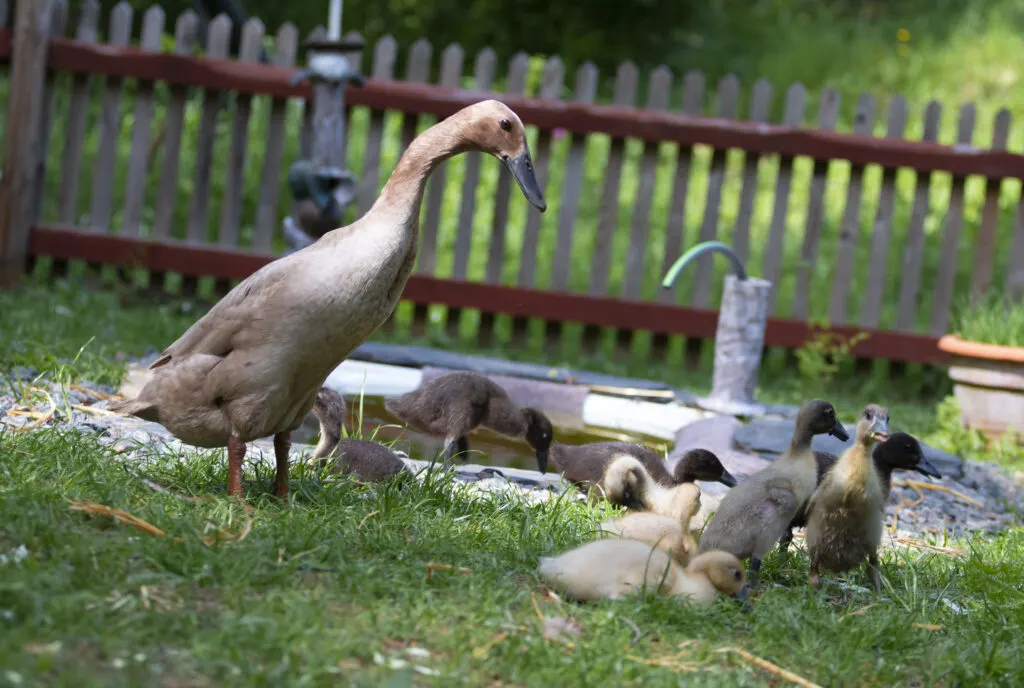
One of the unique advantages of ducks is their ability to thrive in damp or muddy environments. They love water, and a small pond or kiddie pool can keep them content. Their foraging behavior often leads to fewer problems with compacted soil, as they lightly aerate the ground while searching for food. Furthermore, their droppings make excellent fertilizer when composted properly, enriching your soil and boosting garden productivity.
However, keeping ducks does come with some challenges. They require access to clean water for both drinking and cleaning their bills and feathers, which means you’ll need to regularly refresh their water supply. Ducks can also be messy, as they tend to splash and muddy up their surroundings. Predator protection is another critical consideration, as ducks are not as agile as chickens and may be more vulnerable to attacks.
For beginners, starting with hardy breeds like Khaki Campbells or Pekins is a smart move. These breeds are prolific egg layers and generally easy to care for. Ensure their housing is secure, well-ventilated, and provides adequate space for their unique needs. Ducks thrive when kept in small groups, so consider starting with at least three to four birds to create a happy, social flock. With proper care, ducks can become a charming and productive addition to any homestead.
Basic Information: Ducks are waterfowl that thrive in wet or damp environments.
Benefits: Lay nutrient-rich eggs and are excellent foragers.
Challenges: Need access to water and muddy areas.
Tips: Consider breeds like Khaki Campbell or Pekin for egg production.
3. Geese
Adding geese to your homestead brings unique advantages and challenges. Geese are highly social, intelligent birds that are known for their strong protective instincts. They make excellent guardians for smaller livestock such as chickens or ducks, often alerting you to potential predators with their loud honking. Additionally, geese are natural weeders, efficiently clearing unwanted vegetation in pastures or gardens. Their ability to graze on grass makes them relatively cost-effective to keep, especially during the growing season when fresh forage is abundant.


One of the standout benefits of geese is their low-maintenance diet. Unlike many other poultry, geese primarily consume grasses and other vegetation, reducing the need for supplemental grain-based feed. Their droppings also contribute to soil enrichment, making them a valuable part of a sustainable homestead ecosystem. Geese lay large, rich eggs that can be used for baking or cooking, although they are less prolific layers compared to chickens or ducks.
However, there are challenges to keeping geese. They can be loud and territorial, particularly during nesting season, which may be problematic for close neighbors or family members. Their protective nature, while useful for deterring predators, can sometimes translate into aggressive behavior toward humans or other animals if not managed properly. Geese also require access to water for bathing and maintaining their plumage, though they don’t need as much water as ducks.
For beginners, starting with calm, friendly breeds like Pilgrims or Toulouse is recommended. These breeds are known for their manageable temperaments and adaptability to various climates. Housing for geese should include a secure shelter to protect them from predators at night, as well as ample space for grazing during the day. A small kiddie pool or shallow pond will suffice for their water needs. With proper care and management, geese can become loyal, hardworking members of your homestead, providing both practical benefits and charming personalities.
Basic Information: Geese are large, social birds often used as guardians.
Benefits: Excellent weeders and protectors of smaller livestock.
Challenges: Can be aggressive and loud.
Tips: Focus on gentle breeds like Pilgrims for family-friendly options.
4. Turkeys
Turkeys can be a valuable addition to a homestead, especially for those looking to produce their own meat. Known for their flavorful, high-quality meat, turkeys are often a seasonal favorite for homesteaders during holidays. These birds are excellent foragers, consuming insects, weeds, and seeds, which can help manage pests and unwanted vegetation around the homestead. Turkeys are also more personable than many people realize, often developing unique bonds with their caretakers.
One significant benefit of raising turkeys is their relatively rapid growth rate, which makes them a practical choice for meat production. Additionally, heritage breeds of turkeys are hardier and better adapted to free-ranging than commercial breeds, making them well-suited for sustainable homesteads. Their droppings, like those of chickens and ducks, can be composted into nutrient-rich fertilizer for gardens.
However, raising turkeys comes with its challenges. Turkeys are more susceptible to certain health issues, such as blackhead disease, which can be fatal if not managed properly. They also require more space than chickens or ducks, as they need room to roam and forage. Housing for turkeys should be spacious, secure, and include a sheltered area to protect them from predators and harsh weather.
For beginners, starting with a small flock of 3-5 turkeys is recommended. Heritage breeds like Bourbon Red, Narragansett, or Blue Slate are excellent choices for their hardiness, rich flavor, and adaptability to various climates. Ensure they have access to quality feed, clean water, and ample space to forage. While turkeys require a bit more attention than some other poultry, their benefits to the homestead make them a rewarding choice for those prepared to meet their needs.
Basic Information: Turkeys are larger poultry raised for meat.
Benefits: Provide a significant source of meat and natural insect control.
Challenges: Require more space and careful management.
Tips: Raise heritage breeds for hardiness.
5. Rabbits
Rabbits are an excellent choice for homesteaders looking for a sustainable source of meat and fertilizer. These small, quiet animals are incredibly efficient, converting feed into protein at a high rate. Rabbit meat is lean, nutritious, and considered a delicacy in many cuisines. Additionally, their manure is a rich, cold fertilizer that can be applied directly to gardens without composting, making it a boon for organic gardening enthusiasts.

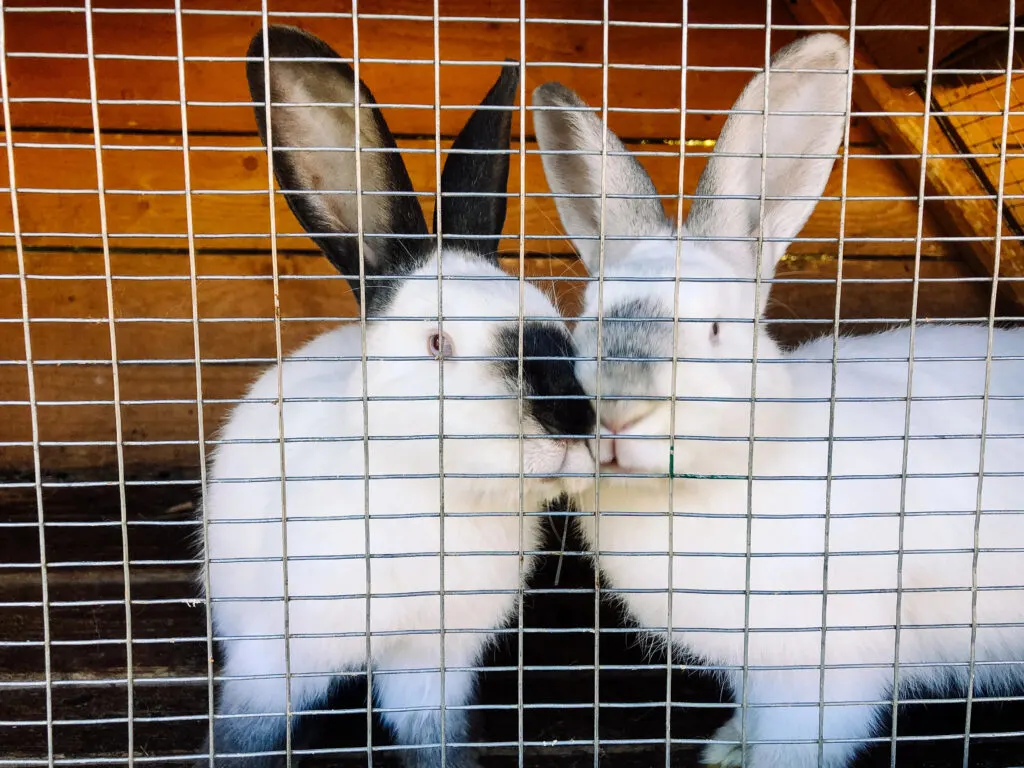
One of the greatest advantages of rabbits is their minimal space requirements. They can be housed in hutches or colony setups, depending on your preferences and available space. Rabbits are also relatively easy to breed, with a high reproductive rate that ensures a steady supply of meat or new stock. For homesteaders interested in fiber production, breeds like Angoras provide soft, luxurious wool that can be spun into yarn.
However, rabbits do come with challenges. They are sensitive to extreme temperatures, particularly heat, and require shaded, well-ventilated housing in warmer climates. Proper handling is essential, as rabbits can be easily stressed or injured if not handled correctly. Predators such as dogs, raccoons, and hawks also pose a threat, necessitating secure housing and fencing.
For beginners, starting with hardy meat breeds like New Zealand or Californian is advisable. These breeds are known for their rapid growth, good temperament, and high meat yield. Ensure your rabbits have access to fresh water, quality pellets, and hay, along with occasional treats like leafy greens. Regular cleaning of their living spaces and close monitoring for signs of illness will help keep your rabbits healthy and productive. With their many benefits and relatively low upkeep, rabbits can be a valuable addition to any homestead.
Basic Information: Rabbits are small mammals raised for meat and fiber.
Benefits: Quick reproduction rates and excellent manure for compost.
Challenges: Sensitive to heat and predators.
Tips: Start with hardy breeds like New Zealand or Californian.
6. Goats
oats are one of the most versatile and rewarding animals to add to a homestead. They are valued for their milk, which can be used for drinking, cheese-making, and soap production. For those interested in meat production, breeds like Boer goats are an excellent choice due to their size and fast growth rate. Additionally, some goat breeds, such as Angoras or Cashmeres, produce luxurious fiber that can be spun into yarn. Beyond their tangible products, goats are natural foragers and excellent at clearing brush, making them useful for managing overgrown areas on your property.
One of the standout benefits of keeping goats is their adaptability. They thrive in a variety of climates and can graze on a wide range of vegetation, including weeds and shrubs that other livestock might avoid. Goats are also highly social and personable animals, often forming strong bonds with their caretakers. Their curious and playful nature can bring a lot of joy to the homestead.
However, raising goats does come with challenges. Perhaps the most well-known is their reputation as escape artists. Goats are incredibly resourceful and will test the limits of your fencing, so investing in strong, secure fencing is essential. They are also susceptible to certain health issues, such as parasites, and require regular health checks and preventative care. Goats need adequate shelter to protect them from extreme weather and should have access to mineral supplements to maintain their health.
For beginners, starting with a small herd of 2-3 goats is a good idea, as goats are herd animals and do best with companions. Hardy breeds like Nubians, known for their rich milk, or Boers, prized for their meat, are excellent choices. Ensure they have plenty of forage, clean water, and a well-secured living area. With proper care and attention, goats can become one of the most valuable and entertaining additions to your homestead.
Basic Information: Goats are versatile livestock known for their curiosity.
Benefits: Provide milk, meat, and weed control.
Challenges: Escape artists requiring secure fencing.
Tips: Choose breeds like Nubian for milk or Boer for meat.
7. Sheep
Adding sheep to a homestead offers both practical benefits and a touch of pastoral charm. Sheep are prized for their versatility, as they provide wool for spinning, milk for dairy products, and tender, flavorful meat. Their grazing habits make them excellent for maintaining and improving pastures, as they prefer grasses and can help control weeds. Sheep are generally docile and relatively easy to manage, making them a good choice for beginners.
One of the most notable benefits of raising sheep is their wool, which can be sold, spun, or used to create various products. Breeds like Merino produce fine, high-quality wool ideal for clothing, while hair sheep breeds like Katahdin require no shearing, making them a low-maintenance option for meat production. Sheep milk, while less common than goat or cow milk, is rich and ideal for cheese-making. Additionally, sheep manure is a valuable fertilizer that enriches soil quality.
However, raising sheep comes with challenges. They are susceptible to parasites, particularly in wet or humid climates, so regular health monitoring and preventive measures are essential. Shearing can be labor-intensive and requires either skill or access to a professional shearer for wool breeds. Sheep are also vulnerable to predators such as coyotes and dogs, necessitating secure fencing and, in some cases, the use of livestock guardian animals.
For beginners, starting with a small flock of 3-5 sheep is a manageable way to learn the basics of their care. Choosing a breed that aligns with your goals—whether it’s wool, milk, or meat—can simplify your initial experience. Katahdin sheep, for example, are hardy, low-maintenance, and excellent for meat production. Providing ample pasture, clean water, and a simple shelter will help keep your flock healthy and content. With proper care, sheep can become a productive and enjoyable part of your homestead, contributing significantly to its sustainability and diversity.
Basic Information: Sheep are ruminants valued for wool, meat, and milk.
Benefits: Easy grazers that improve pasture quality.
Challenges: Prone to parasites and require shearing.
Tips: Consider dual-purpose breeds like Katahdin for meat and wool.
8. Cows
Adding cows to your homestead can be a rewarding and profitable venture, but it comes with unique challenges and responsibilities. Whether you plan to raise them for milk, beef, or as a dual-purpose animal, cows require adequate space, resources, and management to thrive. Before introducing cows to your homestead, it’s essential to assess your property to ensure it can accommodate these large animals. Cows typically need several acres of pasture to graze on, though the specific amount of space depends on the quality of your pasture and your grazing management practices.
One of the primary reasons people add cows to their homestead is for milk. If you’re interested in dairy, consider a breed known for its milk production, such as the Jersey or Holstein. Dairy cows require regular milking, which means you’ll need a proper milking setup and time to devote to the process. Additionally, it’s important to manage their diet to keep them healthy and productive. Cows require a balanced diet of hay, grain, and pasture, and providing them with clean, fresh water is crucial. Many homesteaders also supplement their cows’ feed with additional minerals to maintain good health and milk production.
If you’re raising cows for beef, consider breeds that are known for high-quality meat production, such as Angus or Hereford. Beef cattle are generally less labor-intensive than dairy cows, but they still require proper care, including a well-maintained pasture, regular vaccinations, and management of grazing to avoid overgrazing. Depending on your goals, you may also want to focus on rotational grazing practices, which can improve pasture health and ensure that the cows have a constant supply of fresh forage.
Regardless of your reasons for adding cows to your homestead, you must be prepared for the costs and effort involved in raising them. Housing for cows doesn’t need to be overly complex, but they will need shelter from extreme weather, like a three-sided barn or shed. You should also be prepared for the necessary veterinary care, such as regular vaccinations and hoof trimming, as well as learning how to handle and manage them safely. Cows are large, strong animals, and proper fencing and facilities are crucial to keeping them safe and contained.
Incorporating cows into your homestead can also benefit your soil and pasture. Cow manure is an excellent fertilizer that can be composted and used to enrich the soil, improving crop production on your farm. Additionally, cows can help with pasture management by keeping grasses grazed down and promoting healthy growth for other plants. This natural fertilizer can also reduce the need for chemical inputs on your homestead, contributing to your overall sustainability goals. However, proper management is key to avoiding overgrazing, which can deplete pasture health and reduce your ability to grow forage.
Ultimately, adding cows to your homestead can significantly expand your self-sufficiency, whether you’re producing milk, meat, or using them for draft purposes. It’s important to approach this step thoughtfully, making sure you have the space, knowledge, and resources to care for these animals in a sustainable and humane manner.
Basic Information: Cows are large livestock raised for milk, meat, and draft purposes.
Benefits: High milk yield and sustainable beef production.
Challenges: Significant space and feed requirements.
Tips: Start with smaller breeds like Jersey or Dexter for manageable needs.
9. Pigs
Adding pigs to your homestead can be a fantastic way to increase self-sufficiency, as pigs are excellent foragers and can help turn food scraps into valuable meat. They are often raised for their meat, particularly pork, which is versatile and popular in many households. Before introducing pigs to your homestead, it’s important to plan for their space, housing, and feeding requirements. Pigs need room to root around, so providing them with a pasture or wooded area will allow them to exhibit their natural behavior while helping to improve your land’s fertility. If you don’t have a lot of space, pigs can also be kept in smaller enclosures, but they will require more attention to ensure their health and well-being.
The most common reason for raising pigs on a homestead is for meat, and they grow relatively quickly compared to other livestock. Depending on the breed, pigs can be ready for butchering in as little as six months, making them a relatively fast turnaround for homesteaders looking to produce their own food. Popular breeds for homesteading include the Berkshire, Tamworth, and Large White, with each breed offering different qualities in terms of meat texture, flavor, and fat content. When raising pigs for meat, it’s essential to manage their diet carefully. While pigs are omnivores and will eat almost anything, they do best when fed a balanced diet of grains, vegetables, and supplemented feed to ensure proper growth and health.
Pigs are also excellent at helping with land management and soil preparation. They can be used to clear overgrown land, root out weeds, and break up hard soil. This can be especially beneficial if you have areas of your property that need revitalization. Pigs’ rooting behavior can be a natural way to prepare land for gardening or pasture, as they can till the soil, enriching it with their manure. However, this behavior also means they need proper fencing. Pigs are notorious escape artists, and if their enclosure isn’t secure, they may find ways to wander off. Electric fencing is often recommended, as it’s both effective and cost-efficient.
In addition to their land-clearing abilities, pigs can make use of food scraps, reducing waste and converting it into useful resources. They can eat vegetable scraps, fruit peels, and leftover grains, helping to reduce the amount of waste you need to dispose of. However, it’s important to avoid feeding them anything toxic to pigs, such as certain plants (like potatoes and tomatoes) or moldy foods. Offering a varied diet is key to ensuring they are receiving the nutrients they need.
Another consideration when adding pigs to your homestead is their housing. While pigs don’t need a complicated shelter, they do require protection from extreme weather. A simple, well-ventilated shed or barn can provide them with shade and shelter during hot summer months and warmth during the colder winter. It’s also important to ensure they have access to fresh water at all times, as pigs are known to drink a lot, particularly in hot weather.
Raising pigs requires some level of commitment in terms of time, effort, and resources. However, the rewards are significant, offering high-quality meat, natural land management, and a reduction in food waste. Whether you’re raising pigs for meat, land management, or as part of a broader homesteading effort, they can be an asset to your farm. Proper planning and attention to their needs will help ensure that they thrive and provide you with valuable products that enhance your homesteading lifestyle.
Basic Information: Pigs are intelligent and efficient meat producers.
Benefits: Provide high-quality pork and excellent tilling of soil.
Challenges: Require strong fencing and can be destructive.
Tips: Start with heritage breeds like Berkshire or Tamworth.
10. Bees
Adding bees to your homestead can be a rewarding endeavor that provides a range of benefits beyond just honey. Bees are essential for pollination, playing a crucial role in improving the yields of fruits, vegetables, and flowers on your property. With the right setup and care, beekeeping can be an enjoyable and productive aspect of your homestead, enhancing the overall health of your garden while giving you the opportunity to harvest honey, beeswax, and other hive products.
Before starting a beekeeping venture, it’s important to understand that bees require specific environmental conditions. You’ll need a sunny, sheltered location that is not too windy, with access to a variety of flowering plants. Having a water source nearby is also beneficial, as bees need water to maintain their hives. It’s important to be mindful of the local climate and weather conditions, as bees are sensitive to extreme cold and heat. Beekeeping also requires some investment in equipment, such as hives, protective gear (like a bee suit and gloves), and tools like a smoker and hive tool to manage the bees and their environment.
Once your bees are established, they’ll begin their work as pollinators, which is perhaps the most valuable contribution they make to your homestead. Bees can help increase the productivity of fruit trees, vegetable gardens, and flowers by ensuring that plants are properly pollinated. This can result in larger harvests of fruits like apples, peaches, and tomatoes, as well as increased yields of flowers that are vital to both your food and garden. Additionally, by promoting better pollination, bees help to maintain biodiversity, supporting the wider ecosystem of your homestead.
Beekeeping can also provide you with a variety of products. Honey is the most obvious reward, and harvesting honey can be a satisfying experience. Not only is fresh, raw honey delicious and a natural sweetener, but it also has medicinal and preservative properties. In addition to honey, bees produce beeswax, which can be used to make candles, balms, lotions, and other homemade goods. Propolis, a resin collected by bees, is another byproduct that has antimicrobial properties and can be used in natural remedies. Bee pollen is another valuable product that some beekeepers harvest for its nutritional benefits.
However, it’s essential to understand that beekeeping requires a level of care and knowledge. Regular hive inspections are necessary to ensure that the colony is healthy and thriving. You’ll need to check for signs of diseases, pests (like varroa mites), and ensure that the queen is active and laying eggs. Swarming is a natural behavior of bees, and if not managed, it can lead to the loss of your colony. Regular maintenance of the hive, including providing enough space for the bees to expand and replenishing their food stores during the winter, is crucial to keeping the hive strong and productive.
Adding bees to your homestead can be a fulfilling venture, both from an ecological standpoint and a practical one. Not only will they improve your garden’s productivity through pollination, but they’ll also offer a wealth of products like honey and beeswax that can be used around the homestead. With the proper care, beekeeping can become an integral part of your homesteading lifestyle, contributing to your sustainability efforts and enhancing the overall health and vitality of your land.
Basic Information: Bees are vital pollinators kept in hives.
Benefits: Produce honey, beeswax, and improve garden yields.
Challenges: Sensitive to environmental changes and diseases.
Tips: Take a beekeeping class before starting.
11. Guinea Fowl
Adding guinea fowl to your homestead can be an excellent choice for diversifying your livestock, especially if you’re looking for a hardy, low-maintenance bird that serves a variety of purposes. Known for their unique appearance and distinctive call, guinea fowl are valuable for their eggs, meat, and natural pest control abilities. They are particularly effective at keeping ticks, beetles, and other insects in check, making them a natural form of pest management that can help reduce the need for chemical pesticides in your garden or on your farm.
One of the main reasons homesteaders choose to raise guinea fowl is for their ability to help control pests. Guinea fowl are voracious eaters of insects and are particularly skilled at reducing tick populations. This makes them an excellent choice for homesteaders who struggle with ticks or other pest issues, particularly in areas where ticks carry diseases like Lyme disease. They will also eat slugs, beetles, and grasshoppers, which can damage crops. Their foraging behavior can reduce the need for traditional pest control methods, making them an environmentally friendly option for managing pests.
In addition to their pest control capabilities, guinea fowl are a source of eggs and meat. While their eggs are smaller than chicken eggs, they are considered a delicacy and are prized for their rich flavor. Guinea fowl meat is lean and gamey, often compared to pheasant or turkey, and is a great option for those looking to diversify their homegrown meat supply. They are hardy birds that are well-suited for free-ranging, so you can allow them to roam your property to forage for food while also providing supplemental grains or feed as necessary.
Guinea fowl are also known for being low-maintenance compared to other poultry. They don’t require elaborate housing, but they do need secure fencing to protect them from predators and to keep them from wandering too far from the homestead. They tend to be more independent than chickens, often preferring to forage and roost in trees or other elevated spots. However, this means they require a bit more space and might not be as easy to manage in smaller enclosures. They also tend to be noisy, with their loud, high-pitched calls, which might be a consideration if you have close neighbors or want a quieter homestead.
Raising guinea fowl does come with a few challenges, though. They are more flighty and skittish than chickens, and it may take some time for them to get used to being handled. They are also prone to wandering and can be difficult to keep within boundaries if they are not properly trained or enclosed. Their tendency to fly can make them more susceptible to predation from birds of prey, such as hawks, so having a safe, secure environment is essential. Additionally, guinea fowl are more susceptible to extreme weather conditions than chickens, so providing them with shelter during harsh winters or hot summers is important.
Despite these challenges, guinea fowl are a valuable addition to many homesteads. Their natural pest control abilities, combined with their egg and meat production, make them a worthwhile investment for homesteaders looking for a multi-purpose bird. With the right care and management, guinea fowl can be a delightful and useful addition to your homesteading efforts, contributing to a more sustainable, low-maintenance, and diverse farm.
Basic Information: Guinea fowl are hardy birds known for pest control.
Benefits: Eat ticks and alert to predators.
Challenges: Loud and may wander.
Tips: Raise them alongside chickens for added security.
12. Alpacas
Adding alpacas to your homestead can be a unique and rewarding experience, offering both practical benefits and a source of enjoyment. Known for their gentle nature and luxurious fleece, alpacas are becoming increasingly popular on homesteads across the country. These South American relatives of llamas are primarily raised for their fiber, which can be spun into soft yarn and woven into a variety of textiles. Alpacas are also relatively low-maintenance compared to other livestock, making them an appealing option for homesteaders looking to add a new type of animal to their farm.

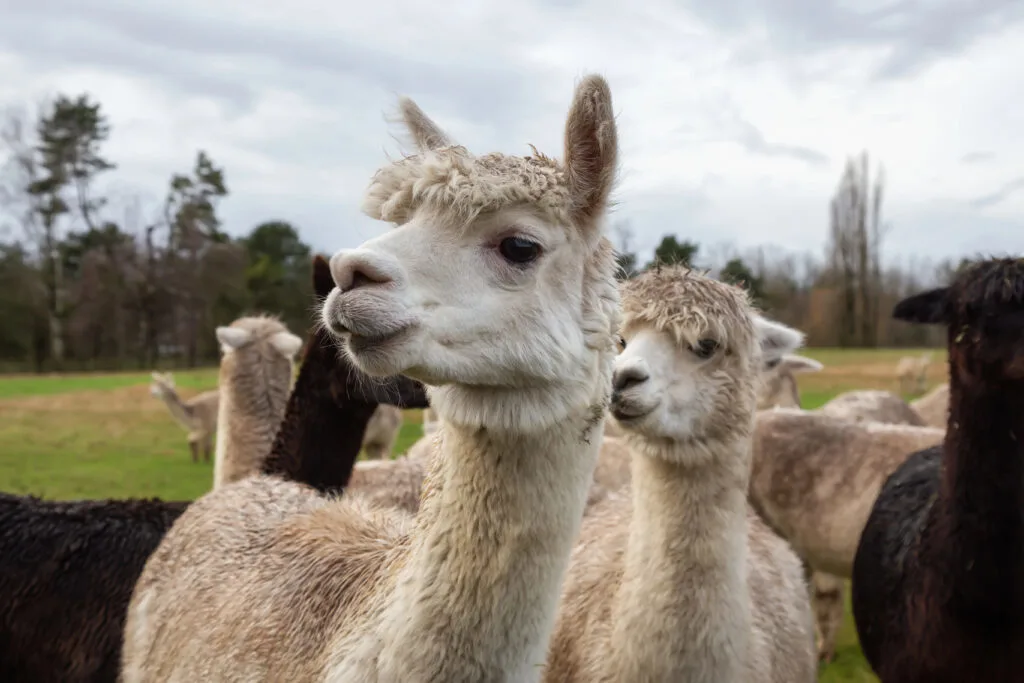
The primary reason many people raise alpacas is for their fleece. Alpaca fiber is highly prized for being soft, lightweight, and hypoallergenic, and it comes in a range of natural colors, from white and beige to various shades of brown, gray, and black. Unlike sheep wool, alpaca fiber is not greasy, which means it doesn’t require intensive washing. After shearing, the fiber can be spun into yarn and used to create garments like sweaters, scarves, and socks, or it can be sold for profit. Many homesteaders enjoy the process of harvesting and processing alpaca fleece, as it offers an opportunity to engage in handcrafts like spinning and knitting, which can be both therapeutic and profitable.
In addition to their fleece, alpacas are known for their friendly and gentle personalities. They are smaller and more manageable than other livestock like cows or horses, making them an ideal choice for homesteaders with limited space. Alpacas are herd animals, meaning they should not be kept alone. At least two alpacas are necessary to keep them happy and healthy, as they form strong bonds with their companions. They are generally calm and easy to handle, but they do have a tendency to be a little skittish at first, especially around unfamiliar people or situations. Once they become accustomed to their environment and their caregivers, alpacas are often affectionate and enjoy gentle interactions.
Alpacas are also relatively easy to care for in terms of their basic needs. They do not require much space, and a small pasture or grazing area will usually suffice. They are primarily grazers, and their diet consists mostly of grass and hay, with occasional supplemental feed like grains. Alpacas are well-suited to most climates, though they should have access to shelter from extreme weather conditions, particularly rain or snow, which can damage their fleece. Their feet are well adapted to various terrains, but they should be monitored for health issues like overgrown hooves or parasites, which can be managed with regular care.
While alpacas do not require daily attention like some other livestock, they do benefit from regular health check-ups. Regular shearing, typically once a year in the spring, is necessary to keep them comfortable and prevent their fleece from becoming matted. Additionally, alpacas need to be vaccinated and dewormed to maintain their health. They also need secure fencing to keep them safe from predators, as their small size makes them vulnerable to animals like coyotes or dogs. Unlike other livestock, alpacas are not prone to aggressive behavior, but they do have a unique defense mechanism: when threatened, they may spit, a behavior used to ward off perceived dangers. This is generally not a problem for most homesteaders, but it’s important to be aware of when interacting with them.
Adding alpacas to your homestead can be a rewarding investment, both for their fiber and as companion animals. Whether you’re interested in the commercial potential of their fleece, the joy of raising them as pets, or the simple pleasure of having these gentle creatures on your property, alpacas can be an excellent addition to your farm. Their calm demeanor, combined with their relatively low-maintenance care requirements, makes them ideal for homesteaders looking to expand their livestock and add a bit of charm to their homestead.
Basic Information: Alpacas are small camelids raised for fiber.
Benefits: Produce luxurious wool and are gentle grazers.
Challenges: Require companionship and regular shearing.
Tips: Start with at least two alpacas for social stability.
13. Donkeys
Adding donkeys to your homestead can be a rewarding and practical decision, as these sturdy and adaptable animals can serve a variety of roles. Known for their gentle, patient nature and strong work ethic, donkeys can be incredibly helpful on a farm, whether you’re using them for companionship, guarding livestock, or as pack animals. They are also valued for their unique personalities, which can bring charm and character to your homestead, making them both functional and enjoyable to have around.
One of the most common reasons homesteaders choose to add donkeys to their property is for their ability to protect livestock. Miniature and standard donkeys, in particular, are often used as guard animals for flocks of sheep, goats, or chickens. Donkeys are naturally protective and territorial, and they have a strong instinct to defend their herd from predators such as coyotes, dogs, and even larger predators like mountain lions. Donkeys will often bond with the other animals in their care and will bravely confront any threats, making them a valuable addition to a homestead with smaller livestock. They are particularly effective when kept with other animals, as their protective instincts are heightened when they have companions to defend.
Donkeys are also excellent pack animals, making them useful for transportation and hauling heavy loads around the homestead. While they are smaller and less powerful than horses, donkeys are incredibly strong for their size and can carry or pull heavy loads over rough terrain. If you have large homestead projects such as hauling firewood, transporting tools, or moving materials around your property, donkeys can be a reliable and eco-friendly option. Their ability to carry packs or pull carts can reduce the strain on machinery and save on fuel costs, making them an ideal choice for homesteaders looking for sustainable alternatives to modern equipment.
In addition to their practical uses, donkeys make wonderful companions. They are known for their calm and gentle demeanor, and many homesteaders find that donkeys provide both joy and emotional support. Unlike horses, donkeys are often less flighty and easier to manage, which makes them great animals for families with children or those new to animal care. Donkeys are highly intelligent and can be trained to follow commands, navigate obstacle courses, or even participate in fun activities like driving a cart. Their quirky personalities and social nature make them entertaining animals to have around, and they tend to form strong bonds with their human caretakers.
Caring for donkeys is relatively straightforward, though they do have some specific needs. Donkeys are hardy animals, capable of thriving in a wide range of climates, but they do require a dry, well-ventilated shelter to protect them from extreme weather conditions like rain or intense heat. They are grazers and need access to good quality pasture or hay, as well as fresh water. Donkeys are prone to obesity if they have access to too much rich food, so it’s important to monitor their diet and ensure they are not overfed, especially if they are not being used for heavy work. Regular hoof care is also essential, as their hooves can become overgrown if not trimmed properly.
Donkeys are generally low-maintenance animals, but they do require regular health checks, including vaccinations and parasite control. It’s also important to provide them with secure fencing to prevent them from wandering off, as they can be escape artists. While donkeys are known for their independence and sometimes stubborn nature, they can also be affectionate and form strong attachments to their caretakers. They are typically friendly and enjoy interaction, often seeking attention from people who are familiar to them.
Incorporating donkeys into your homestead can add both functionality and enjoyment. Whether you’re using them for guarding livestock, as pack animals, or simply as lovable companions, donkeys are adaptable creatures that can help make your homesteading experience more efficient and fulfilling. Their strong work ethic, gentle nature, and unique charm make them an excellent choice for a variety of homestead needs. With the proper care and attention, donkeys can become an integral part of your farm, enhancing both its productivity and its quality of life.
Basic Information: Donkeys are hardy and strong animals often used as guardians.
Benefits: Protect livestock and can be used for light draft work.
Challenges: Require proper training and attention to hoof care.
Tips: Miniature donkeys are a great option for smaller homesteads.
14. Horses
Adding horses to your homestead can be a significant but highly rewarding decision. Horses bring a sense of tradition, beauty, and versatility to a homestead, serving as both working animals and companions. Whether you choose to raise horses for riding, farming, or just for their companionship, these magnificent creatures can greatly enhance your homesteading experience, offering a range of benefits that go beyond their majestic presence.


One of the primary reasons many homesteaders choose to add horses is for their work potential. Horses have been used for centuries as draft animals, helping with tasks such as plowing fields, hauling heavy loads, and pulling carts or wagons. In modern homesteading, horses can be a valuable alternative to tractors and other machinery, especially if you’re looking to maintain a more sustainable and low-impact lifestyle. Draft horse breeds like Percherons, Belgians, and Clydesdales are particularly known for their strength and ability to handle heavy work, while lighter breeds like Quarter Horses or Standardbreds can be used for tasks that require more agility or speed. Having a horse capable of helping with farm work can significantly reduce your reliance on gasoline-powered equipment and promote a more self-sufficient homestead.
Beyond farm work, horses are also incredibly useful for transportation. In some homesteads, particularly those in more remote areas, a horse can provide an eco-friendly and practical means of getting around. They can be used for riding across large properties or to travel longer distances when roads are inaccessible by car or tractor. Horses also make great animals for recreational riding, offering opportunities for exercise, relaxation, and enjoyment of the outdoors. For homesteaders who have children or enjoy outdoor activities, riding horses can become a cherished part of life on the farm, offering a sense of freedom and connection with nature.
Horses can also serve as a valuable addition to a homestead for breeding and raising foals. If you’re interested in horse breeding, adding horses to your homestead can provide an income stream through the sale of foals, particularly if you raise sought-after breeds. Foals require significant care and attention, but watching them grow and develop into strong and capable animals can be incredibly rewarding. Horse breeding also offers an opportunity for homesteaders to become more involved in animal husbandry, learning about genetics, health care, and training techniques.
However, horses come with specific care requirements that need to be carefully considered before adding them to your homestead. Unlike smaller livestock like goats or chickens, horses require a considerable amount of space, ideally a large pasture to graze on. They also need shelter from extreme weather conditions, such as a run-in shed, barn, or stable. Horses require a balanced diet consisting of hay, pasture, and sometimes grain, and they should always have access to fresh water. They also need regular hoof care, including trimming every six to eight weeks, as well as vaccinations, deworming, and routine health check-ups from a veterinarian.
Another important consideration is the cost and time commitment involved in caring for horses. They can be expensive to maintain, especially when factoring in feed, equipment, veterinary care, and training. Horses are also social animals and generally do better when kept with other horses or livestock for companionship. If you only have one horse, you may need to provide extra attention to ensure it stays mentally and emotionally healthy. Additionally, horses require consistent training and exercise to keep them well-behaved and in good physical condition. This can be a time-consuming task for those who are not experienced with horse care or riding.
Incorporating horses into your homestead can enhance both its functionality and the overall enjoyment of farm life. From draft work and transportation to recreational riding and breeding, horses offer a diverse range of benefits that can improve the productivity and quality of life on your homestead. While they do require time, attention, and resources, the rewards of raising and caring for horses can be immense. With the proper preparation and commitment, horses can become an integral part of your homestead, helping to make it more sustainable, productive, and enjoyable.
Basic Information: Horses are versatile animals used for riding and draft work.
Benefits: Provide transportation and can be used for plowing.
Challenges: High feed and care requirements.
Tips: Draft breeds like Percherons are excellent for work.
15. Quail
Adding quail to your homestead can be a great way to diversify your livestock while benefiting from their eggs, meat, and natural behavior as foragers. Quail are small, hardy birds that require minimal space, making them an ideal choice for homesteaders with limited land or those living in more urban or suburban areas. Their gentle nature and relatively low-maintenance care make them an appealing option for both beginner and experienced homesteaders alike.
One of the main advantages of raising quail is their ability to produce a steady supply of eggs, which are smaller but considered a delicacy by many. Quail eggs are often prized for their rich flavor and nutritional value, and they can be used in a variety of culinary applications. Whether you enjoy pickling them, frying them up for a breakfast dish, or incorporating them into gourmet recipes, quail eggs are a valuable addition to your homestead’s food production. Quail are prolific layers, and many species will lay up to 300 eggs per year, providing you with a reliable source of eggs throughout the year. These eggs can be sold or used for personal consumption, making them an attractive option for homesteaders looking to increase food security.
In addition to their eggs, quail can be raised for their meat, which is lean, flavorful, and considered a delicacy in many cuisines. Unlike larger poultry like chickens, quail reach maturity quickly, often being ready for harvest in just six to eight weeks. This makes them a quick-turnaround meat source for homesteaders looking to supplement their diet or offer homegrown protein to friends and family. Quail meat is high in protein and low in fat, making it a healthy option for homesteading families. Due to their small size, quail can be raised in smaller spaces, and even homesteaders with limited land can enjoy a steady supply of fresh meat without requiring extensive land or facilities.
Quail are also excellent foragers, which makes them a great option for natural pest control. They will eat insects, seeds, and weeds, helping to manage pests like ants, beetles, and grasshoppers, as well as unwanted vegetation. When free-ranging, quail will scratch and peck at the ground, helping to aerate the soil and keep it healthy. However, because of their small size and vulnerability to predators, quail are often kept in secure pens or aviaries to protect them. If you’re looking to provide your quail with outdoor access, a predator-proof enclosure with adequate space for foraging and roosting is essential.
Caring for quail is relatively simple, but they do have some specific needs. They require a safe, secure housing environment to protect them from predators like raccoons, foxes, and hawks, as well as to keep them from escaping, as quail are flighty and tend to be more skittish than chickens. A small coop or pen with proper ventilation is usually sufficient for a small flock, and they do not require much space, making them perfect for homesteads with limited acreage. Quail are hardy birds and can thrive in a variety of climates, but they do need to be protected from extreme weather conditions, particularly cold, wet environments, which can lead to health issues. They should have access to clean water and a balanced diet of grains, seeds, and fresh greens, and regular cleaning of their enclosure is necessary to maintain good hygiene.
While quail are relatively easy to care for, they do have a few unique behaviors that need to be understood for successful management. They can be quite sensitive to stress, so it’s important to handle them gently and provide them with a quiet, calm environment. They can be kept in small groups, but overcrowding should be avoided, as this can lead to aggression and health problems. Quail do best when housed in groups of six to twelve birds, which provides them with the social structure they need to feel secure. Regular health checks are also important, including monitoring for parasites and ensuring that the birds have a clean, dry environment.
Adding quail to your homestead offers numerous benefits, from the production of eggs and meat to natural pest control. Their small size and low-maintenance care make them a perfect fit for those with limited space or time, and they are a great option for homesteaders looking to diversify their food production and create a more sustainable lifestyle. With proper care and attention, quail can become a valuable addition to your homestead, providing both practical and culinary rewards.
Basic Information: Quail are small birds known for their eggs and meat.
Benefits: Require minimal space and produce quickly.
Challenges: Delicate and need predator-proof housing.
Tips: Coturnix quail are beginner-friendly.
16. Peafowl
Adding peafowl, commonly known as peacocks and peahens, to your homestead can be a unique and beautiful way to enhance your property. Known for their stunning plumage and majestic display, peafowl are not only admired for their beauty but also serve practical roles around the homestead. Whether you’re drawn to their ornamental value or are interested in their meat and eggs, raising peafowl can bring both charm and utility to your farm.

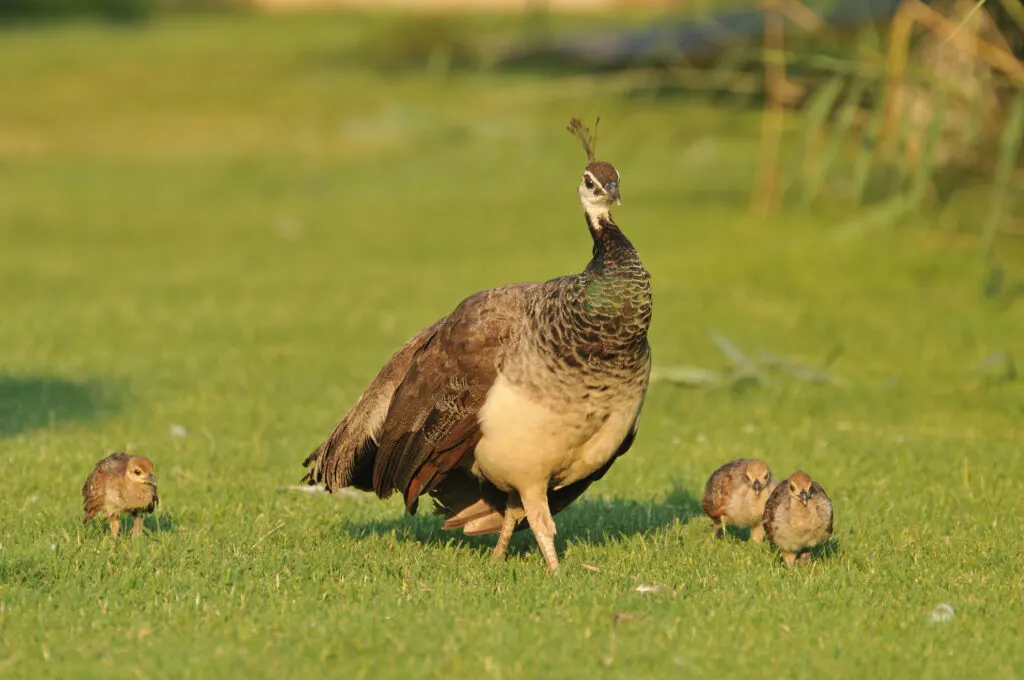
One of the main reasons homesteaders choose to raise peafowl is for their striking appearance. Male peafowl, or peacocks, are famous for their iridescent tail feathers, which they fan out in a stunning display during mating season. This beautiful plumage can be a highlight of your homestead, providing a natural spectacle that draws attention and admiration from visitors. Peafowl are also often used as ornamental birds, adding a sense of elegance and grace to gardens, yards, or open fields. Their vibrant colors and majestic posture make them a natural focal point in any homestead landscape.
Beyond their aesthetic value, peafowl can be valuable in terms of their eggs and meat. While not as prolific as chickens, peahens will lay eggs, typically producing a clutch of around 10-12 eggs in the spring or early summer. These eggs are larger than chicken eggs and have a richer flavor, making them a unique addition to your homestead’s egg supply. However, it is important to note that peahens are less likely to lay as consistently as chickens, and their egg production is usually seasonal. For homesteaders looking for diversity in their egg offerings, peafowl eggs can be a special treat.
The meat of peafowl is also a sought-after commodity, especially among those who enjoy raising game birds. The flavor is often described as rich and gamey, similar to pheasant or turkey, and it can be a delicacy for those looking to diversify their meat sources. Peafowl grow slowly, so they aren’t as quick to produce as other poultry like chickens, but they can be a flavorful addition to the homestead’s meat supply when raised for this purpose. Harvesting peafowl for meat does require some knowledge and care, as their meat is prized but can be more delicate and less forgiving in terms of processing than other birds.
Peafowl also offer a range of benefits in terms of natural pest control. They are excellent foragers and will eat insects, seeds, and small vegetation, helping to keep unwanted pests like ticks, beetles, and grasshoppers in check. This makes them a great addition to homesteads with gardens, orchards, or pastureland. While they can be a bit more challenging to manage than chickens, especially when it comes to securing them within a fence (as they are capable of flying short distances), their pest control abilities can help reduce the need for chemical treatments in your yard or garden.
Caring for peafowl does come with some specific needs. Peafowl are hardier than chickens in many respects but require more space to roam. They are larger birds that need room to forage, exercise, and display their impressive tail feathers. It’s best to provide them with a spacious, safe enclosure or allow them to roam freely on a large, fenced property. However, because they are capable of flight, a secure, high fence is necessary to keep them from flying off the property or being attacked by predators. Peafowl are also social animals, so it is important to keep at least one male and one female together to ensure they are happy and healthy.
While peafowl are generally hardy and low-maintenance, they do need protection from extreme weather conditions. They should be provided with shelter, such as a coop or barn, where they can stay warm in the winter and cool during the summer. A nesting area for the peahens to lay their eggs is also essential. Regular health checks, including parasite control and monitoring for diseases, are necessary to maintain a healthy flock. Peafowl are more vulnerable to predators, such as foxes, raccoons, and birds of prey, so ensuring their safety from wildlife is crucial.
Adding peafowl to your homestead can be an enriching experience, offering both practical benefits and visual beauty. Their ability to control pests, provide eggs and meat, and serve as ornamental birds can enhance your property in a variety of ways. While they require specific care, such as ample space and protection from predators, the rewards of raising peafowl can be well worth the effort. With their vibrant feathers, majestic displays, and diverse contributions, peafowl can become a cherished addition to your homestead.
Basic Information: Peafowl are ornamental birds with striking plumage.
Benefits: Natural pest control and aesthetic appeal.
Challenges: Noisy and require space.
Tips: Ideal for larger homesteads seeking ornamental value.
17. Fish (Aquaculture)
Adding fish as an aquaculture component to your homestead can be a highly productive and sustainable way to diversify your food sources. Aquaculture, or the practice of farming fish in controlled environments, offers homesteaders a unique opportunity to produce high-quality protein while utilizing available water resources efficiently. Whether you opt for freshwater species like tilapia, catfish, or trout, or prefer saltwater varieties if you live in coastal areas, incorporating fish farming into your homestead can have numerous benefits and provide both financial and ecological advantages.
One of the key advantages of raising fish on your homestead is the potential for a sustainable, low-input food source. Fish farming typically requires less land and water than traditional livestock farming, making it an ideal option for homesteaders with limited space or resources. Fish can be raised in various systems, from simple backyard ponds and tanks to more sophisticated recirculating aquaculture systems (RAS), which reuse water and can be highly efficient in terms of both space and water usage. This makes aquaculture particularly appealing for those looking to reduce their environmental impact while still providing their family with fresh, homegrown protein.
The benefits of aquaculture go beyond just providing food. Fish farming can be an effective means of utilizing water resources in a sustainable way. If you have access to a pond or a small lake on your property, you can turn it into a productive fishery by stocking it with suitable fish species. The waste produced by the fish can be used to fertilize plants in a well-designed integrated system, creating a mutually beneficial environment where fish, plants, and the surrounding ecosystem all thrive. This type of aquaponics system, where fish farming and plant cultivation are integrated, can help reduce the need for chemical fertilizers and create a closed-loop system that increases your overall homestead’s sustainability.
Fish are also highly nutritious, offering a rich source of protein, omega-3 fatty acids, and essential vitamins and minerals. Raising your own fish ensures that you have a reliable, fresh, and affordable source of high-quality food that can complement your homestead’s other food production efforts. Tilapia, catfish, and trout are all fast-growing species that can be ready for harvest within several months to a year, depending on the species and growing conditions. In addition to providing a source of meat for your family, fish can be sold to local markets, restaurants, or through community-supported agriculture (CSA) programs, offering potential income for your homestead.
While fish farming can be rewarding, it does come with specific considerations and challenges. First and foremost, you need to ensure that the water conditions are optimal for your chosen fish species. This means regularly monitoring water quality, including temperature, pH levels, oxygen content, and ammonia levels, to ensure the health and well-being of your fish. If you choose to raise fish in tanks or a recirculating system, you’ll need to invest in filtration equipment to keep the water clean and maintain a healthy environment. If you’re using natural ponds or lakes, maintaining water quality through proper stocking rates, aeration, and management of plant and algae growth is important.
Another consideration when adding fish farming to your homestead is the potential for predators. Fish ponds and tanks can attract animals like herons, raccoons, and otters, which may try to prey on your fish. Building secure enclosures, adding netting, or using motion-sensitive devices can help protect your investment in fish farming. Additionally, depending on the species you choose, there may be regulations governing fish farming in your area. It’s important to check with local authorities to ensure that you comply with any laws regarding fish stocking, water usage, and waste disposal.
Lastly, while fish farming can be a highly productive addition to your homestead, it does require time and attention to detail. Regular feeding schedules, water quality monitoring, and overall care are essential to ensure the success of your aquaculture operation. However, with the right setup and proper management, raising fish can be a low-maintenance and highly rewarding endeavor that enhances your homestead’s self-sufficiency.
Incorporating fish into your homestead through aquaculture can be a smart and sustainable way to increase food production and make use of available resources. Whether you choose to farm fish in a pond, tank, or integrated system, the rewards can be significant, providing a fresh, healthy food source while reducing your ecological footprint. With careful planning, attention to water quality, and protection from predators, fish farming can become an integral and profitable part of your homesteading journey.
Basic Information: Fish farming involves raising species like tilapia or trout.
Benefits: Sustainable protein source and water fertilization for plants.
Challenges: Requires water management and specific conditions.
Tips: Pair with aquaponics for a full ecosystem.
18. Cats
Adding cats to your homestead can be a smart and enjoyable way to enhance your farm’s ecosystem while providing companionship and help with pest control. While cats are often seen as beloved pets, their practical role on a homestead should not be underestimated. They are natural hunters and excellent at managing populations of rodents, which can be a constant problem on farms, especially in barns, storage sheds, and grain silos. By having cats around, you can reduce the need for chemical pest control, creating a more sustainable and natural environment for your homestead.
One of the primary reasons for adding cats to a homestead is their ability to keep rodents in check. Mice, rats, and other small pests can cause significant damage to crops, stored food, and even equipment, making pest management crucial for any farm. Cats are skilled hunters and often prefer hunting small animals over eating commercially produced food. Their presence alone can be a strong deterrent to rodents, as they tend to avoid areas where cats are active. Cats will typically patrol barns, fields, and other outbuildings, providing a natural form of pest control that doesn’t rely on toxic traps or chemicals. This can be particularly beneficial for homesteaders who are focused on organic practices and prefer to avoid pesticides.
In addition to their role in pest control, cats can also offer valuable companionship. While they are independent creatures, cats can form close bonds with their owners and are often affectionate, especially when they feel comfortable and secure in their environment. Cats are less demanding than dogs and are generally content to roam the property at their own pace. They are also known to be relatively low-maintenance, requiring only basic care such as regular feeding, access to fresh water, and a safe shelter. For homesteaders looking for an animal that doesn’t require constant attention but still offers emotional support, cats can be the perfect fit.
Cats are also incredibly adaptive animals, capable of thriving in a variety of climates and environments. They do not need a large space to roam, and as long as they have access to a safe, warm shelter, they can be comfortable even in harsh conditions. Many homesteaders choose to provide a cozy outdoor shelter, such as a small barn or shed, where the cats can rest, especially during winter months or storms. They are also capable of fending for themselves by hunting or scavenging, but they will benefit from regular meals and fresh water provided by their caretakers.
When adding cats to your homestead, it’s important to ensure their health and safety. Regular veterinary checkups, vaccinations, and parasite control (such as flea and tick treatments) are essential to keeping your cats healthy. It’s also a good idea to have your cats spayed or neutered to help control the population and reduce the risk of unwanted litters. While cats are natural hunters, they should still be provided with some form of shelter and food to ensure they remain healthy and active. Depending on your homestead’s setup, you may want to create a designated area for them to eat and sleep, especially if you’re managing a larger farm with multiple buildings or outbuildings.
Cats do have a tendency to roam, so it’s essential to be aware of potential dangers on your homestead. If you live in an area with large predators, such as coyotes, foxes, or birds of prey, it’s important to ensure your cats have secure access to shelter where they can retreat from danger. Some homesteaders build secure outdoor “catios” or enclosures to give their cats safe outdoor access while keeping them protected from threats. Additionally, if you plan to keep your cats indoors, they can still be beneficial as companions and deterrents to smaller pests.
While adding cats to your homestead can bring a range of benefits, they also require responsible care. Ensuring they have proper nutrition, health care, and shelter is important for their well-being. However, their natural hunting instincts and independent personalities can make them valuable members of your homestead, particularly when it comes to managing pests and providing a sense of companionship. Whether you choose to adopt a single cat or a small colony of barn cats, they can play a vital role in maintaining the health and productivity of your homestead while enriching your daily life.
Basic Information: Cats are independent animals often kept for companionship.
Benefits: Excellent rodent control.
Challenges: Can pose a risk to poultry.
Tips: Raise barn cats for their natural hunting instincts.
19. Dogs
Adding dogs to your homestead can bring numerous benefits, from enhancing security to helping with livestock management and providing companionship. Dogs have been working alongside humans for thousands of years, serving in various roles that make them valuable partners on the farm. Whether you’re looking for a herding dog, a livestock guardian dog, or simply a loyal companion, there’s a breed or type of dog suited for almost every homesteading need.

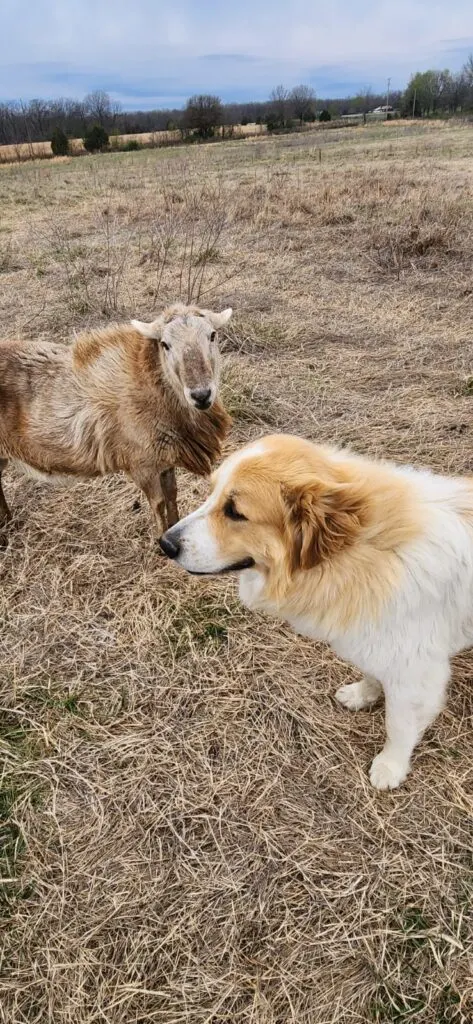
One of the most important roles dogs can play on a homestead is as a livestock guardian dog (LGD). These dogs are bred specifically to protect livestock from predators such as coyotes, wolves, foxes, and even domestic dogs. LGDs, including breeds like Great Pyrenees, Maremma, and Anatolian Shepherds, are naturally protective and tend to bond closely with the animals they are tasked with guarding. They are known to patrol the perimeter of the property, alerting their owners to any threats and preventing predators from coming too close. LGDs can be especially helpful for homesteaders who raise poultry, sheep, goats, or cattle, as they help keep these animals safe and reduce the need for fencing or other protective measures.
Dogs can also play an important role in herding and managing livestock. Breeds like Border Collies, Australian Shepherds, and Kelpies are known for their intelligence and ability to work in partnership with humans to herd sheep, cattle, or other livestock. These dogs excel in guiding and moving animals from one place to another, and their agility and quick learning make them invaluable when it comes to managing large herds or flocks. Whether you need help moving animals to new pasture, guiding them into barns or pens, or just organizing the animals for routine care, herding dogs can be a tremendous asset to a homesteader’s daily operations.
Another benefit of having dogs on the homestead is their ability to provide protection and alert their owners to intruders or dangerous situations. Dogs are naturally protective and can serve as watchdogs, alerting you to anything unusual or threatening around your property. Whether it’s a potential burglar, a wild animal, or a person trespassing on your land, a dog’s keen senses and protective instincts can make them an excellent first line of defense. Their presence alone can often deter unwanted visitors, providing a sense of security for your homestead. Additionally, dogs are often highly attuned to their owners’ emotions and can offer comfort and companionship during stressful times.
Beyond their practical roles, dogs also make wonderful companions, offering loyalty and affection. They can be excellent family pets, forming strong bonds with children and adults alike. Having a dog around can also provide emotional benefits, helping reduce stress and loneliness. Dogs are known for their ability to sense their owners’ moods, and their loyalty and love can be an immense source of comfort and joy. Homesteaders can benefit from the companionship and sense of purpose that comes with caring for a dog, especially during the long hours spent working on the property.
However, adding dogs to your homestead does come with responsibilities. Dogs require daily care, including feeding, exercise, grooming, and attention. Depending on the breed, some dogs may require more space to run and play, so it’s important to ensure that your property provides adequate room for them to move around. It’s also essential to train your dogs properly, especially if they are being used for herding or guarding livestock. Training helps ensure that your dogs understand their roles and are well-behaved around animals and people. Regular vet check-ups, vaccinations, and preventative care are also crucial to keep your dog healthy and happy.
If you’re planning to keep dogs as part of your homestead, it’s important to consider the specific breed’s characteristics and how they will fit into your lifestyle. Some dogs require more exercise and mental stimulation than others, so it’s important to choose a breed that matches your homesteading needs and the time you can dedicate to their care. Whether you’re looking for a hardworking LGD, an energetic herding dog, or a laid-back companion, dogs can bring significant value to your homestead, contributing not only to its security and productivity but also to the overall well-being of the homesteader and their family.
Incorporating dogs into your homestead can enhance your quality of life in many ways. From offering protection and security to helping manage livestock and providing companionship, dogs play an important role on the farm. With the right training, care, and attention, dogs can become integral members of your homestead, making them valuable and cherished additions to your farm’s operations.
Basic Information: Dogs are loyal companions and protectors.
Benefits: Guard livestock and provide companionship.
Challenges: Require training and care.
Tips: Consider livestock guardian breeds like Great Pyrenees.
20. Worms (Vermiculture)
Adding worms to your homestead through vermiculture, or worm farming, is an excellent way to improve soil health, reduce waste, and create nutrient-rich compost for gardening. Vermiculture is the practice of cultivating worms, typically red wigglers, to break down organic waste into high-quality compost. This process not only helps you manage food scraps and yard waste but also provides you with valuable resources to support your homestead’s sustainability goals.
One of the primary benefits of vermiculture is the production of vermicompost, also known as worm castings. These castings are rich in nutrients and beneficial microbes that improve soil structure, promote healthy plant growth, and enhance the overall fertility of your garden soil. Unlike traditional composting, which can take months to fully break down, worm castings are produced quickly and can be added directly to your garden or potted plants. This makes vermiculture an efficient and continuous source of organic fertilizer, which can reduce the need for chemical fertilizers and help create a healthier, more sustainable growing environment.
In addition to producing vermicompost, worms can also help manage waste on the homestead. By setting up a worm bin or outdoor worm farm, you can recycle food scraps, such as fruit and vegetable peels, coffee grounds, and eggshells, into valuable compost. This process significantly reduces the amount of organic waste that ends up in landfills or compost piles, helping to lower your carbon footprint and promote a zero-waste lifestyle. Worms can consume a variety of organic materials, including paper, cardboard, and yard waste, breaking them down into nutrient-rich compost that can be used to nourish your homestead’s gardens, flower beds, and crops.
Worms are also a great source of protein for livestock and poultry. The worms produced in your vermiculture system can be fed to chickens, ducks, and even fish, providing a natural supplement to their diet. Worms are packed with protein and essential fatty acids, making them an excellent, sustainable food source for animals. Raising worms on your homestead offers a way to diversify your animal feed, which is especially beneficial for homesteaders looking to lower their dependence on commercial animal feed or create a more closed-loop system on the farm.
Setting up a worm farm is relatively simple, and it requires very little space, making it a perfect addition for homesteaders with limited land. You can start with a small indoor worm bin or scale up to an outdoor system, depending on the amount of organic waste you want to process. The basic requirements for a successful worm farm are proper ventilation, moisture control, and a suitable bedding material such as shredded newspaper, cardboard, or coconut coir. Red wigglers, the most commonly used species for vermiculture, thrive in dark, damp environments and can live in a variety of containers, including plastic bins, wooden boxes, or even dedicated outdoor compost piles.
While worms are relatively low-maintenance, they do require some care to keep them healthy and productive. Regular feeding and monitoring of moisture levels are essential to prevent the bin from becoming too dry or too wet. Worms need to be fed organic waste in moderation, and overfeeding can lead to unpleasant odors and poor conditions for the worms. It’s also important to ensure that the worms are not exposed to extreme temperatures, as they prefer cool, consistent conditions. With the right care and attention, a worm farm can thrive and provide your homestead with a steady supply of compost, fertilizer, and even animal feed.
Incorporating worms into your homestead through vermiculture can be a highly rewarding and sustainable practice. Not only will it help you reduce waste and improve your soil health, but it will also create a valuable resource that supports your homestead’s food production and reduces your reliance on external inputs. Whether you’re looking to enrich your garden, create a sustainable animal feed source, or simply reduce your environmental impact, adding worms to your homestead can be a simple yet powerful way to improve the overall sustainability and productivity of your farm.
Basic Information: Worms are raised for composting.
Benefits: Produce nutrient-rich soil amendments.
Challenges: Require specific conditions for optimal performance.
Tips: Start with red wigglers in a simple bin system.
Conclusion
Choosing the right animals for your homestead is a crucial step toward building a sustainable and productive lifestyle. Each animal has unique traits, benefits, and challenges, so consider your specific needs, space, and resources before deciding.
By starting with just a few well-suited animals, you can gradually expand and create a thriving homestead ecosystem. Which animals will you add to your homestead first?


Charlene has been dabbling in and learning about the homesteading lifestyle for almost 20 years. She recently started a real-world homestead with her extended family and is excited to share 20+ years of knowledge and experience with the world!
While she certainly doesn't know everything about homesteading and is learning more every day, she is excited to learn and grow along with YOU!
Charlene blogs about about homesteading at https://secretlifeofhomesteaders.com/.