
In an era where sustainability and self-sufficiency are increasingly important, the practice of harvesting native plants and herbs for homesteading income and medicinal benefits offers a unique blend of ecological stewardship and economic opportunity.
This comprehensive guide will explore the rich tapestry of native flora that can be sustainably harvested to not only supplement your family’s health but also generate additional income.
From the versatile healing powers of Yarrow to the immune-boosting properties of Elderberry, each plant holds a treasure trove of benefits waiting to be unlocked. Join us on this journey to discover how you can integrate these natural resources into your homesteading lifestyle for both health and financial gain.
This article may contain affiliate links. Please see our disclosure policy for more details.
Introduction to Native Plants and Herbs
Native plants and herbs are species that have naturally evolved and adapted to a specific region over thousands of years. They thrive in their local environments without the need for extensive human intervention, such as extra watering or chemical fertilizers. These plants are typically well-suited to the soil types, climate conditions, and ecosystems of their native areas.
Native plants and herbs often play crucial roles in maintaining biodiversity, supporting local wildlife, and helping to preserve the ecological balance of their habitats. Additionally, many of these plants offer medicinal, nutritional, and economic benefits, making them valuable resources for sustainable living and homesteading practices.
Understanding the Value of Native Plants and Herbs
Did you know that the secret to easy, pain-free gardening is to focus on only growing native plants? It doesn’t matter how terrible your green thumb is – if you have native plants in your garden, you are sure to have an easier time than if you tried to fight your native climate and force non-native plants to grow.
But beyond being easier for gardeners (and non-gardeners) to grow, what is the value of native plants?
Understanding the value of native plants and herbs begins with recognizing their inherent adaptability to local conditions, which allows them to thrive with minimal human intervention. These plants are vital for preserving ecological balance, as they provide essential habitats and food sources for native wildlife.
Additionally, native plants often possess unique medicinal and nutritional properties that have been utilized by indigenous cultures for generations. Their low maintenance requirements and resilience against pests make them a sustainable choice for homesteaders looking to cultivate a garden that’s both environmentally friendly and beneficial.
By appreciating and utilizing native plants and herbs, we not only support biodiversity but also tap into a rich legacy of natural wellness and self-sufficiency.
Sustainable Harvesting Practices: Ensuring Longevity
When it comes to gathering native plants and herbs, sustainable harvesting practices are the way to go for keeping things green and plentiful. After all, what good does enjoying a native plant this year do you if you destroy the plant and leave nothing for the next year?
Think of it like picking berries – you want to take some but leave plenty behind so the plants can keep growing and thriving. By rotating your harvest spots, only taking what you need, and timing it right, you’re helping ensure that these natural treasures stick around for the long haul.
It’s all about striking a balance – enjoying nature’s bounty while making sure future generations can do the same. Plus, it feels pretty good knowing you’re doing your part to keep the ecosystem happy and healthy!
Our Favorite Oklahoma Native Plant
Since we live in Northeast Oklahoma, we will begin this guide by focusing on plants that are native to Oklahoma and the Ozark Mountains. However, this does not mean you have to live in Oklahoma to enjoy this series. Many of these plants are also native to other parts of the country, and even world! I’ll do my best to include a quick blurb about all the areas each plant is native to as I go through each one.
And as time goes on, I will branch out in this series and write about plants that are local to other areas as well. So stay tuned!
(note – this is an ongoing series. I have written a lot so I don’t lose my ideas and train of thought but not everything is linked yet. If there’s no link today, it means that article is in the works so check back in a week or two! And of course I’ll be adding even more Oklahoma native plants as time allows.)
- Yarrow: The Versatile Healer (We’ll dive into identifying and harvesting Yarrow, Yarrow’s medicinal properties and uses, and turning Yarrow into a homesteading income source.)
- Elderberry: A Potent Immune Booster (We’ll take a look at foraging Elderberry tips and tricks, health benefits of Elderberry, and creating products from Elderberry for profit.)
- Clover: Beyond the Lucky Charm (Learn about spotting and collecting Clover, Clover’s nutritional and medicinal benefits, and innovative ways to monetize Clover.)
- Dandelion: The Misunderstood Herb (Take a look at how to recognize and harvest dandelion, Dandelion’s health benefits and applications, and of course, how to profit from Dandelion-based products.)
- Mullein: The Respiratory Remedy (Learn how to identify and gather Mullein, medicinal uses of Mullein for family care, and monetizing Mullein for homesteading income.)
Expanding Your Herb Garden
Expanding your herb garden can be a super fun and rewarding project! Imagine having an even wider variety of fresh flavors and natural remedies right at your fingertips. Start by trying out a few new herbs that catch your eye – maybe some lemon balm for a refreshing twist or chamomile for soothing teas. While you’re at it, consider adding other beneficial native plants like echinacea or yarrow, which are great for both the garden and your health.
When it comes to cultivating your expanded garden, stick to best practices like choosing the right spot with plenty of sunlight, using well-draining soil, and watering wisely. Don’t worry if you don’t have a ton of space; many herbs do great in pots or small garden beds. With just a little bit of planning and care, you’ll soon have a lush, diverse herb garden that’s the envy of your friends and a delight to your taste buds!
Turning Harvests into Profits
Turning your herb harvests into profits can be a really exciting venture! Start by getting creative with your product ideas – think herbal teas, infused oils, handmade soaps, or even beautifully packaged dried herbs. These unique items can make fantastic gifts and stand out in the market. When it comes to selling, explore local farmers’ markets, craft fairs, and online platforms like Etsy to reach a broader audience.
Marketing your herbal products effectively is key to success. Share your story and the benefits of your products through engaging social media posts, eye-catching photos, and maybe even a blog or YouTube channel. People love knowing who they’re buying from and why your products are special. With a bit of creativity and some savvy marketing, you’ll be well on your way to turning those garden goodies into a profitable business!
Long-Term Benefits of Harvesting Native Plants and Herbs
Harvesting native plants and herbs offers a treasure trove of long-term benefits. These plants, being naturally adapted to the local environment, require less water and fewer pesticides, making them an eco-friendly choice. Over time, you’ll notice that your garden becomes more resilient and balanced, supporting local wildlife and promoting biodiversity.
Plus, by cultivating and using these native species, you’re tapping into a rich legacy of natural wellness, benefiting from medicinal and nutritional properties passed down through generations. Ultimately, harvesting native plants and herbs can lead to a healthier ecosystem and a more sustainable lifestyle for you and your community.
Resources for Continued Learning and Growth
Embarking on a journey of continued learning and growth has never been easier with the wealth of resources available today.
Dive into online courses and webinars that cover everything from sustainable gardening practices to advanced herbal medicine. Join local gardening clubs or community workshops to connect with like-minded enthusiasts and exchange knowledge.
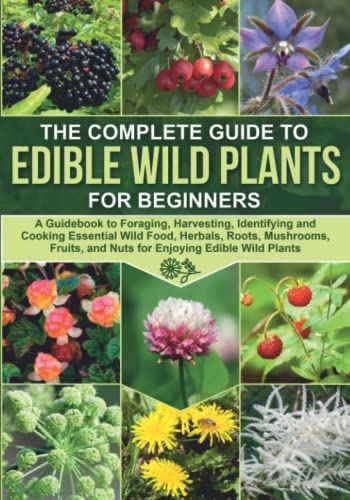
THE COMPLETE GUIDE TO EDIBLE WILD PLANTS FOR BEGINNERS: A Guidebook to Foraging, Harvesting, Identifying and Cooking Essential Wild Food, Herbals, … Wild Plants (Long-Term Cheap Storage Pantry)Herbalism and Natural Remedies for Beginners & Foraging Wild Edible Plants: 2-in-1 Compilation | Field Guide to Overcoming Common Ailments from Home & … and Preparing Edible Wild Plants and Herbs
Common Edible and Medicinal Backyard Herbs in the Southeastern U.S.: Don’t fight your weeds, eat them!
The Complete Guide to Edible Wild Plants, Mushrooms, Fruits, and Nuts: Finding, Identifying, and Cooking (Guide to Series)
The Complete Guide to Edible Wild Plants


One of my favorite local resources is Dr. Taylor Goodwin, N.D. He is a Naturopath in Jay, Oklahoma and when he’s not seeing patients, he’s traveling around Northeast Oklahoma and Northwest Arkansas teaching classes about herbalism and medicinal plants. He offers free and paid options and all of them are phenomenal. Check out his website Inner Vector Naturopaths, click on events, and see if there are any near you!
Don’t forget about the treasure trove of books, podcasts, and blogs dedicated to expanding your understanding of plants and herbs. Dr. Goodwin recommended a few great ones to me, which I have linked below. But there are dozens upon dozens of other options if you’re just willing to take a look.
Eat the Weeds: A Forager’s Guide to Identifying and Harvesting 274 Wild Foods

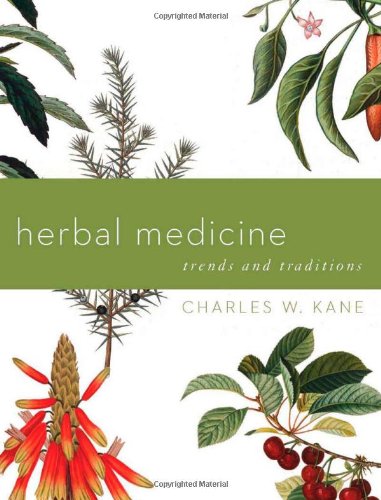
- Herbal Medicine: Trends and Traditions (A Comprehensive Sourcebook on the Preparation and Use of Medicinal Plants) (by Charles W. Kane)
By tapping into these diverse resources, you’ll constantly discover new techniques and insights, ensuring you stay inspired and informed on your path to personal and professional growth.