
Here at Secret Life of Homesteaders, we believe there is never a wrong time to garden. That’s why we almost always begin germinating seeds in Winter.
Winter is often considered a time of rest and dormancy in the garden. However, for many gardeners, it’s actually the perfect time to start germinating seeds.
Whether you’re planning a winter garden with frost-tolerant plants or getting a head start on your spring garden, here’s a comprehensive guide to successfully germinate seeds during the chilly season.
This article may contain affiliate links. Please see our disclosure policy for more details.
Understanding Seed Germination
Before diving into the process, it’s essential to understand what seed germination is. Germination is the process by which a plant grows from a seed. It involves the awakening of the seed (embryo) and its growth into a seedling.
Germination requires the right conditions: moisture, warmth, and sometimes light. Winter doesn’t typically provide these conditions naturally, so you’ll need to create them indoors.
Selecting the Right Seeds
Not all plants are suitable for winter sowing. If you’re planning a winter garden, choose plants that can tolerate the cold. Some vegetables like kale, spinach, and peas can germinate in cooler temperatures.


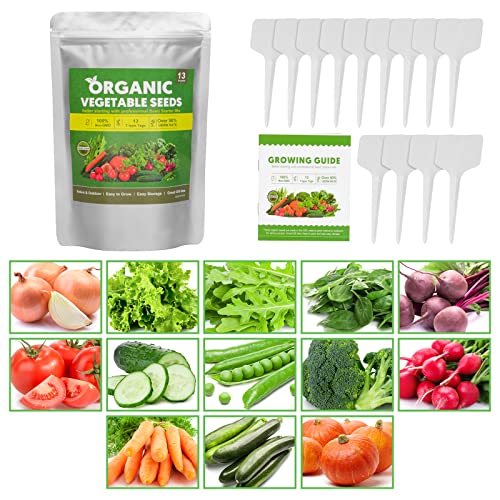


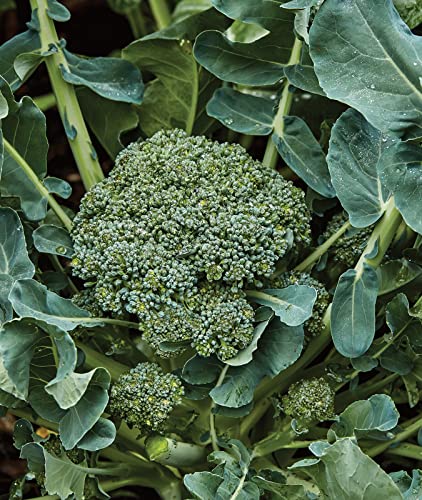
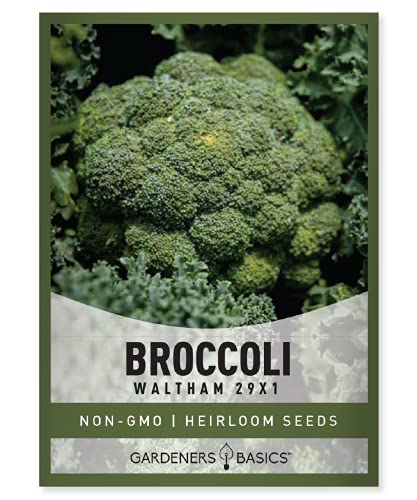
For a spring garden, select plants that have a long growing season or require stratification (a period of cold to break dormancy). Tomatoes, peppers, broccoli, and cabbage are good options.
Indoor Seed Starting
One of the most straightforward methods to germinate seeds in winter is to do it indoors. Here’s how:
1. Gather Your Supplies: You’ll need seeds, seed trays or pots, seed compost, and a heated propagator or heat mat.
2. Prepare the Seeds: Some seeds benefit from soaking in water overnight to speed up germination.
3. Fill Your Trays: Fill your seed trays or pots with seed compost. Water it until it’s moist but not waterlogged.
4. Sow the Seeds: Follow the sowing instructions on your seed packet. Generally, seeds should be planted at a depth of twice their width.
5. Provide Heat: Place your trays or pots on a heat mat or in a heated propagator to provide consistent warmth.
6. Monitor Moisture: Keep the compost moist but not wet. Covering the trays with a plastic dome or wrap can help retain humidity.
7. Provide Light: While seeds don’t need light to germinate, once the seeds sprout, they’ll need light. Place them in a sunny window or under grow lights.
25 Winter Vegetable Garden Seeds Variety Pack for Planting Outdoors & Indoor Home Gardening 6500+ Non-GMO Heirloom Veggie Seeds: Broccoli Beet Carrot Collard Lettuce Radish Spinach Pea Kohlrabi & More Survival Garden Seeds Broccoli Microgreens for Sprouting and Growing – Seed to Sprout Green Leafy Micro Vegetable Plants Indoors – Grow Your Own Mini Windowsill Garden – Non-GMO Heirloom VarietyBurpee Sun King Broccoli Seeds 400 seedsBroccoli Seeds for Planting is A Great Heirloom, Non-GMO Vegetable Variety- 1 Gram Seeds Great for Outdoor Spring, Winter, and Fall Gardening by Gardeners BasicsBroccoli: A short illustrated book of facts to help children understand fruits and vegetables. Illustrated and educational book for children aged 4 to 10 years (Fun Facts on Fruits and Vegetables)



Winter Sowing Outdoors
Winter sowing outdoors involves sowing seeds directly into the garden during winter so that they germinate naturally in spring. This method works well with hardy plants and those requiring stratification.
1. Prepare the Garden: Clear the planting area of debris and loosen the soil with a garden fork.
2. Sow the Seeds: Plant the seeds according to the packet instructions. Water the area thoroughly.
3. Mulch: Cover the area with a layer of mulch to protect the seeds from harsh weather and birds.
4. Wait for Spring: As the weather warms up, the seeds will naturally begin to germinate.
Using a Cold Frame
A cold frame is a transparent-roofed enclosure used to protect plants from adverse weather conditions. It’s a perfect way to germinate seeds in winter.


1. Set Up Your Cold Frame: Choose a south-facing location that gets plenty of sunlight.
2. Prepare the Seeds: Fill pots or trays with compost, sow the seeds, and water them.
3. Place in the Cold Frame: Arrange the pots or trays in the cold frame.
4. Monitor the Temperature: On sunny days, prop open the lid to prevent overheating. Close it at night to retain warmth.
5. Water Regularly: Keep the compost moist but avoid waterlogging.
Tips for Success
- Choose Quality Seeds: The success of germination starts with quality seeds. Always buy your seeds from a reputable supplier.
- Control Humidity: Too much humidity can cause fungal diseases, while too little can dry out the seeds.
- Rotate Your Trays: If you’re using a window for light, rotate your trays every few days to ensure even growth.
- Transplant Carefully: Once your seedlings have developed their second set of true leaves, they’re ready to be transplanted.
By understanding the process and adjusting your methods to suit the winter conditions, you can successfully germinate seeds during the colder months. So don’t let winter stop you from sowing; instead, embrace it as an opportunity to get a head start on the gardening season.


Charlene has been dabbling in and learning about the homesteading lifestyle for almost 20 years. She recently started a real-world homestead with her extended family and is excited to share 20+ years of knowledge and experience with the world!
While she certainly doesn't know everything about homesteading and is learning more every day, she is excited to learn and grow along with YOU!
Charlene blogs about about homesteading at https://secretlifeofhomesteaders.com/.