
Are you ready to learn how to winterize your garden? Winter watering and knowing if you should water your plants in the winter is an important aspect of any healthy garden and yard.

As the chilly winds and frosty temperatures settle in, it’s easy to assume that your garden’s watering needs diminish during the winter months. However, proper hydration is still crucial for the survival and health of your plants, even when they enter their dormant phase.
In this article, we will delve into the art of winter watering, providing you with essential tips and techniques to ensure your garden thrives during the colder season.
From understanding the right watering guidelines to protecting your plants from freezing temperatures and utilizing mulch to retain moisture, we’ll guide you through nurturing your garden through the winter with confidence and care.
So, grab a warm drink and join us on this journey to discover the secrets of successful winter watering.
This article may contain affiliate links. Please see our disclosure policy for more details.
Do You Water Plants In Winter?
Should You Water Your Plants In The Winter?
The short, easy answer is definitely! It is a good idea to water your plants and garden in the winter. However, winter time gardening is not a one size fits all and there are some things to keep in mind before you spend all winter gardening season with your sprinklers running.


As a gardening expert, I understand the importance of providing proper care for your plants throughout the year. When it comes to watering plants in the winter, there are a few key considerations to keep in mind.
This comprehensive guide will provide valuable insights for new gardeners on how to water plants during the dry weather of the winter months.
Read Also – How To Winterize Your Chicken Run
1. Watering Guidelines
Even though winter is typically a dormant period for most plants, they still require some water to survive in dry air. However, it’s crucial to strike a balance and avoid overwatering or underwatering. Here’s what you need to know:
- Water sparingly: Reduce the amount of water you give to your plants in winter compared to other seasons. A general guideline is to water about once every two to three weeks, depending on the specific plant’s needs.
- Check moisture levels: Before watering, check the moisture level of the soil using your finger or a moisture meter. If the top inch of soil feels dry, it’s usually an indication that it’s time to water. However, be cautious not to water excessively.
2. Do Not Water During Freezing Temperatures
It’s important to refrain from watering plants during freezing temperatures. Here’s why:

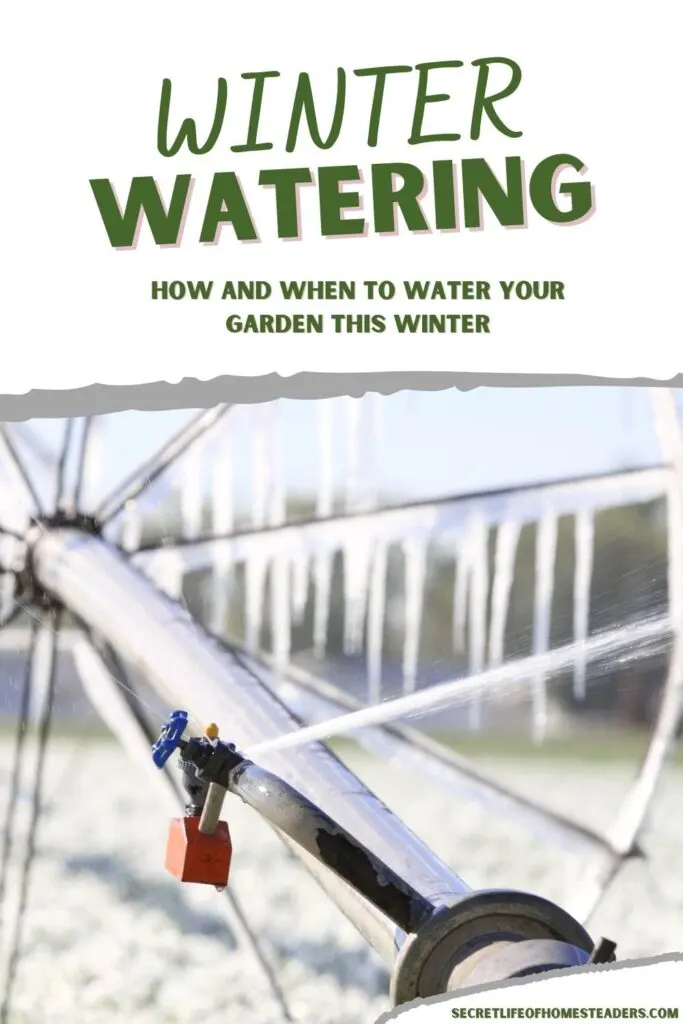
- Risk of frost damage: Watering during freezing temperatures can result in ice formation on the plants, causing frost damage. The frozen water on the leaves and stems can lead to cell damage, wilting, and even death in severe cases.
- Formation of ice lenses: Watering when temperatures drop below freezing can also create ice lenses in the soil. These ice lenses can exert pressure on the roots, leading to their damage.
- Delay watering until thaw: If you need to water your plants during winter, wait for thawed conditions or choose a time when temperatures are above freezing.
3. Frequency of Winter Watering for Plants
The frequency of winter watering can vary depending on various factors. Here are a few considerations:
- Plant type: Different plants have different moisture requirements. Some plants, like succulents, require less water, while others, like certain evergreens, may need more frequent watering. Consult plant-specific resources or gardening guides for precise recommendations.
- Weather conditions: Take into account the prevailing weather conditions in your region. If there is adequate rainfall or snowfall, you may need to adjust your watering frequency accordingly. Aim to supplement natural precipitation rather than substitute it entirely.
- Soil type and drainage: Soil composition affects water retention. Sandy soils drain faster, requiring more frequent watering, while clay soils retain moisture for longer periods. Adjust your watering schedule based on your soil type.
4. Newly Planted vs Established Plants
Newly planted plants typically require more attention and water compared to established plants. Here’s what you should keep in mind:

- Established plants: Once plants have become well-established, their root systems are better equipped to access moisture from the surrounding soil. Consequently, they require less frequent watering during winter.
- Newly planted plants: Newly planted plants have undeveloped root systems and rely heavily on external water sources. Water such plants more frequently, but be cautious not to create waterlogged conditions that can harm the roots. Monitor soil moisture levels closely.
5. Protecting Plants from Harsh Cold Winds
Harsh cold winds can cause damage to plants during winter. To protect your plants from these cold weather elements, consider the following tips:
- Shielding with barriers: Erecting windbreaks or barriers around vulnerable plants can reduce the impact of cold winds. Use materials like burlap or plastic to create a protective shield.
- Repositioning containers: If you have potted plants, consider moving them to a more sheltered location during periods of strong winds. This can help minimize wind damage.
- Grouping plants together: Clustering plants together can create a microclimate that offers protection against harsh winds. The collective foliage can act as a buffer, reducing wind exposure.
6. Using Mulch to Retain Soil Moisture
Mulching is an effective technique to retain soil moisture during winter. Here’s why it’s beneficial:
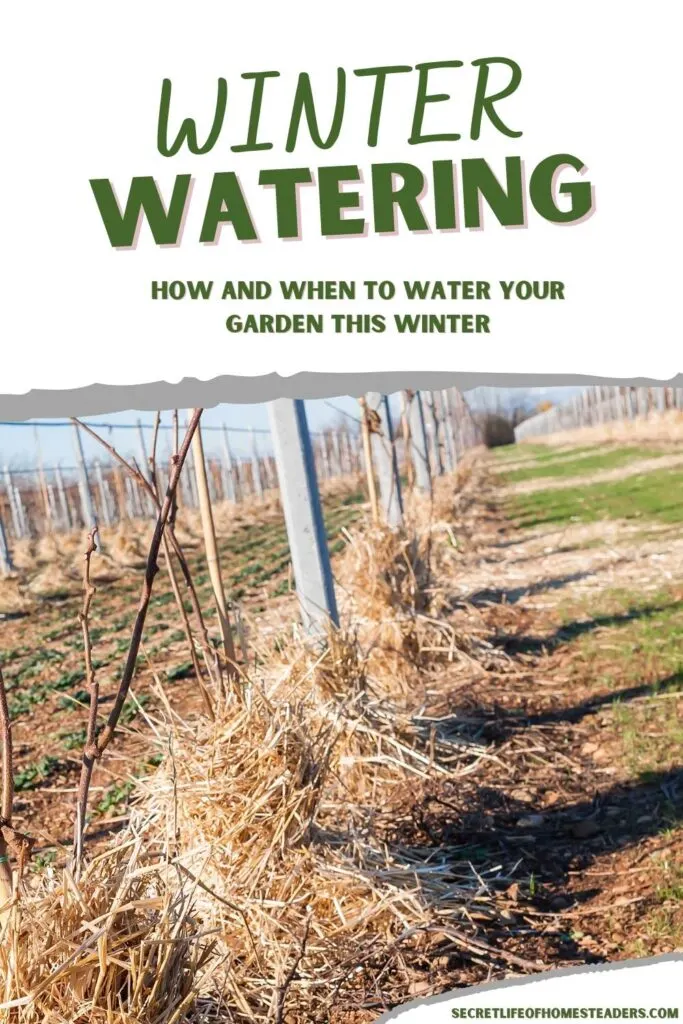
- Insulating the soil: Applying a layer of mulch around the base of plants helps insulate the soil, preventing rapid moisture loss due to evaporation. This is especially useful during periods of low precipitation.
- Protecting against temperature fluctuations: Mulch acts as a temperature buffer, shielding plant roots from extreme temperature fluctuations. It keeps the soil warmer during cold spells and cooler during warm spells.
- Suppressing weed growth: Mulch also helps suppress weed growth, reducing competition for water and nutrients.


In conclusion, watering plants in the winter requires a delicate balance. Understanding the watering needs of different plants, avoiding watering during freezing temperatures, protecting plants from harsh winds, and using mulch to retain soil moisture are key elements to ensuring the health and survival


Charlene has been dabbling in and learning about the homesteading lifestyle for almost 20 years. She recently started a real-world homestead with her extended family and is excited to share 20+ years of knowledge and experience with the world!
While she certainly doesn't know everything about homesteading and is learning more every day, she is excited to learn and grow along with YOU!
Charlene blogs about about homesteading at https://secretlifeofhomesteaders.com/.