
If you’ve ever dived into the world of companion planting for vegetable gardens, you have probably asked yourself, “What grows well with broccoli plants?”
Are you planning to grow a bountiful vegetable garden with broccoli as your star player? If so, it’s essential to understand the concept of companion planting to maximize your garden’s productivity and ensure a healthy harvest.


In this article, we’ll explore the various plants that grow well alongside broccoli, offering benefits such as pest control, nutrient sharing, and more.
Discover the perfect companions for your broccoli plants and watch your garden flourish like never before!
This article may contain affiliate links. Please see our disclosure policy for more details.
What Is Companion Planting?
Companion planting might sound like a trendy new way to spruce up your garden, but it’s actually been around for centuries.
Companion planting is a method of planting different plant species together to benefit each other in some way, whether it be repelling pests or providing nutrient support.

Imagine your garden as a tight-knit community where everyone has their own quirks but works together harmoniously towards a common goal. This is what companion planting aims to achieve.
By taking into consideration which plants grow well together, you can create a thriving ecosystem in your own backyard.
Companion Planting for Beginners: The Complete Guide to Companion Planting Strategies for an Organic, Bountiful, and Healthy Vegetable Garden Japanese Style Companion Planting: Organic Gardening Techniques for Optimal Growth and FlavorCompanion Planting Secrets – Organic Gardening to Deter Pests and Increase Yield: Chemical Free Methods to Reduce Pests, Combat Diseases and Grow Better … (Inspiring Gardening Ideas Book 31)Great Garden Companions: A Companion-Planting System for a Beautiful, Chemical-Free Vegetable GardenThe Companion Planting Soil Mates Guide: The Complete Beginners’ Guide to Growing an Organic, Healthy and Bountiful Garden with an Effective … Companion Planting Chart and Garden PlannersThe Companion Planting Beginner’s Guide [3 in 1]: The Most Complete and Updated Guide for a Thriving Garden Ecosystem | Improve Soil Fertility and Grow Healthier Plants Pests-Free


![The Companion Planting Beginner's Guide [3 in 1]: The Most Complete and Updated Guide for a Thriving Garden Ecosystem | Improve Soil Fertility and Grow Healthier Plants Pests-Free](https://m.media-amazon.com/images/I/51NDP7FBFHL._SL500_.jpg)
Plus, the unique combinations can add some visual interest to your garden, making it a beautiful and functional space for you to enjoy.
Benefits Of Companion Planting
If you’re looking for a natural way to ward off pests and boost the health of your garden, companion planting may be just what you need. This gardening technique involves planting different types of crops together, based on the way they interact with one another.
Not only can companion planting help keep insects at bay, it can also improve soil nutrients and promote better growth overall.
By strategically pairing plants with complementary qualities, you can create a thriving ecosystem that benefits everyone involved. So why not give it a try and see the magic of nature at work?
Attract Beneficial Insects
Companion planting is not only a great way to optimize space and resources in your garden, but it also offers numerous ecological benefits.
One of the most significant advantages is the ability to attract beneficial insects that can help maintain a healthy, balanced ecosystem.

By carefully selecting plant companions, you can create a natural habitat that encourages these helpful insects to thrive. These beneficial insects, such as ladybugs, lacewings, and parasitic wasps, play a crucial role in controlling common garden pests.
As they prey on harmful insects like aphids and caterpillars, they keep the pest population in check, reducing the need for chemical pesticides.
Furthermore, companion planting can also support pollinators like bees and butterflies, which are vital for successful fruit and seed production.
Embrace companion planting to create a vibrant and harmonious garden that fosters a thriving insect community.
Repel Insect Pests
Companion planting offers a natural and environmentally friendly approach to pest control by repelling insect pests that can wreak havoc on your garden.
By incorporating specific plants with potent properties, you can effectively deter these unwanted visitors without resorting to harmful chemicals. Many of these plants contain strong scents or volatile compounds that can confuse or repel pests, protecting your precious crops from damage.
For instance, aromatic herbs such as basil, mint, and rosemary can act as a natural shield against common garden pests like aphids, whiteflies, and cabbage worms. Additionally, some plants release substances that deter pests from laying eggs or can even disrupt their life cycle, preventing infestations from spiraling out of control.
By harnessing the power of companion planting, you can create a robust, self-sustaining garden ecosystem that naturally keeps insect pests at bay.
Provide Nutrients
Companion planting not only promotes a thriving garden ecosystem but also helps to enhance the nutrient availability for your plants. By selecting compatible plants that have complementary nutrient requirements or the ability to enrich the soil, you can foster a mutually beneficial environment where each plant flourishes.

For example, legumes, such as beans and peas, are known for their nitrogen-fixing properties, wherein they convert atmospheric nitrogen into a form that is easily absorbed by plants.
Planting them alongside nitrogen-loving crops like broccoli can significantly improve the soil’s fertility and reduce the need for synthetic fertilizers. Similarly, deep-rooted plants can mine nutrients from lower soil layers, making them more accessible for shallow-rooted companions.
Some plants can even help increase essential nutrients like phosphorus and potassium by releasing specific compounds that facilitate nutrient uptake.
Benefits Of Having Broccoli Companion Plants
If you’re a vegetable gardener, you probably love to take a stroll through your garden and see all the lovely plants flourishing under your care. But what if we told you that adding broccoli companion plants to your garden could not only enhance the beauty of your garden, but also improve the health of your broccoli crop?
That’s right! Broccoli has been shown to benefit from certain companion plants, such as marigolds, mint, and garlic. These plants can help deter harmful pests and attract beneficial insects, creating a harmonious ecosystem in your garden.
25 Winter Vegetable Garden Seeds Variety Pack for Planting Outdoors & Indoor Home Gardening 6500+ Non-GMO Heirloom Veggie Seeds: Broccoli Beet Carrot Collard Lettuce Radish Spinach Pea Kohlrabi & MoreSurvival Garden Seeds Broccoli Microgreens for Sprouting and Growing – Seed to Sprout Green Leafy Micro Vegetable Plants Indoors – Grow Your Own Mini Windowsill Garden – Non-GMO Heirloom VarietyBurpee Sun King Broccoli Seeds 400 seedsBroccoli Seeds for Planting is A Great Heirloom, Non-GMO Vegetable Variety- 1 Gram Seeds Great for Outdoor Spring, Winter, and Fall Gardening by Gardeners BasicsBroccoli: A short illustrated book of facts to help children understand fruits and vegetables. Illustrated and educational book for children aged 4 to 10 years (Fun Facts on Fruits and Vegetables)



Plus, with these complementary plants by its side, your broccoli can grow to its full potential and provide you with a bounty of nutritious, tasty vegetables.
Broccoli companion plants provide a multitude of benefits that contribute to a thriving and productive garden. By selecting the right companions, you can create a symbiotic relationship that enhances the overall health and growth of your broccoli plants.
Broccoli, as a member of the Brassica family, can offer several benefits to its neighboring plants, contributing to a thriving garden ecosystem. One of the key advantages is its ability to suppress weeds with its broad, dense foliage, which shades the ground and inhibits the growth of unwanted plants. The dense broccoli leaves in your broccoli patch are a great way to cut down on weed growth!
This natural weed control helps to conserve soil moisture and reduce competition for essential nutrients, creating an environment where companion plants can flourish. Furthermore, broccoli’s robust root system can help break up compacted soil, improving aeration and drainage for surrounding plants.


Additionally, broccoli plants are known to release certain chemical compounds that can deter pests like the cabbage root fly, providing a protective effect for nearby plants susceptible to similar pests.
By incorporating broccoli into your garden layout, you can create a supportive and beneficial environment that promotes the health and productivity of your entire garden.
10+ Best Broccoli Companion Plants & Companions to Avoid
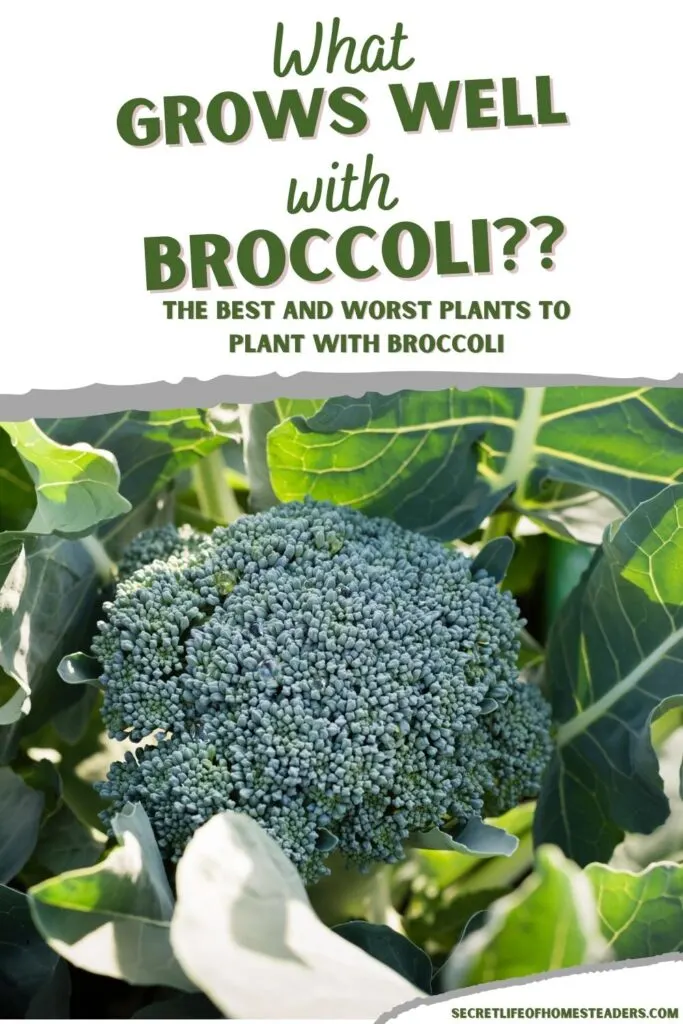
What grows well with broccoli? Here are some of the best and worst companion plants for broccoli.
Best Broccoli Companion Plants
To make the most of your garden space and promote a thriving ecosystem, it’s essential to choose the best companion plants for your broccoli. By selecting plants that provide mutual benefits, you can create a harmonious environment where each plant flourishes.
Aromatic herbs like dill, sage, and rosemary make excellent companions for broccoli, as their strong scent helps to deter common pests like cabbage worms, cabbage moths, and aphids. Similarly, onions, garlic, and chives can repel pests while also enhancing the flavor of your broccoli.
Marigolds are another great addition to your broccoli garden, as they produce a natural pesticide that targets nematodes and other soil-borne pests. Legumes, such as peas and beans, can help improve soil fertility by fixing nitrogen, which is essential for the healthy growth of broccoli.




Companion planting with lettuce, spinach, or other leafy greens can also be beneficial, as they have shallow root systems that won’t compete with broccoli’s deeper roots for nutrients and water.
By incorporating these ideal companion plants, you can foster a productive and resilient garden that supports the health and vigor of your broccoli crop.
The best companion plants for broccoli include:
- Chives
- Garlic
- Leeks
- Onions
- Shallots
- Calendula
- Lavender
- Marigolds
- Nasturtium
- Sweet Alyssum
- Zinnias
- Dill
- Marjoram
- Mint
- Oregano
- Parsley
- Rosemary
- Sage
- Thyme
Worst Broccoli Companion Plants
While companion planting can offer numerous benefits to your garden, it’s essential to be aware of certain plants that may not be the best companions for broccoli. These plants can compete for essential nutrients, stunt growth, or even attract pests that could harm your broccoli crop.
For instance, tomatoes and members of the nightshade family, such as potatoes and eggplants, are not ideal companions for broccoli, as they share similar nutrient requirements and might compete for resources.
Additionally, these plants can also attract pests like the Colorado potato beetle that could potentially damage your broccoli.

Another poor companion is corn, which can cast excessive shade on your broccoli plants, hindering their growth and productivity. Furthermore, pole beans and broccoli are not a good match, as the vigorous growth of the beans may overwhelm and stress the broccoli plants.
By avoiding these unfavorable combinations, you can ensure a thriving and harmonious garden that maximizes the potential of your broccoli crop.
These plants should not be planted near your broccoli plant:
- Squashes
- Hot Cherry Peppers
- Hot Pepper
- Bell Peppers
- Tomatoes
Can We Grow Broccoli In A Container Garden?
Yes, growing broccoli in a container garden is entirely possible and can be an excellent option for those with limited gardening space or who want to cultivate fresh produce on balconies, patios, or rooftops.
When planting broccoli, to ensure success, it’s essential to select an appropriate container that is at least 12-18 inches deep and has a similar diameter to accommodate the broccoli plant’s extensive root system.
Good drainage is crucial, so make sure your container has ample drainage holes to prevent waterlogging and root rot. Fill the container with high-quality potting soil, enriched with organic matter and well-balanced nutrients to support healthy growth.
When planting, provide adequate spacing between plants (approximately 18 inches) to allow for proper air circulation and prevent overcrowding. Regular watering and consistent moisture levels are vital for container-grown broccoli, as containers tend to dry out faster than traditional garden beds.
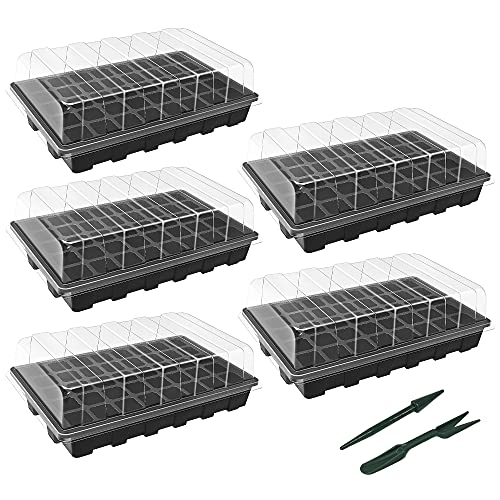


Additionally, monitor nutrient levels and consider adding slow-release fertilizer or liquid feed to maintain optimal growing conditions.
With proper care and attention, container-grown broccoli can thrive and yield a bountiful harvest, making it a viable option for urban gardeners and small-space gardening enthusiasts.
Can You Plant Broccoli And Cauliflower Together?
When considering companion planting broccoli solutions, you might be wondering if you can plant broccoli and cauliflower together. After all, these two vegetables taste great together! But will they make great companions?
Yes, you can plant broccoli and cauliflower together in your garden, as they are both members of the Brassica family and share similar growing conditions and requirements. Most Brassica crops tend to do well together.


When planted together, these two crops can benefit from their mutual compatibility, as they have comparable preferences for sunlight, water, and nutrient needs. This makes it easier to maintain consistent care for both plants while maximizing the use of your garden space.
However, it’s essential to ensure proper spacing between the plants to prevent overcrowding and promote good air circulation, reducing the risk of diseases like downy mildew and powdery mildew.
Also, be aware that both broccoli and cauliflower can attract similar pests, such as cabbage worms and aphids. The same holds true for brussel sprouts so be aware of this when planting brussel sprouts near your broccoli plant.
To mitigate this issue, consider incorporating companion plants like fragrant herbs or marigolds that can help deter these pests and enhance the overall health of your garden.
By carefully planning your garden layout and providing appropriate care, planting broccoli and cauliflower together can lead to a successful and bountiful harvest.
Can You Grow Broccoli And Lettuce Together?
Yes, you can plant broccoli and lettuce together as they make excellent companion plants, complementing each other’s growth habits and requirements. Broccoli’s taller stature provides partial shade for the lettuce, which prefers cooler temperatures and can benefit from protection against intense sunlight, especially during warmer months.
In turn, lettuce’s shallow root system won’t compete with broccoli’s deeper roots for water and nutrients, allowing both plants to coexist harmoniously.
More Gardening Resources
For more gardening resources and ideas, check out the following resources:
How to care for basil plants
How to plant and care for beans
When to start seeds
Additionally, their different maturation rates make them ideal companions, as you can harvest the lettuce without disturbing the growth of the broccoli. Intercropping these two plants can also help maximize your garden space and improve soil health by reducing soil erosion and preventing weed growth.
To ensure a successful pairing, provide adequate spacing between the broccoli plants and stagger the lettuce plants around them. By planting broccoli and lettuce together, you can create a thriving garden ecosystem that supports the healthy growth and productivity of both crops.
Do Broccoli Plants Like Coffee Grounds?
A common gardening tip is that coffee grounds are beneficial for broccoli plants.
Broccoli plants can benefit from the addition of coffee grounds to their surrounding soil, as these grounds are a source of organic matter and nutrients, particularly nitrogen.
Nitrogen is essential for leafy growth, and broccoli, being a heavy feeder, requires a good supply of this nutrient to thrive.
When used in moderation, coffee grounds can help improve soil structure, increase water retention, and promote microbial activity in the soil, all of which contribute to a healthier growing environment for broccoli plants.
Companion Planting for Beginners: The Complete Guide to Companion Planting Strategies for an Organic, Bountiful, and Healthy Vegetable GardenJapanese Style Companion Planting: Organic Gardening Techniques for Optimal Growth and FlavorCompanion Planting Secrets – Organic Gardening to Deter Pests and Increase Yield: Chemical Free Methods to Reduce Pests, Combat Diseases and Grow Better … (Inspiring Gardening Ideas Book 31)Great Garden Companions: A Companion-Planting System for a Beautiful, Chemical-Free Vegetable GardenThe Companion Planting Soil Mates Guide: The Complete Beginners’ Guide to Growing an Organic, Healthy and Bountiful Garden with an Effective … Companion Planting Chart and Garden PlannersThe Companion Planting Beginner’s Guide [3 in 1]: The Most Complete and Updated Guide for a Thriving Garden Ecosystem | Improve Soil Fertility and Grow Healthier Plants Pests-Free
However, it’s important to note that coffee grounds are slightly acidic, with a pH ranging from 6.2 to 6.8, so they should be used cautiously, especially in soil that is already acidic. To avoid potential issues, consider composting the coffee grounds before incorporating them into your garden, as this process can help neutralize their acidity.
By using coffee grounds appropriately, you can provide your broccoli plants with valuable nutrients and enhance the overall health and fertility of your garden’s soil.
If you don’t have any good companion plants for broccoli that will increase these nutrients, coffee grounds are a great way to go!


Charlene has been dabbling in and learning about the homesteading lifestyle for almost 20 years. She recently started a real-world homestead with her extended family and is excited to share 20+ years of knowledge and experience with the world!
While she certainly doesn't know everything about homesteading and is learning more every day, she is excited to learn and grow along with YOU!
Charlene blogs about about homesteading at https://secretlifeofhomesteaders.com/.