
Vegetable companion planting for insects embraces the benefits of both attracting pollinating insects and deterring pest insects. With a well-designed garden, either in the ground or in containers, you can gain some benefits of homesteading through growing your own food.


Companion planting is a great way to efficiently grow plants that aid each other. Whether it’s increased size or taste, improved soil, reducing problem pests and diseases, attracting pollinators, or providing shade or ground cover, planting certain plants together can greatly benefit your garden.
In this post we will examine many plants that benefit other plants by attracting pollinators and/or repelling pest insects. Other reasons for companion planting are covered in Vegetable Companion Planting for Abundance and Flavor. We will also look at a few kinds of plant that should not be planted near each other. For an easy reference, see this handy Vegetable Companion Planting Cheat Sheet.


This article may contain affiliate links. Please see our disclosure policy for more details.
Why do I have more insects, but my plants are doing better?
In one of my early vegetable gardening experiences, someone suggested to me that I should plant Marigolds in the garden to help to discourage bugs. That year we had more bees, butterflies, and lady bugs, and it was the best garden we had ever had.


There is a difference between beneficial bugs/insects and nuisance ones. When doing healthy companion gardening, you may be inviting the beneficial insects. Don’t think companion planting has been a failure merely by the number of bugs and insects.
To “bee” or not to “bee.”
First, we will take a look at why we want beneficial insects. Essentially pollinators, like bees and butterflies, will benefit any vegetable plant that flowers and needs pollinating before growing its fruit. Pollinators will help produce more vegetables per plant for tomatoes, peppers, cucumbers, melons, squash, etc. They are also important for fruit trees to produce more fruit.


Bees and butterflies are well-known pollinators. They go from flower to flower taking and depositing pollen among the plants.


Predatory wasps take some pests to their homes to eat. Additionally, parasitic wasps lay their eggs on or in other pests, which are then eaten by the larvae when they hatch. Note: These are not yellow jackets, which are actually pests themselves.


Besides pollinators and wasps, there are other beneficial insects. These eat nuisance pests and include lady bugs, praying mantids, ground and soldier beetles, wolf spiders, tachinid and syrphid flies, hoverflies, and green lacewing’s larvae.


When beneficial insects are plentiful, each plant has a greater harvest and the nuisance insects are more controlled.
Related: What vegetables grow well in container gardens?
What can I do to attract the beneficial insects?
The obvious choice to attract pollinators is flowers. Some of the most popular are nasturtium, marigold, calendula, sweet alyssum, lavender, zinnias, and borage. Beneficial insects may be attracted to the flowers or the scents.


Flowering herbs are another great attraction to beneficial insects. Whether you want the herbs for adding variety to your meals or you just want their benefits in the garden, herbs are a necessity that make fantastic companion plants.
Which plants both attract beneficial insects and repel nuisances?
There are specific plants can be added to your vegetable garden that serve the dual purpose of attracting beneficial insects and repelling nuisance ones.
Flowers
Many flowers are multi-purpose. Besides being beautiful to look at, they both attract beneficial insects and deter the pests.
Nasturtiums
If you only have room for one, Nasturtiums are an overall top pick for a companion plant with most any vegetable. They are especially helpful around beans, potatoes, squashes, tomatoes, cucumbers, melons, corn, peppers, and eggplants.
Nasturtium Flower Seeds for Planting (Dwarf Jewel) – Edible Flower Open Pollinated, Non-GMO Annual Flower Seed for Flower Gardens by Gardeners Basics100+ Mix Nasturtium Seeds (Tropaeolum majus) Open Pollinated Easy to Grow and Attracts Pollinators
25+ Seeds Nasturtium, Double Gleem Mix Seeds, Newly Harvested-Beautiful Flower


They repel potato, bean, and other beetles, squash bugs, potato bugs, whiteflies, and draws aphids away from nearby plants. Be sure to control the aphid infestation on them before they overflow back into your garden.
Marigolds
Marigolds deter potato bugs, soil nematodes, bean and other beetles, hornworms, and squash bugs. Especially great with tomatoes, cucumbers, summer and winter squash, peppers, beans, and broccoli.


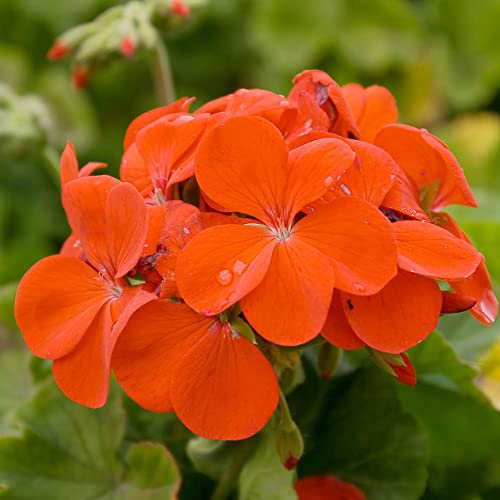
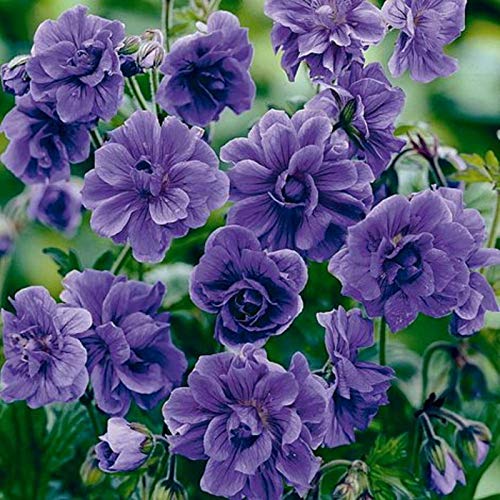
Geraniums
Geraniums attract Japanese beetles away from pepper plants and when they eat their leaves, the beetles become paralyzed so you have a chance to get rid of them. Geraniums also deter cabbage worms. Awesome companion to pepper plants.
Geraniums Seeds Heat Tolerant Easy to Grow Annual Fragrant Edible Low Maintenance Bed Border Container Indoor Outdoor 200Pcs Mixed Colors Flower Seeds by YEGAOL GardenGeranium Mix 50+ Seeds Flowers Easy to Grow Planting for Outdoor Indoor
Seeds – 10 Double Purple Geranium Seeds Flowers Perennial Flower Seed, Flowering Seeds

Sweet Alyssum
Sweet Alyssum grows low to the ground and its many small blossoms entice many beneficial insects, such as parasitic wasps, tachinid flies, lady bugs, lacewings, etc., who in turn support the cause of removing aphids, whiteflies, tomato worms, and other fruit worms. Benefits peppers and broccoli.


Annual Herbs
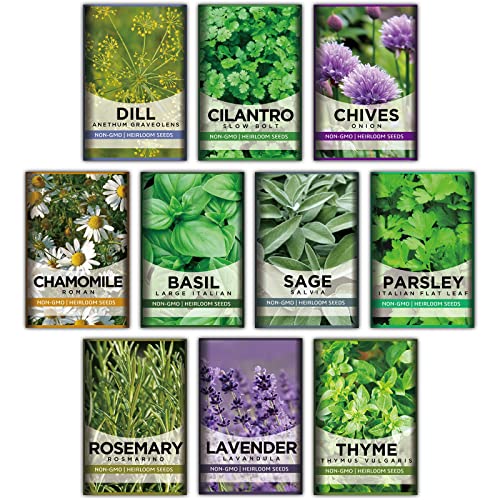
In addition to commonplace flowers that are beautiful, aromatic herbs also have delightful flowers that attract beneficial insects and repel other nuisances. Plant herbs singly here and there among your other plants, then use them to flavor your cuisine.
Complete Container Herb Gardening: Design and Grow Beautiful, Bountiful Herb-Filled Pots10 Herb Kit Non-GMO Growing into Thyme, Lavender, Chamomile, Dill, Chives, Cilantro, Rosemary, Basil, Parsley, Sage Indoor/Outdoor Herb Planting for Kitchen Windowsill Gardening Gift
Note: Some of the stronger aromatic herbs may negatively affect the flavor of cucumbers or squash.
Calendula
Calendula helps to control nematodes and other pests in addition to enticing helpful insects. It is an overall great companion plant, but especially for summer or winter squash.


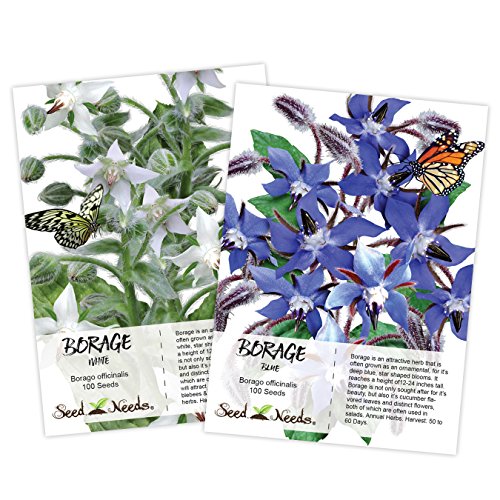
Borage
Borage attracts bees and deters hornworms, cabbage butterflies, and cornworms, which is especially helpful with tomatoes, corn, beans, squashes, cabbage, melons, cucumbers, and strawberries.
Outsidepride Borago Officinalis Borage Herb Garden Flowering Plants Great for Bee Pollination – 1 LBSweet Yards Seed Co. Borage Seeds – Extra Large Packet – Over 1,200 Open Pollinated Non-GMO Wildflower Seeds – Borago officianalis
Seed Needs, White / Blue Borage Seed Packet Collection (2 Individual Borage Varieties for Planting ) Heirloom, Non-GMO & Untreated


Lavender
Lavender is a perennial combination flower, herb and shrub that is especially great near brassicas (the cabbage family). It attracts ladybugs, bees, and butterflies. Fleas, moths, mosquitoes, and spiders don’t like the smell, so they stay away.


Basil
Basil discourages spider mites, thrips, asparagus and flea beetles and aphids while attracting pollinators. When planted near beets or turnips they deter each other’s pests. Also great with tomatoes, peppers, beans, eggplant, asparagus, potatoes, and okra.
This is A Mix!!! Mixed Seeds! 100+ Basil Mix Seeds 12 Varieties Heirloom Non-GMO Fragrant Italian Thai Greek Opal Dwarf from USABasil Seeds Non GMO, Basil Herbs, Seed Packet 1,200 Seeds Each (Cinnamon Basil)
Basil, Sweet Genovese, 25 Seeds, Great All Around Basil, Makes Excellent Pesto


Dill
Dill deters cabbage moths, cabbage butterflies, aphids, squash bugs, and spider mites. Especially great companions with onions, cucumbers, squash, peppers, corn, brassicas (cabbage family), and asparagus.


Parsley
Parsley, if allowed to flower in the second year, attracts predatory wasps and controls aphids. Wonderful with broccoli, peppers, potatoes, tomatoes, carrots, corn, and onions.
The Old Farmer’s Almanac Heirloom Parsley Seeds (Dark Green Italian Flat Leaf) – Approx 1500 Seeds – Non-GMO, Open Pollinated, USA OriginParsley Seed Collection – Italian Giant, Curled, Flat Leaf – 3 Packets of Non-GMO Heirloom Open-Pollinated to Plant in a Vegetable or Herb Garden – Seed Saver Instructions – Survival Garden Seeds
Plain or Single Parsley Seeds – 25 Count Seed Pack – Non-GMO – A Small Version of Italian Giant with a Flavor That is Richer Than Curled Varieties. – Country Creek LLC


Chamomile
Chamomile attracts beneficial insects and repels some pests, such as aphids, ticks, and mosquitoes. Onions and garlic benefit from it. Note: people who are allergic to ragweed are often aggravated by chamomile too.


Perennial Herbs
Several herbs that entice beneficial insects and repel pests are perennials, such as marjoram, sage, rosemary, thyme, oregano, mint, and chives. You may want to plant them in containers, then place the containers in opportune places in your garden.
Sow Right Seeds – Herb Garden Seed Collection – Basil, Chives, Parsley, Cilantro, Oregano, Dill, Lavender, Marjoram, Sage & Thyme – Non GMO Heirloom – Instructions to Plant an Outdoor or Indoor GardenThe Homesteader’s Herbal Companion: The Ultimate Guide to Growing, Preserving, and Using Herbs

Note: Some of the stronger aromatic herbs may negatively affect the flavor of cucumbers or squash.
Marjoram
Marjoram may need protection during the winter and is especially great with eggplant, corn, and brassicas (cabbage family).


Sage
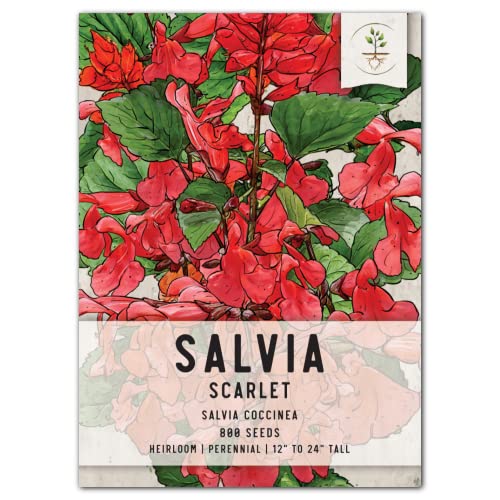
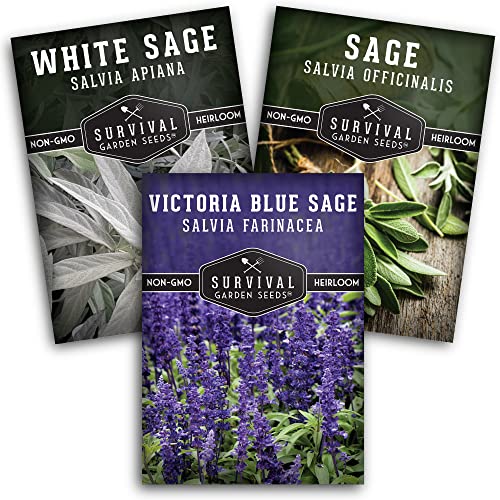
Sage repels flea beetles, carrot rust flies, and cabbage butterflies from brassicas, carrots, beans, and potatoes. Note: sage contaminates the flavor of cucumbers and may stunt the growth of onions and garlic.
Seed Needs, Scarlet Red Sage Seeds for Planting (Salvia coccinea) Single Package of 800 Seeds – Heirloom & Open Pollinated – Attracts PollinatorsSurvival Garden Seeds Sage Collection Seed Vault – White Sage (Salvia Apiana), Culinary Sage (Salvia Officinalis) & Victoria Blue Sage – (Salvia Farinacea) Non-GMO Heirloom Varieties for Your Garden
Bonnie Plants Pineapple Sage – 4 Pack Live Plants, Perennial In Zones 8 – 10, 3 – 4 Ft Tall Plants, Garnish, Teas & Flower Arrangements

Rosemary
Rosemary, deters cabbage moths, bean beetles, and flies from brassicas, beans, and peppers and attracts bees to pollinate summer squash.


Thyme
Thyme attracts predatory insects and repels moths, which is especially helpful to brassicas and strawberries.
Thyme Seeds for Planting is A Heirloom, Non-GMO Herb Variety- Thymus Vulgaris Herb Seeds Great for Indoor and Outdoor Gardening by Gardeners BasicsDichmag 1500 Multiple Colors Creeping Thyme Seeds for Planting – Mix Creeping Thyme Ground Cover Flowers Seeds Easy to Grow
Live Aromatic and Edible Herb – Thyme (4 Per Pack) – Reduces Stress and Anxiety – 6


Oregano
Oregano is an overall great companion plant for just about everything and protects against squash bugs and attracts bees.


Mint
Mint has over 7000 varieties, which includes the popular peppermint and spearmint, but also other aromatic herbs addressed separately above, such as basil, oregano, sage, and lavender.
Mint plants are very invasive, so keep them well pruned in pots to prevent unwanted spread and place them around your garden to deter pests and attract beneficial insects.


Chives
Chives are part of the garlic and onion family (allium), so they have similar results as companion plants as they repel aphids, flies, red spider mites, and beetles. They are great near tomatoes, brassicas (cabbage family) and carrots.
Sow Right Seeds – Chive Seed Collection for Planting – Grow Both Common Chives and Garlic Chives for Your Kitchen – Non-GMO Heirloom Seeds with Instructions to Plant, Indoor or Outdoor; Great GardenOutsidepride Allium Chives Culinary Herb Garden Plants for Cooking, Pollination, & Dried Arrangements – 1 OZ
CHIVES FARMING: The complete guide to growing chives from varieties to harvesting

Other plants that discourage pests
Some plants attract the pests to themselves and away from the plants you really want. One example of this is pepper maggots that prefer hot cherry peppers. Pepper maggots will leave your other pepper plants alone if planted near the peppers you desire.


Garlic, onions, and leeks (allium family) discourage aphids, beetles, flies, spider mites and other pests from your garden, especially lettuce, strawberries, cabbage, broccoli, Brussel sprouts, kale, collards, carrots, parsley, celery, cauliflower.
Tomatoes and asparagus assist each other because tomatoes repel asparagus beetles while asparagus repels nematodes away from the tomatoes.


Radishes left unharvested protect cucumbers from cucumber beetles, squash from squash bugs, and spinach from leaf miners.
Radish Seeds 9 Variety Pack – Non GMO, Heirloom Seeds for Planting Indoor, Outdoor, and Hydroponic Vegetable Garden – 100% USA Grown – Including Champion, German Giant, Watermelon, Daikon and MoreSow Right Seeds – Easter Egg Radish Seed for Planting – Non-GMO Heirloom Packet with Instructions to Plant and Grow an Indoor or Outdoor Home Vegetable Garden – Easy to Grow – Great Gardening Gift


Potatoes help control bean beetles when planted near beans.
Avoid these combinations
Some types of plants attract the same insect pests, which then pass from one plant to the next. Avoid planting these close together…
Cucumbers, melons and squashes


Corn and tomatoes attract tomato worms and corn earworms to each other.
Families of plants, such as alliums (garlic and onion family).
Chard attracts aphids to share with chamomile.
For a more comprehensive list of plants to avoid planting together see Vegetable Companion Planting for Abundance and Flavor and Vegetable Companion Planting Cheat Sheet.
Three Sisters
One popular method of companion planting is the “Three Sisters Method.” Corn in planted in the center with beans planted around the corn. Winter squashes or pumpkins are planted in the third ring. Plant each “ring” after the inner one has become established to prevent overwhelming the inner ring.
For the purposes of pest control, the squash or pumpkin plants are dense enough to keep weeds and critters, such as racoons, away from the corn.


A similar companionship is corn and cucumbers. The cucumbers keep pests, like racoons, from the corn, while the corn provides support for the cucumbers.
Besides attracting and discouraging insects, companion planting arrangements have many other benefits, such as soil quality, improved flavor, shade, and creating a natural trellis. For a more complete discussion of these and other companion planting benefits, see Vegetable Companion Planting for Abundance and Flavor.


Vegetable companion planting for insects invites beneficial pollinating insects while repelling nuisance pest insects. Many of the same plants accomplish both and there are additional plants in your garden which also deter pests from each other. Companion planting has many other benefits besides inviting and controlling insects. For a quick and easy guide, be sure to check out our Vegetable Companion Planting Cheat Sheet.

I started life on an 80-acre homestead in Alaska where my sisters and I learned gardening, sewing, and how to follow recipes from my mother. My mother-in-law increased my cooking abilities, taught me how to can, and how to live on a tight budget. I used these skills to make ends meet while raising six children. I put my college education on hold until my youngest was grown and then, as a grandmother, received my Bachelor’s Degree, crossing the stage with one of my sons. After living on every size acreage from apartments and small city lots to several acres and currently back on a 47-acre homestead, I have come to realize that homesteading is really about the mindset of becoming as self-sufficient as possible, or at least knowing how to do so. I look forward to carrying on this legacy with my thirteen grandchildren and my readers.
Kerryanne
Thursday 22nd of June 2023
This was such an interesting read Robyn. Thank you for sharing your information on vegetable companion planting for insects at Create, Bake, Grow & Gather this week. I'm delighted to be featuring it at tomorrow's party and pinning too. Hugs ~ Kerryanne