
If you are a fan of simple homemade chicken feed recipes, you are going to love this cheap DIY chicken feed.
Choosing to make your own chicken feed is an excellent option if you’re starting a homestead or are simply fed up with the options available in the market.
Organic chicken feed can be expensive and hence difficult to source on a long-term basis, and conventional feed doesn’t usually provide the required nutrition you need to get those luscious, dark orange egg yolks.


So, how do you get started with cheap DIY chicken feed?
First, you should acquire the necessary ingredients, which typically include corn, wheat, peas, oats, and flaxseed. The ingredients then need to be measured and mixed and additional supplements can be added too.
Read on to learn more about homemade chicken feed. Find out why it might be a good option for you, what breeds it’s suitable for, the ingredients needed, and the nutrition it provides. Happy reading!
This article may contain affiliate links. Please see our disclosure policy for more details.
Why Make Homemade Chicken Feed?
Knowing how to make cheap DIY chicken feed is one of the best solution for those learning how to take care of chickens on a budget. That’s why today we’re sharing some cheap DIY chicken feed ideas and solutions with you.
The cheapest way to feed your birds is to let them exclusively free range.
Unfortunately, this is not always an option for everybody. Either due to local laws, local predators, or some other reason, not everybody can free range their birds.
This is where a cheap DIY feed for backyard birds is the best solution.
There are quite a few reasons you might want to think of making and mixing your own chicken feed, as opposed to buying it from the store. Although good organic feed is nutritious and non-GMO, it is pretty expensive, and many cannot afford it on a regular basis.


Conventional feed, on the other hand, has its own issues. While not necessarily lacking in nutrients, commercial feed can be pricey. And if you’ve ever raised chickens, you know that deep orange yolks (that are rich in flavor and nutrition) don’t come from birds raised exclusively on commercial chicken feed.
This is where cheap DIY chicken feed comes in. If you do it right, your DIY feed is guaranteed to be cheaper and more nutritious than the options available in the market.
Additionally, if you’re starting a homestead and own chickens, then this can be an excellent option for you since it’s budget-friendly and sustainable.
What Chicken Breeds Is Homemade Feed Suitable For?
Some chicken breeds are picky eaters and may not adjust well to your homemade feed, whereas others won’t mind the shift from commercial feed to it at all. The latter includes Easter Eggers, Orpingtons, and Rhode Island Reds. Silkies, for example, can be a picky breed and may require time to adjust to the new feed.
In short, birds who are excited about all sorts of table scraps or birds who love free ranging and scratching for their food are more likely to do great with a DIY chicken feed.
Give your birds some homemade chicken feed and see how they like it! Start with a small batch at first and move up from there. You might have to mix the new feed in with their old feed for the first few days or weeks until they get used to it.
If your homemade feed contains a lot of protein, then broilers may have no trouble at all eating it up, since their main nutritional requirement is protein. Layers usually need additional supplements besides protein, to get various vitamins and minerals.
Adding other ingredients to your base feed, such as crushed egg shells or oyster shells, would be a good option if you have the egg-laying breed.
What Are The Nutritional Needs of Chickens?
Here is a list of nutrients that chickens need as part of a wholesome and fulfilling diet.
- Protein
For some breeds, this is the most important nutrient. It is needed for muscle growth and repair, among other uses. Especially if you are raising broilers or meat birds, you will want to include a heavy amount of protein.
- Minerals
Minerals such as calcium and phosphorous are essential dietary components that are needed for the healthy functioning of the body as well as for efficient bone growth, especially in egg-laying chickens. If you are raising egg laying hens, you will want a heavy amount of calcium, or perhaps a bucket of straight calcium they can eat free-choice.
- Vitamins
Like minerals, they contribute to growth and development and are important for both broilers and layers. Luckily, these can come from a variety of ingredients
- Fat and carbohydrates
While these nutrients are important all year long, fat and carbohydrates are excellent energy sources that help chickens stay warm and active in the winter months. Consider upping your carbohydrates when the weather turns colder.
Ingredients Needed For DIY Chicken Feed
A healthy batch of DIY chicken feed consists of the base feed as well as some supplementary substances that together provide the required nutrients. Here is a list of ingredients to help you get started.
Base feed
Supplementary ingredients
- Flaxseed
- Crushed eggshells or oyster shells
Corn, wheat, and peas are good sources of protein and carbohydrates. (Read whole wheat for chickens for more insight.)
Chickens also like corn, so it is one of the most important ingredients. Wheat helps with digestion. Oats help chickens battle fatigue and exhaustion and are an excellent option if you want to increase the amount of feed without affecting its nutritional balance.



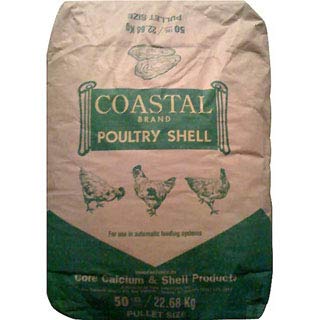


Flaxseed is a good source of Omega-3 fatty acids and crushed eggshells provide lots of calcium.
If you want to add an extra boost of nutrition, you can consider adding kelp meal for chickens. However, if you want to keep things inexpensive and affordable, you can leave the kelp meal out with no issues.
How To Prepare The Chicken Feed
Now that you know what ingredients to use, you’ll have to measure them out and mix them to prepare a batch of chicken feed and feed your flock. You’ll need:
- 8-10 pounds wheat
- 8 pounds cracked corn
- 10 pounds peas
- 1 pound oats
- 1.5 pounds flaxseed
- Crushed eggshells or oyster shells (for more calcium)
You’ll need to pour all ingredients into a large container and mix thoroughly. After mixing for 5-10 minutes, you can feed it to your chickens. This recipe works best for layers; for broilers, you can add wheat and peas for added protein.
The secret to deep, beautiful, and flavorful chicken eggs is giving the birds the highest nutrition possible. The good news is, this doesn’t have to be expensive.


Can Ducks Eat The DIY Chicken Feed?
If you raise ducks and chickens, you might be wondering if ducks and chickens can eat the same feed.
As any farmer knows, ducks and chickens are not the same animal. They have different dietary needs, and what works for one will not necessarily work for the other.
For example, ducks need more niacin than chickens. Niacin is an essential vitamin that helps ducks to grow and thrive.


As a result, it’s important to be aware of the differences between duck and chicken feed before making a purchase. This is why commercial feed stores sell mixed flock feed.
However, with a few simple adjustments, it is possible to make cheap DIY chicken feed that is suitable for ducks.

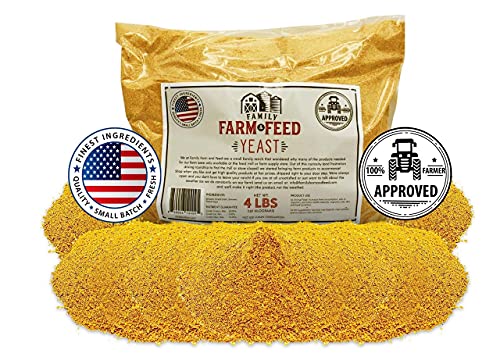
Adding 5% brewer’s yeast to the mix will provide the ducks with the extra niacin they need.
Just be sure never to buy medicated chick feed, as this can be harmful to ducklings. With a little bit of knowledge and effort, you can keep your ducks and your chickens healthy and happy – without breaking the bank.
Storing Your DIY Chicken Feed
The easiest way to store your homemade chicken feed is to get a big, steel container (such as a steel garbage can) and dump the feed inside.
Make sure your can has a lid so mice and other pests stay out of it!


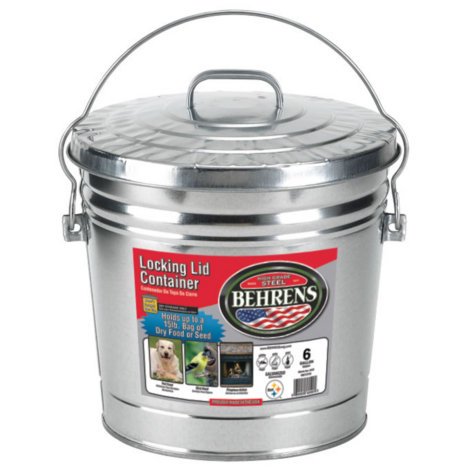
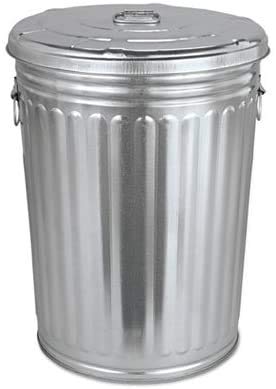
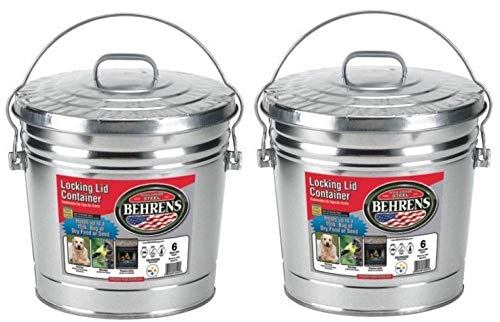
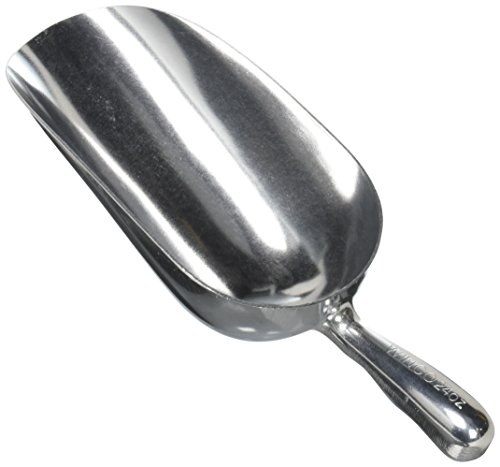
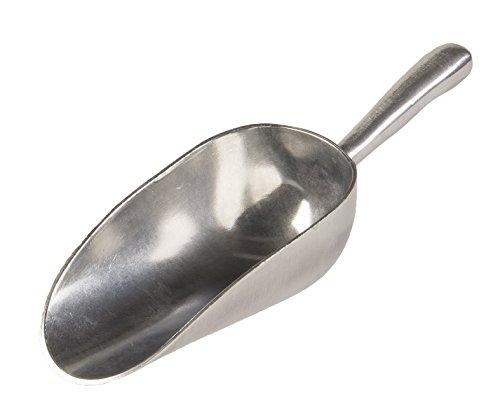
Then when you’re ready to use your feed, you just have to lift the lid and scoop some out (using a metal scoop). Easy peasy!


How To Feed Backyard Birds DIY Chicken Feed
Once your DIY chicken feed is prepared, it’s time to feed your birds!
The best way to feed your birds their new feed is by doing exactly the same thing you used to do with their old feed.
Just add their feed to the feeder and let them have at it!
If you’re worried they won’t take to the new feed very well, feel free to mix some of the old feed in with the new feed for a few days while they get used to it.


Alternatively, you can also just scatter the feed on the floor of their coop or run for them to peck and scratch. This is also a good way to ensure they get enough grit in their new feed.
Whether you’re starting a homestead and are opting for sustainable practices, or are simply fed up with store-bought options, cheap DIY chicken feed may be the answer you’re looking for.
This way, you can ensure your chickens are getting a healthy diet without breaking the bank.


Charlene has been dabbling in and learning about the homesteading lifestyle for almost 20 years. She recently started a real-world homestead with her extended family and is excited to share 20+ years of knowledge and experience with the world!
While she certainly doesn't know everything about homesteading and is learning more every day, she is excited to learn and grow along with YOU!
Charlene blogs about about homesteading at https://secretlifeofhomesteaders.com/.