
When asking yourself when to start seeds (indoor and outdoor), knowing when and how to plant broccoli is sure to come up.
If you’re looking for information on how to plant broccoli, you’ve come to the right place! In this blog post, we’ll provide you with all the information you need to get your broccoli garden started.
Broccoli is a great vegetable to grow in your home garden – it’s easy to plant and care for, and it yields delicious results.

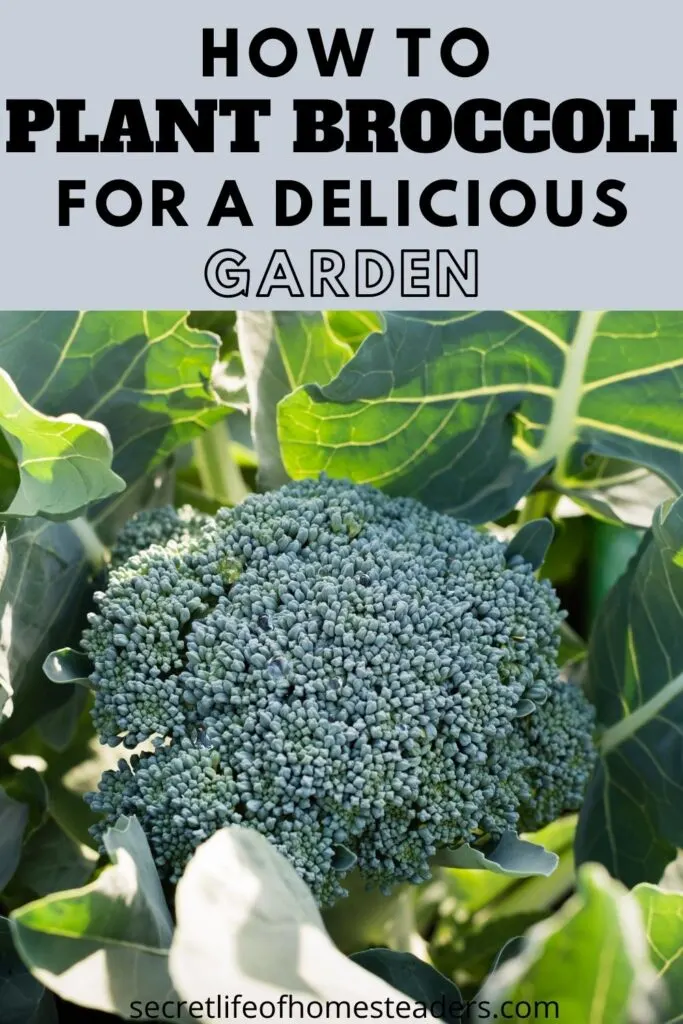
This guide will show you how to plant broccoli so that you can enjoy this nutritious vegetable all season long.
Keep reading for tips on spacing and soil preparation, as well as advice on when to harvest your broccoli.
This article may contain affiliate links. Please see our disclosure policy for more details.
Free Garden Planning Worksheets
Do you need help planning out your garden? It’s never too early (nor too late) to start planning your garden.
We can help take the stress, anxiety and overwhelm out of garden planning with our free Garden Planning Worksheets.
Make planning your garden easier than ever with your very own copy!
Learn what’s inside the free printable gardening planner here.
Or Grab your free Garden Planning Worksheets NOW!!
Is Broccoli Good For You?
Broccoli is a nutrient-rich vegetable that is packed with vitamins and minerals. It is an excellent source of Vitamins A, C, and K, as well as dietary fiber.
Broccoli also contains phytochemicals that have been shown to have positive health effects.

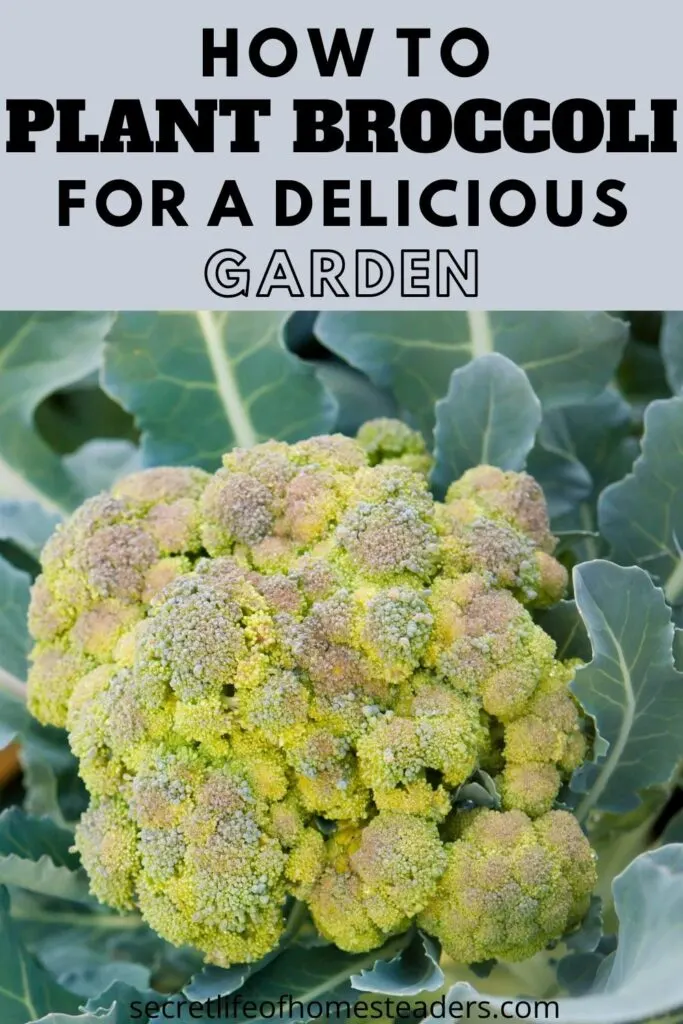
Broccoli is high in nutrients and may benefit your health in a variety of ways. This includes lowering inflammation, improving blood sugar control, increasing immunity, and promoting heart health.
Studies have shown that eating broccoli can help to reduce the risk of certain cancers, heart disease, and stroke.
It’s no wonder that broccoli is often called a superfood!
Recommended Books on Growing Broccoli
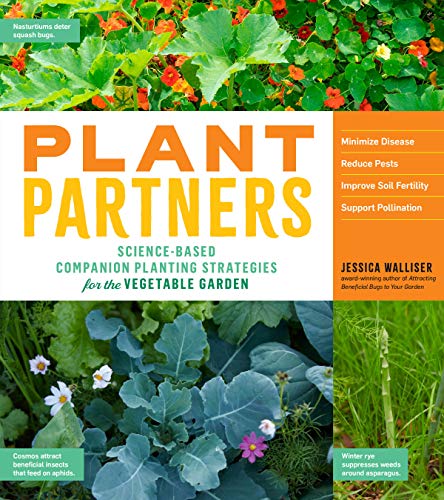
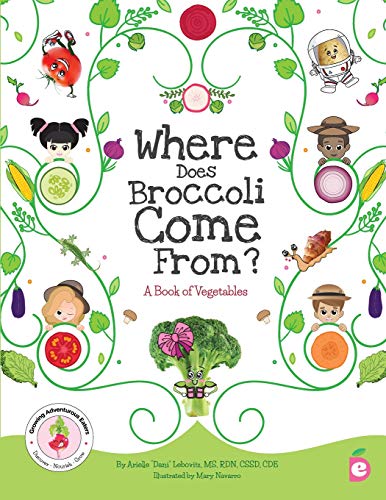
If you’re looking for a more in-depth look at how to plant and care for broccoli, consider the following gardening books.


When And How To Plant Broccoli
When starting broccoli from seed, you will want to make sure you don’t plant them outside until after the danger last hard freeze (last frost date) has passed.
When you sow seeds, nighttime temperatures should be no cooler than 50 degrees.
However, keep in mind that broccoli is a cool-weather veggie (read – not heat-tolerant) and as such, daytime temperatures should be no higher than 85 degrees in order to achieve successful outdoor germination and plant growth.


It is for this reason that many gardeners, especially those with long, hot summers, start their seeds inside a greenhouse so they can harvest before the days get too warm.
If it’s too late for you to plant and harvest your broccoli before the days get too warm, keep in mind you can also plant broccoli in the late summer and early fall months for a later harvest.
Broccoli makes a fantastic fall crop! Or feel free to do both and harvest twice! Just be sure you give yourself enough time to harvest before the first fall frost.
Read Also – What Grows Well With Broccoli
How To Care For Broccoli – A Broccoli Growing Guide
When your broccoli seedlings are about 3 inches tall, you will want to thin your plants. When thinning, leave between 1 and 2 feet of space between broccoli plants.
You will want to give your young broccoli plants about 1 inch of water per week. If you live in a hot or arid region, be sure to up this amount so your broccoli doesn’t get overheated.
It is a good idea to consider a heavy mulch of organic matter to help retain soil moisture while also keeping down on weeds.
When And How To Harvest Broccoli
You will want to start harvesting broccoli florets as soon as the main heads (AKA central heads) are big enough to use. Smaller heads will wait to develop until after the main head (central head) has been harvested.
Be sure to harvest any flower stalks before you see any sign of yellow. Yellow means the tiny yellow flower buds are beginning to open and you don’t want this if you still want to be able to eat your broccoli throughout the rest of the season.


Broccoli will go bad quickly after it has been harvested from your vegetable garden so be sure to either eat your vegetable quickly or find a way to store it for the long term. Freezing is a great way to store broccoli long-term, or you can dehydrate or freeze-dry your veggie.
How To Collect Broccoli Seeds
Because broccoli is considered a biennial, it is best to wait to harvest broccoli seeds until the second year. The first year is meant for eating and enjoying.
Although if you planted your broccoli in early Spring, your plants might go to seed during the fall harvest instead. This is also a good time to let your broccoli flowers grow and mature.


The green buds will turn yellow and begin to open and blossom. If these flowers are pollinated, seeds will begin to form. Pollination will be better if you have several broccoli plants all flowering at the same time.
The broccoli flowers will form seed pods and each pod will contain many seeds. Harvest your seed pods when they are about an inch long and are dried out and have changed to a tan color.
After picking, break open the pods to get to the seeds.
Free Garden Planning Worksheets
Do you need help planning out your garden? It’s never too early (nor too late) to start planning your garden.
We can help take the stress, anxiety and overwhelm out of garden planning with our free Garden Planning Worksheets.
Make planning your garden easier than ever with your very own copy!
Learn what’s inside the free printable gardening planner here.
Or Grab your free Garden Planning Worksheets NOW!!
More Gardening Resources
Be sure to check out these other gardening resources!



Charlene has been dabbling in and learning about the homesteading lifestyle for almost 20 years. She recently started a real-world homestead with her extended family and is excited to share 20+ years of knowledge and experience with the world!
While she certainly doesn't know everything about homesteading and is learning more every day, she is excited to learn and grow along with YOU!
Charlene blogs about about homesteading at https://secretlifeofhomesteaders.com/.