
If you’re looking at starting a homestead, you’re going to love this complete guide to pasture raised chickens.


Raising chickens in a pasture setting is becoming increasingly popular among farmers and homesteaders. These chickens are known for their healthier eggs and meat, improved animal welfare, and environmental benefits.
However, raising chickens on pasture is more than just letting them loose on green grass. It involves providing balanced nutrition, protection from predators, among other things.
This guide will delve into the details of what pasture-raised chickens eat, how to keep them safe, and other important aspects of this farming practice.
This article may contain affiliate links. Please see our disclosure policy for more details.
What Are Pasture Raised Chickens?
Pasture-raised chickens are birds that spend a significant part of their lives outdoors, foraging on a wide variety of plants and insects.


Unlike their confined counterparts, these chickens have the freedom to express their natural behaviors such as scratching, pecking, and dust bathing. While they may roam inside a fenced area, the area is very large and the chickens have so much space they aren’t able to keep up with the bigs and vegetation.
Pasture raised chickens are often healthier and produce higher quality eggs and meat due to their diverse diet and active lifestyle.
What Do Pasture Raised Chickens Eat?
One of the most common questions about pasture-raised chickens is: what do they eat? Their diet is far more varied compared to chickens raised in confinement.
Bugs and Plants
A significant portion of a pasture-raised chicken’s diet consists of bugs and plants. As they roam the pasture, they scratch the soil and peck at anything that moves. This includes a variety of insects, worms, and other small organisms. They also consume a range of plant materials, including grass, seeds, and leaves.
Chicken Scraps and Scratch
While bugs and plants make up the bulk of their diet, pasture-raised chickens might also consume chicken scraps or handfuls of scratch, especially on bad weather days. These additions provide extra nutrients and help supplement their diet when fresh forage is scarce.

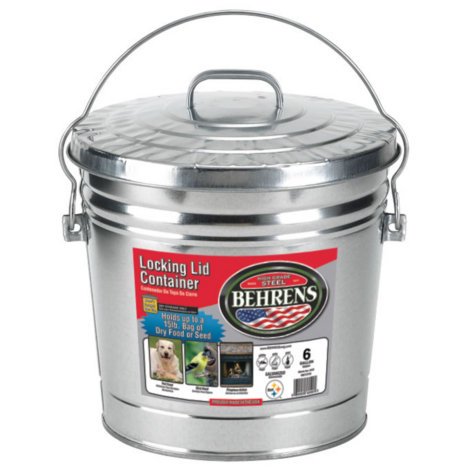



However, if you offer your birds enough space to roam with adequate food supplies, you will only need to supplement their diets with commercial chicken feed a few times a year.
How to Keep Pasture Raised Chickens Safe?
Keeping pasture-raised chickens safe is a significant concern for many farmers. The open pasture exposes chickens to various predators, from ground-dwelling mammals to birds of prey. Here are a few strategies to protect your flock.


Livestock Guardian Dogs
One effective way to keep pasture-raised chickens safe is by employing livestock guardian dogs. Livestock guardian dogs are specially bred and trained to protect poultry and other livestock from predators. They live with the flock, bonding with the animals they are tasked to protect and warding off any potential threats.
Egg Holder for Refrigerator, 2 Packs Egg Holder BPA Free Egg Storage Carrier Deviled Egg with Lid Egg Container for Refrigerator Egg Organizer Keep Fresh Egg Storage Container in Refrigerator ToresanoEgg Holder for Refrigerator, THIPOTEN 60 Grid Eggs Storage Container for Refrigerator, Perfect Household Egg Organizer for a Hobby FarmClear Plastic Egg Holder for Refrigerator, Stackable Egg Storage Trays With Lid & Handles, Plastic Egg Box Carrier 4 Pack, BPA-Free Egg Storage Container for 18 EggsEgg Holder For Refrigerator – Auto Rolling Egg Organizer 3 Layer – Stacked Egg Tray Fridge Egg Storage Container – Hold 24 EggsToplife Spiral Design Metal Egg Skelter Dispenser Rack, Storage Display Rack, BlackRolling Egg Holder Dispenser,Refrigerator Automatically Rolling Egg Storage Container, 2 Tier Rolling Egg Dispenser, Space Saving Egg Tray For Refrigerator with 2 egg mold(1)





Our homestead has a Great Pyrenees and a couple of Karakachans roaming the acreage that keep predators at bay and our chickens (not to mention our sheep!) safe and sound.
Bird Of Prey-Chasing Farm Dogs
Another method is using bird of prey-chasing farm dogs. These dogs deter aerial predators like hawks and eagles from swooping down on the flock. They are trained to keep a keen eye on the sky and chase away any birds of prey that venture too close.
Our farm dog is an Old Time Scotch Collie. He is intelligent enough to know not to chase the chickens or ducks but he can snatch aerial predators that don’t belong right out of the sky! It’s pretty impressive.
Locking Birds Up At Night
With the exception of aerial predators (minus owls) and stray dogs, most predators come out at night so the best way to keep your pasture raised chickens safe is by locking them in a barn or coop before the sun goes down. Make sure your coop is secure, well-ventilated, and clean to prevent any potential health issues for your birds.
The Benefits of Pasture Raised Chickens
Raising chickens on pasture has several benefits, both for the chickens and the farmers.
Healthier Chickens and Higher Quality Products
Pasture-raised chickens generally have better health due to their diverse diet and active lifestyle. This health translates into higher quality products. Eggs from pasture-raised chickens often have darker yolks and a richer flavor, while the meat is leaner and more flavorful.


Environmental Sustainability
Pasture-raised chickens also contribute to environmental sustainability. Their foraging helps control pests and weeds, reducing the need for chemical pesticides and herbicides. Their droppings act as natural fertilizer, improving soil fertility and promoting plant growth.
Free (and Effective) Pest/Bug Control
Having chickens on pasture can also benefit other livestock or crops on the farm. Chickens naturally consume various insects and pests, reducing their populations and potential damage to other animals or plants.
Egg Holder for Refrigerator, 2 Packs Egg Holder BPA Free Egg Storage Carrier Deviled Egg with Lid Egg Container for Refrigerator Egg Organizer Keep Fresh Egg Storage Container in Refrigerator ToresanoEgg Holder for Refrigerator, THIPOTEN 60 Grid Eggs Storage Container for Refrigerator, Perfect Household Egg Organizer for a Hobby FarmClear Plastic Egg Holder for Refrigerator, Stackable Egg Storage Trays With Lid & Handles, Plastic Egg Box Carrier 4 Pack, BPA-Free Egg Storage Container for 18 EggsEgg Holder For Refrigerator – Auto Rolling Egg Organizer 3 Layer – Stacked Egg Tray Fridge Egg Storage Container – Hold 24 EggsToplife Spiral Design Metal Egg Skelter Dispenser Rack, Storage Display Rack, BlackRolling Egg Holder Dispenser,Refrigerator Automatically Rolling Egg Storage Container, 2 Tier Rolling Egg Dispenser, Space Saving Egg Tray For Refrigerator with 2 egg mold(1)
Last year when squash bugs tried to take over our pumpkin patch, we broke open one bad pumpkin and called the chickens over. They ate the broken pumpkin and every single squash bug in the area. Then they ran off and left the good pumpkins alone, bug-free!
We also had hardly any ticks last season even though it was one of the heaviest years for ticks in Oklahoma. Pasture raised chickens are amazing!
Key Takeaways from Pasture Raising Chickens
Pasture raising chickens is a rewarding practice that promotes animal welfare, environmental sustainability, and produces high-quality products. It involves understanding their dietary needs, providing adequate protection from predators, and managing the pasture for optimal forage. With the right knowledge and resources, anyone can successfully raise chickens on pasture.
Starting Your Pasture Raised Chicken Operation
For those interested in starting their own pasture-raised chicken operation, the process begins with thorough planning and preparation.
First and foremost, you’ll need to decide on the breed of chickens best suited to your climate, pasture type, and the products you wish to produce, like eggs or meat. Researching and selecting hardy breeds that can thrive outdoors and forage well will lay the foundation for a successful operation.
Infrastructure and Equipment
Setting up the right infrastructure is crucial. This includes a secure coop or barn for nighttime housing and possibly mobile units or chicken tractors that can be moved around the pasture, promoting soil health and giving chickens access to fresh forage.
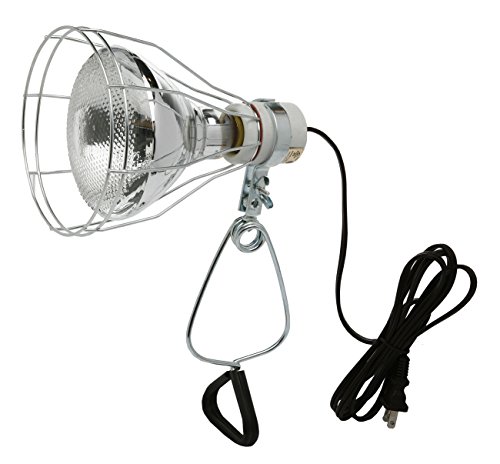


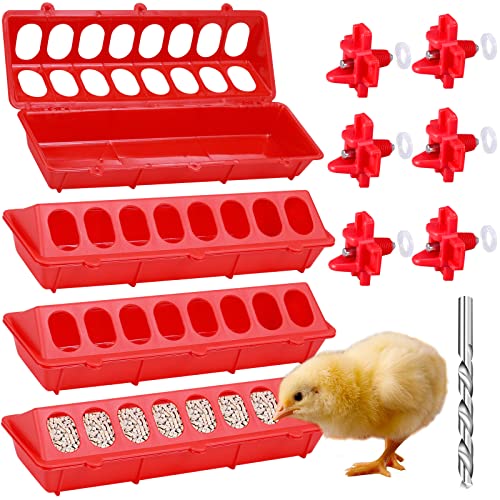

Additionally, consider the equipment needed for their daily care, such as feeders, waterers, and fencing materials to keep your chickens in designated areas and predators out.
Legal Considerations
Before getting started, it’s also essential to familiarize yourself with local regulations and zoning laws related to poultry farming. Some areas may have restrictions on the number of birds you can raise or specific requirements for their care and housing. Obtaining all necessary permits and ensuring compliance with these regulations will help you avoid potential legal issues.
Community and Marketing
Building a community around your pasture-raised chicken operation can bolster your success. Engage with local farmers’ markets, restaurants, and health food stores interested in sourcing high-quality, sustainable poultry products.
Developing a strong marketing strategy that highlights the benefits of pasture-raised chickens, such as improved taste, nutritional value, and ethical raising practices, can also attract customers willing to support your operation.
Starting a pasture-raised chicken farm requires dedication, but the rewards—healthier chickens, superior products, environmental benefits, and a strong sense of community—are well worth the effort.


Charlene has been dabbling in and learning about the homesteading lifestyle for almost 20 years. She recently started a real-world homestead with her extended family and is excited to share 20+ years of knowledge and experience with the world!
While she certainly doesn't know everything about homesteading and is learning more every day, she is excited to learn and grow along with YOU!
Charlene blogs about about homesteading at https://secretlifeofhomesteaders.com/.