
Knowing when and where to start seeds is important at any time of year. But do you know what vegetables to plant in August?

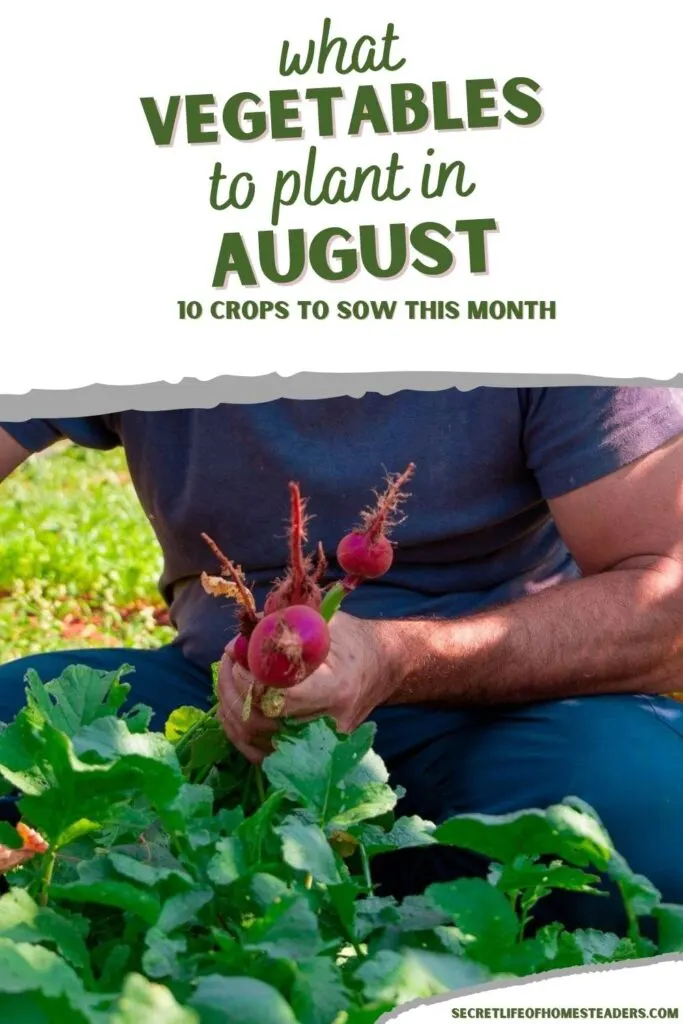
August may seem like an unlikely time to start planting vegetables, but it can actually be a great opportunity to ensure a bountiful fall or winter harvest.
By planting certain vegetables in August, you can take advantage of the remaining warm weather and create a thriving garden that will provide fresh produce during the cooler months.
In this article, we will explore what vegetables to plant in August for a successful fall or winter harvest, including tips on planting, care, and techniques for extending the growing season.
This article may contain affiliate links. Please see our disclosure policy for more details.


1. What to Plant in August for a Fall Harvest
- Lettuce: Lettuce is a cool-season crop that thrives in mild temperatures. Varieties such as butterhead, romaine, and leaf lettuce can be planted in August for a fall harvest. For these Fall crops, choose a well-drained soil and provide consistent watering to keep the soil moist. For August planting, plant lettuce in partial shade to protect it from the intense summer sun. Harvest the outer leaves from your young plants as needed, allowing the inner leaves to continue growing.
- Kale: Kale is a nutrient-packed leafy green that can withstand colder temperatures making it another popular Fall crop. Plant kale in well-drained soil enriched with organic matter. It prefers full sun but can tolerate some shade. Water regularly to keep the soil consistently moist. Harvest the outer leaves when they reach a desirable size, leaving the central leaves to continue growing.
- Broccoli: Broccoli is a cold-hardy vegetable in the Brassica family that thrives in cool weather. Start broccoli seeds indoors in early August and transplant the seedlings outdoors once they are 4-6 weeks old. Choose a sunny location with fertile, well-drained soil. Water regularly and mulch around the plants to conserve moisture. Harvest the central head when it reaches a suitable size, and secondary shoots will develop for subsequent harvests.
- Carrots: Carrots can be sown directly in the garden in late August or early September for a fall harvest. Or you can plant this root vegetable during the late Fall months for fresh produce all Winter long! Choose a well-drained soil that is free from stones and debris. Carrots require full sun but can tolerate some shade. Keep the soil consistently moist during germination and thin the seedlings to provide adequate space for root development. Harvest carrots when they have reached the desired size, usually around 60-80 days after planting.
- Radishes: Radishes are quick-growing vegetables that can be harvested in as little as 3-4 weeks. Even planting in August or early September will likely get you a good harvest before your first frost date. Sow radish seeds directly in the garden in August, ensuring the soil is loose and well-drained. Plant in full sun or partial shade. Water regularly to keep the soil moist and prevent the roots from becoming woody. Harvest radishes when they have reached the desired size before they become pithy.
- Mustard Greens: Planting mustard greens in August is an excellent choice for several reasons. First, mustard greens thrive in cooler temperatures, making them well-suited for late summer and early fall planting. Second, they have a relatively short maturity period, allowing you to enjoy a bountiful harvest before the frost sets in. Lastly, mustard greens are packed with essential nutrients and offer a distinct peppery flavor, adding a tasty and nutritious addition to your meals.
- Swiss Chard: Swiss chard, a vibrant and nutritious leafy green, is an excellent vegetable to plant in August. With its ability to thrive in cooler temperatures, Swiss chard is well-suited for late summer and early fall planting. This versatile vegetable offers a myriad of benefits, including its rich nutrient profile, easy cultivation, and abundant harvests. Whether you’re a seasoned gardener or a beginner, adding Swiss chard to your garden in August can provide you with a bountiful harvest of delicious and healthy greens.
- Brussel Sprouts: Planting Brussels sprouts in August is an excellent choice for several reasons. Firstly, Brussels sprouts, also of the brassica family, thrive in cooler temperatures, making them a perfect addition to your late summer or fall garden. By planting them in August, you allow them to establish their roots before the colder months set in, ensuring robust growth and improved flavor. Additionally, Brussels sprouts are a nutrient-dense vegetable, packed with vitamins, minerals, and antioxidants, providing a healthy and delicious addition to your meals.

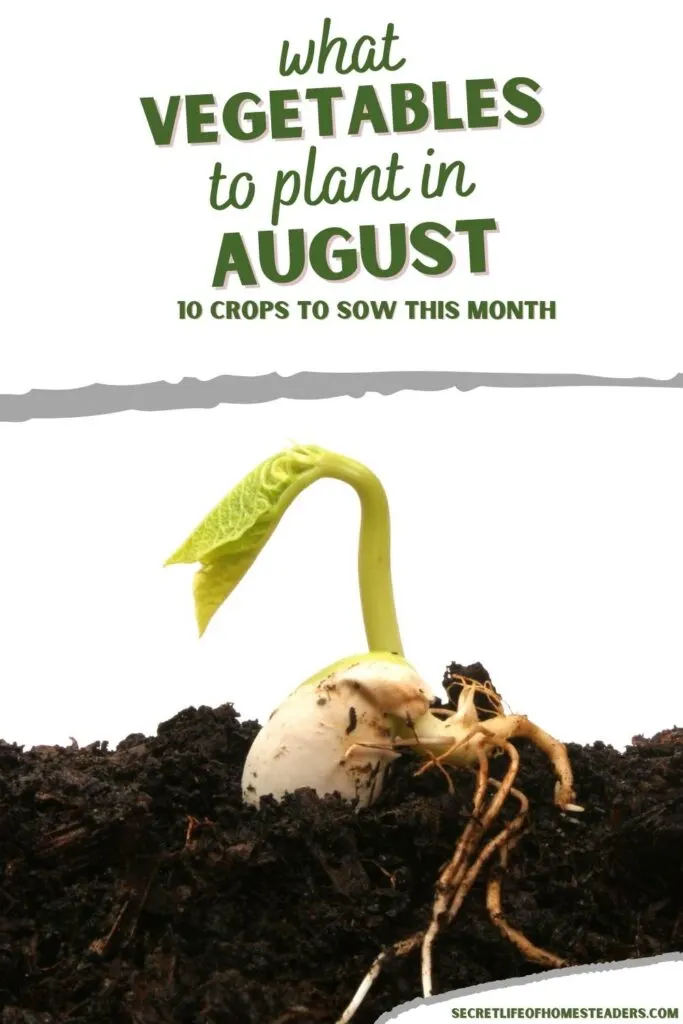
2. What to Plant in August for a Spring Harvest
- Garlic: Garlic is planted in the fall for a spring harvest. Break apart the garlic bulb into individual cloves and plant them with the pointed end facing up. Choose a sunny location with well-drained soil enriched with organic matter. Water regularly but avoid overwatering. Mulch around the garlic plants to suppress weeds and conserve moisture. Harvest garlic in late spring when the foliage turns yellow and begins to die back.
- Spinach: Spinach is a cool-season vegetable that can be planted in August for an early spring harvest. Choose a fertile, well-drained soil and sow the seeds directly in the garden. Spinach prefers partial shade but can tolerate full sun in cooler climates. Keep the soil consistently moist and harvest the outer leaves as needed, allowing the inner leaves to continue growing.
- Onions: Onions can be planted in August for a spring harvest. Choose a sunny location with fertile, well-drained soil. Plant onion sets or transplants, placing them in the soil with the tip just above the surface. Water regularly to keep the soil consistently moist. Harvest onions when the tops have dried and fallen over, typically in late spring or early summer.
- Root Vegetables: One of the great aspects of utilizing root vegetables as August plantings is that the soil will insulate your vegetables no matter what heavy frost you experience. Plant root vegetables such as potatoes, sweet potatoes, and more and enjoy a bountiful harvest the following Spring! (Or maybe even throughout the cold winter months.)


3. Extending the Growing Season In Your Vegetable Garden From Late Summer And Beyond
To extend the growing season and protect your crops from frost, consider implementing the following techniques:
- Row covers: Use lightweight row covers made of floating row cover fabric to protect plants from cold temperatures and frost. These covers allow sunlight, air, and water to penetrate while providing a layer of insulation.
- Greenhouses: If you have the space and resources, consider investing in a greenhouse. Greenhouses create a controlled environment that allows for year-round gardening. They provide protection from harsh weather conditions and offer the opportunity to grow a wider variety of crops.
By planting the right vegetables in August and implementing techniques to extend the growing season, you can enjoy a successful fall or winter harvest.


Remember to provide the appropriate care, such as regular watering, proper soil preparation, and protection from extreme weather conditions. Happy gardening!


Charlene has been dabbling in and learning about the homesteading lifestyle for almost 20 years. She recently started a real-world homestead with her extended family and is excited to share 20+ years of knowledge and experience with the world!
While she certainly doesn't know everything about homesteading and is learning more every day, she is excited to learn and grow along with YOU!
Charlene blogs about about homesteading at https://secretlifeofhomesteaders.com/.
Cara ~ Vintage Style Gal
Monday 14th of August 2023
Thank you for sharing, I am interested in starting a small garden. Although, I do not have much luck in growing flowers and the like, I just would love to grow our own food.
Helen at the Lazy Gastronome
Saturday 12th of August 2023
I think a lot of people think planting is only for spring - great post! Thanks for sharing at the What's for Dinner party - Hope to see you there tomorrow too! Enjoy the rest of your weekend.
Marie
Saturday 12th of August 2023
I always feel like I am out of time to start seeds. Thanks for sharing these tips. -Marie
Food nutters
Friday 11th of August 2023
Absolutely Broccoli and Brussel sprouts. Here we usually plant onions and garlic a little bit later, in October actually.