
In the Spring we focus on when and where to start seeds. In the Fall, we focus on how to winterize your garden and yard. Today we’re sharing our easy Fall gardening checklist so you can easily winterize your garden.


Winter is a wonderful time for snuggling up indoors with a warm beverage, but it can be difficult for your garden. As the weather turns colder and the leaves drop off the trees, it’s important to take steps to protect your garden’s fragile and tender plants.
From preparing flower beds for winter to bringing tender houseplants indoors, there are a variety of ways to protect your garden from the harsher elements of the season. In this blog post, we’ll provide tips for winterizing your garden beds and getting your yard ready for the colder weather.
This article may contain affiliate links. Please see our disclosure policy for more details.
Don’t Get Overwhelmed By Winterizing Gardens
As the temperatures drop and winter approaches, it’s important to think about properly winterizing your garden. But don’t let this task overwhelm you – it’s easier than you might think!
Start by removing any dead or diseased plants, and pruning back overgrown or damaged branches. Then, add a layer of mulch to help insulate the soil and protect your plants’ roots. If you have any delicate or tropical plants, consider bringing them indoors for the season.


Finally, make sure to drain and store any garden hoses and tools, and consider investing in durable covers for your outdoor furniture. With these simple steps, your garden will be prepared for whatever the winter weather brings.
Top Tips For To Easily Winterize Garden
With winter fast approaching, it’s time to prepare your garden for the colder months ahead. Fortunately, winterizing your garden doesn’t have to be a daunting task.
By following a few simple tips, you can ensure that your garden stays healthy and vibrant throughout the winter season.
1 – Prepping Flower Beds For Winter
One of the most important steps in winterizing your garden is prepping flower beds.
Begin by cutting back any dead plant material, such as annuals that have already bloomed. This will help prevent disease and prepare the bed for new growth in the spring.


Additionally, it’s important to cover the beds with a layer of compost or mulch, which will insulate the soil from the colder temperatures and also add nutrients that will help the soil remain healthy.
2 – Bringing Tender Houseplants Indoors
Unlike indoor plants, outdoor plants may struggle to survive the cold winter weather. When the temperatures drop, many plants will go into shock and die.
To protect your houseplants, bring them indoors to a sunny location, such as a south-facing window. Before bringing them indoors, check for pests and diseases and treat them accordingly. Remember to water and fertilize them on a regular schedule throughout the winter months.
3 – Protecting Plants From Snow And Ice
Snow and ice are two of the biggest challenges your garden will face during the winter months. To protect your plants from the weight of snow and ice, use stakes to prop up any branches that may be susceptible to breaking.

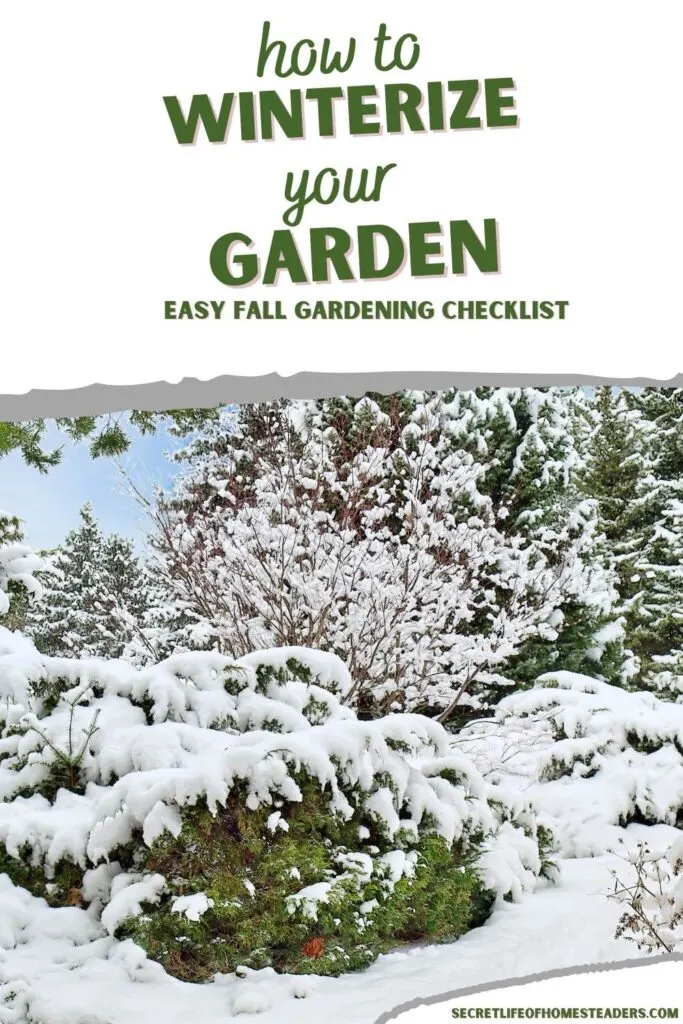
It’s also important to shake off any snow that accumulates on the branches to minimize the weight. Removing snow from the branches can also prevent insects and diseases from taking root in healthy plants.
4 – The Importance Of Mulching
Mulch is a must-have for any garden during the winter months. Mulch acts as insulation to protect your plants from the cold, and it also helps to prevent soil erosion.
As an added bonus, winter mulch often also cuts down on weeds, which can be a nuisance in the spring and summer months. Make sure to apply a layer of mulch around the base of your plants in the fall, and then add more as needed throughout the winter.
5 – Removing Dead Annuals And Planting Fall Bulbs
Removing dead annuals and planting fall bulbs can also help prepare your garden for the winter.
Dead annuals should be pulled up and disposed of, as they can provide a home for pests and diseases during the winter months. Fall bulbs, such as tulips and daffodils, should be planted in the fall so they can bloom come spring.
This is a great way to ensure that your garden will flourish after the first frost and the hard freeze of the winter season has passed.


In conclusion, winterizing your garden doesn’t have to be a difficult task. By following these tips and taking the necessary precautions, you can ensure that your garden will remain healthy and protected throughout the winter months. Remember to prep flower beds, bring tender houseplants indoors, protect plants from snow and ice, add a layer of mulch, and remove dead annuals while planting fall bulbs. With these steps, your garden will be ready to flourish come springtime!
More Tips For Overcoming Winter Challenges
Before freezing temperatures occur, make sure the soil around your plants has plenty of residual moisture. Winter can be a challenging time for plants, but with the right preparation, you can help your garden and landscaping thrive.
One important tip is to make sure the soil around your plants has plenty of moisture before the freezing temperatures set in. Moist soil can help insulate the root system and protect it from damage caused by cold weather.
How do you ensure the soil has enough moisture? It’s best to water the soil thoroughly before the temperature drops and to use organic mulch to retain moisture. By taking these simple steps, you’ll be giving your plants the best chance to survive the winter months.
Don’t Apply Fertilizer In The Late Fall
When you take care of your garden, it’s important to be smart about how you fertilize your plants. While fertilizer can do wonders for your garden’s growth, it’s best to avoid applying it in the late fall. By doing so, you risk causing your plants to grow too quickly, which can make them more vulnerable to harsh winter conditions.
Instead, use the fall season as a time to prep your garden for winter by mulching your plants and removing any dead leaves or debris. This way, your plants will have a better chance of surviving the colder months and thriving come springtime.
Remember, a little bit of planning can go a long way in maintaining a healthy and beautiful garden.
When To Winterize Your Gardens
As the cold weather approaches, it’s essential to start thinking about winterizing your gardens. Winterizing is crucial for the health and longevity of your plants, as it protects them from the harsh winter conditions.
If you live in a region with particularly cold and harsh winters, it’s best to winterize your gardens in late fall, just before the ground freezes. On the other hand, if you live in a milder climate area, you can winterize your gardens in early winter.
Avoid Pruning Trees Or Evergreen Shrubs In The Fall
As gardening enthusiasts, we want to ensure that our plants thrive throughout the year. In the winter, though, the cold weather and frost can definitely pose a challenge. While we’ve already discussed some tips for overcoming these challenges, there are plenty more to consider.
For instance, did you know that it’s best to avoid pruning trees or evergreen shrubs in the fall? This can actually cause damage to the plant and make it more difficult for it to survive the winter. Instead, wait until mid-winter or early spring to do any necessary pruning.
It may seem like a small detail, but it can make a huge difference in the health of your garden. So, if you’re looking for ways to keep woody plants in your garden thriving all winter long, consider this helpful tip and give your trees, perennial plants, and shrubs the care they need.
How To Protect Plants From Heavy Snowfall Or Ice
As winter approaches, it’s important to prepare your garden for the challenges that come along with it. Heavy snowfall and icing can be particularly damaging to your beloved plants. But fear not, there are ways to protect them!
One simple but effective method is to use burlap, canvas, or old sheets to cover your plants. These materials will act as a barrier against the cold weather and help prevent damage. This technique is especially important for delicate plants, young trees, and shrubs.
So don’t let the winter weather keep you from enjoying a beautiful garden. By taking a few extra steps to protect your plants from winter damage, you’ll be able to keep them healthy and thriving for years to come.
Read Also – How To Winterize Your Chicken Run
Pro Tip: Choosing Winter-Hardy Plants For Your USDA Hardiness Zone
Winter can certainly pose some unique challenges for gardeners, but don’t let that discourage you! There are plenty of ways to prepare your garden for the colder months, and one of the best forms of winterizing is choosing the right plants for your climate.
By selecting varieties that are hardy and able to withstand the unique conditions of your region, you’ll give your garden the best chance at surviving the winter months. Of course, it’s not always easy to know which plants are the best fit for your area, so don’t hesitate to do some research or even consult with a local gardening expert.
With a bit of planning and preparation, you can ensure that your flower and vegetable garden always stays healthy and vibrant all year round.


Charlene has been dabbling in and learning about the homesteading lifestyle for almost 20 years. She recently started a real-world homestead with her extended family and is excited to share 20+ years of knowledge and experience with the world!
While she certainly doesn't know everything about homesteading and is learning more every day, she is excited to learn and grow along with YOU!
Charlene blogs about about homesteading at https://secretlifeofhomesteaders.com/.