
Do you know what to plant in a Fall vegetable garden? Here at Secret Life of Homesteaders, we believe homesteading is not just a seasonal adventure – it should happen all year long!
As the vibrant hues of summer give way to the rich tapestry of fall, many gardeners may think it’s time to hang up their spades.

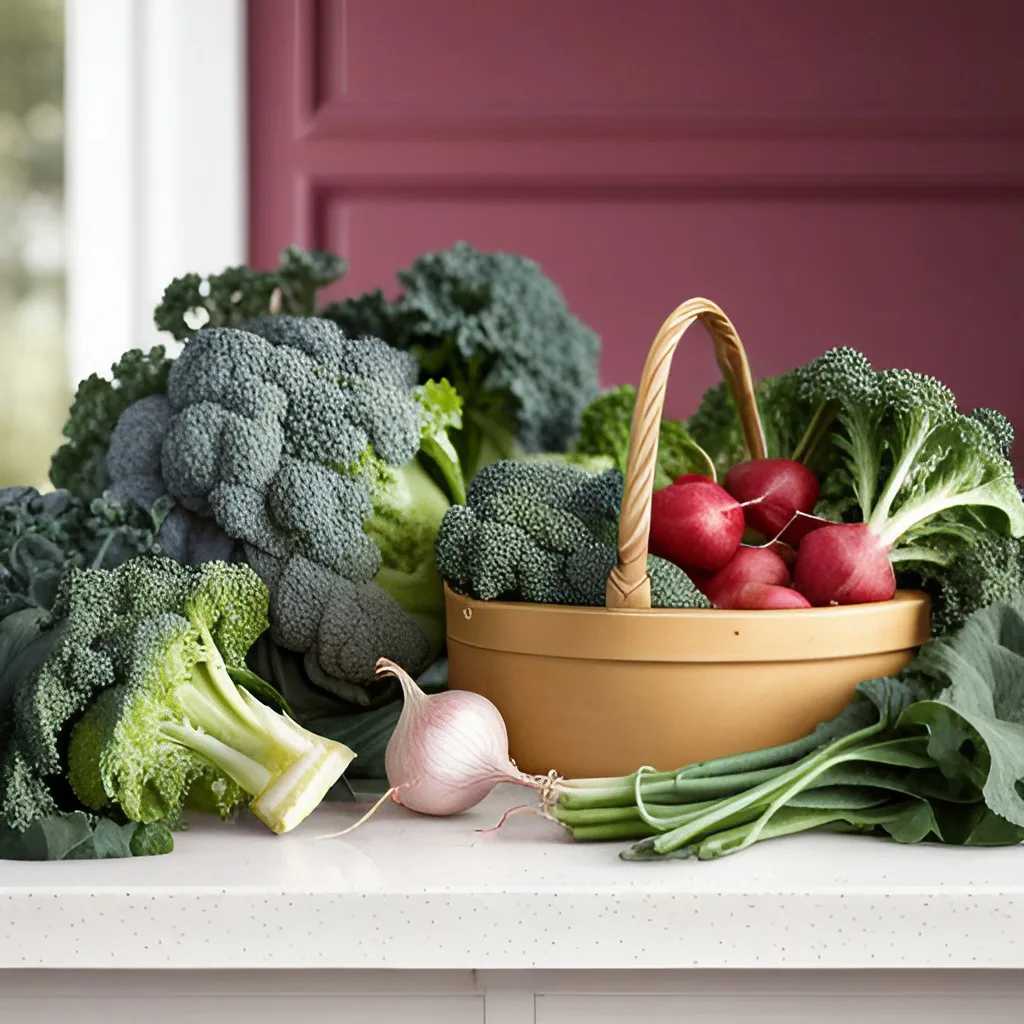
But gardening enthusiasts, take note! Fall is an opportune time to plant a variety of wholesome vegetables that not only thrive in cooler temperatures but also bring a bounty of flavors to your autumn meals.
In this article, we’ll explore the myriad of vegetables you can cultivate during this season. From leafy greens to hearty root vegetables, discover how your garden can continue to flourish even in cold temperatures and as the leaves begin to fall.
This article may contain affiliate links. Please see our disclosure policy for more details.
Why Consider Planting A Fall Garden?
There are several compelling reasons to consider planting a fall garden.
Firstly, fall gardening allows you to extend your growing season and maximize the yield from your plot. With the right planning and care, you can have fresh, homegrown vegetables at your disposal well into the cooler months.
This not only enhances your self-sustainability but also provides an economical way to eat healthy.


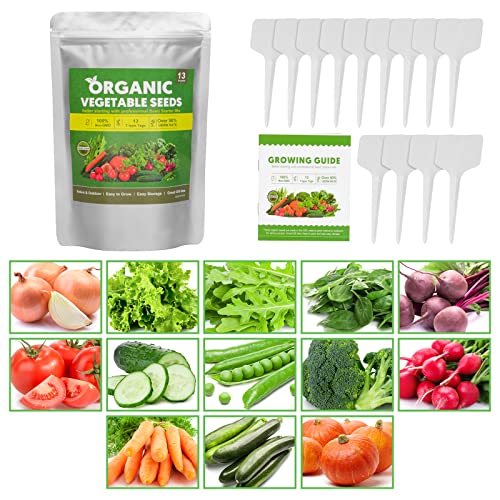


Secondly, fall gardening can be more comfortable and manageable compared to the peak summer months. The harshness of the summer sun is replaced by the milder, gentler fall climate, making it a more enjoyable experience for the gardener.
Plus, pests and diseases that are abundant in the summer tend to decrease in the fall, reducing the amount of time and effort needed for maintenance and pest control.
Read Also – Companion Gardening For Insects And Pests
Lastly, fall is the perfect time to grow certain types of crops. Some vegetables, like kale and Brussels sprouts, actually become sweeter after being touched by frost. Others, like garlic and onion, need the winter’s cold to divide and produce new bulbs.


By understanding the unique growth cycles and characteristics of these plants, you can leverage the fall season to grow a delicious array of produce that might not do as well during other times of the year.
In essence, planting a fall garden is a rewarding endeavor that offers numerous benefits. From extending your harvest to enjoying the crisp autumn air while tending to your garden, fall gardening is an activity worth considering for every passionate green thumb.
What Are The Best Fall Vegetables For Garden?
Fall is a fantastic season for growing a variety of vegetables, thanks to the cooler temperatures and moderate rainfall. Certain vegetables thrive during this time because they are cool-season crops, meaning they can withstand lower temperatures and in some cases, even improve in taste after a light frost.
Root Vegetables
Let’s start with root vegetables like carrots and beets. These underground gems prefer cooler weather, making them perfect for a fall garden.

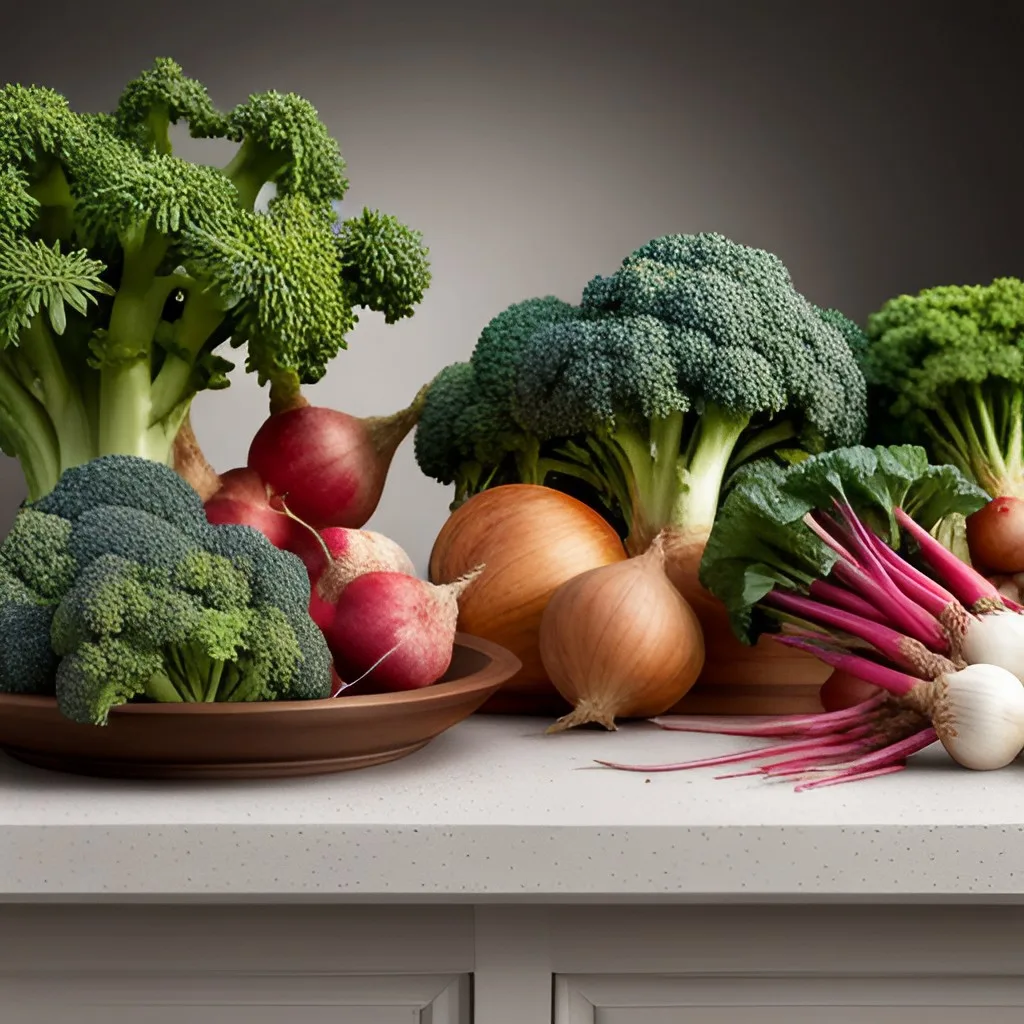
Carrots, with their crunchy texture and sweet flavor, can be harvested anytime once they’ve reached a desirable size. Beets, on the other hand, are known for their earthy taste and vibrant red color. They’re ready to harvest when they’re about the size of a golf ball.
Read Also – How To Plant and Grow Beets
Brassicas
Brassicas, which include kale, cabbage, and Brussels sprouts, are another group that thrives in the fall. They are hardy vegetables that can withstand frost, and their flavors often become sweeter after a cold snap.
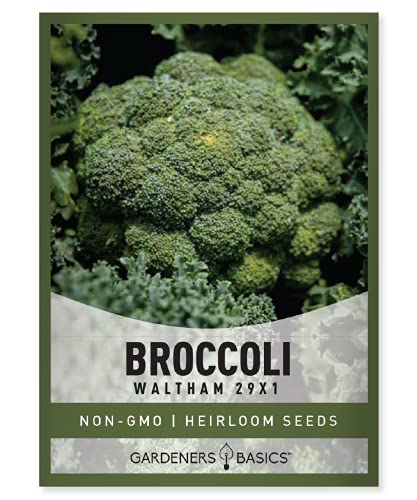
25 Winter Vegetable Garden Seeds Variety Pack for Planting Outdoors & Indoor Home Gardening 6500+ Non-GMO Heirloom Veggie Seeds: Broccoli Beet Carrot Collard Lettuce Radish Spinach Pea Kohlrabi & More Survival Garden Seeds Broccoli Microgreens for Sprouting and Growing – Seed to Sprout Green Leafy Micro Vegetable Plants Indoors – Grow Your Own Mini Windowsill Garden – Non-GMO Heirloom VarietyBurpee Sun King Broccoli Seeds 400 seedsBroccoli Seeds for Planting is A Great Heirloom, Non-GMO Vegetable Variety- 1 Gram Seeds Great for Outdoor Spring, Winter, and Fall Gardening by Gardeners BasicsBroccoli: A short illustrated book of facts to help children understand fruits and vegetables. Illustrated and educational book for children aged 4 to 10 years (Fun Facts on Fruits and Vegetables)



Kale, with its dark green, slightly bitter leaves, can be harvested leaf by leaf as needed. Cabbage heads should be harvested when they’re firm and well-formed. As for Brussels sprouts, they are typically ready to harvest when the lower sprouts are the size of a large marble.
Leafy Greens
Leafy greens such as spinach and lettuce are also excellent choices for a fall garden. Spinach, with its tender leaves and slightly sweet flavor, prefers cooler temperatures and can be harvested as soon as the leaves are big enough to eat. Lettuce, especially loose-leaf varieties, can be harvested leaf-by-leaf over a long period.
More Notes On Growing A Successful Fall Garden
To ensure a successful fall garden, preparation is key. Start by choosing a location that gets ample sunlight and has well-draining soil. Amend the soil with organic matter like compost or well-rotted manure to improve its fertility and structure.
Regular watering is essential, but avoid overwatering as it can lead to root rot and other diseases.
As for fertilization, a slow-release organic fertilizer is a good choice for most fall vegetables. This provides a steady supply of nutrients throughout the growing season.
It’s also beneficial to apply a layer of mulch around your plants to conserve moisture, suppress weeds, and regulate soil temperature.
In conclusion, fall gardening offers a unique opportunity to grow a variety of tasty and nutritious vegetables. With proper planning, care, and a little bit of love, you can enjoy a bountiful harvest from your fall garden.
When Can I Harvest My Fall Crops?
When you can harvest your Fall crops will depend on exactly when you planted them and how long they take to grow.
For example, some vegetables take just a few weeks from plant to harvest. Beets and radishes are a great option if you want a really fast turnover in your Fall garden.
On the other hand, plants such as garlic and onions do best when planted in the late Fall season when cold weather is upon us. They will grow and thrive throughout the cool weather and will be ready to harvest and enjoy come the following Spring.
Harvesting your fall crops at the right time is crucial to ensuring you get the best flavor and nutritional value from your produce.
Read Also – Companion Planting For Abundance And Flavor
Here’s a guide to help you determine when and how to harvest some common fall crops:
1. Root Vegetables (Carrots, Beets, Radishes):
Root vegetables are typically ready to harvest 50-70 days after planting. You can check if they are ready by gently brushing aside the soil at the top of the root.
If they’ve reached a desirable size, they’re ready for harvest.
To remove, grasp the plant at its base and pull straight up. Harvest in the morning when temperatures are cooler to keep them crisp. Store in a cool, dark place.
2. Leafy Greens (Spinach, Lettuce, Kale):
Leafy greens can be harvested as soon as they have enough leaves to make a decent-sized salad, typically 30-45 days after planting.


For a continuous harvest, pick outer leaves first and allow the center leaves to continue growing. Harvest in the morning when leaves are at their freshest and most crisp. Store in the refrigerator in a plastic bag.
3. Brassicas (Cabbage, Brussels Sprouts, Broccoli):
Brassicas generally take longer to mature, around 80-100 days. Cabbage is ready when the head is firm and well-formed. Brussels sprouts are ready when the lower sprouts are the size of a large marble.
Read Also – How To Care For Broccoli
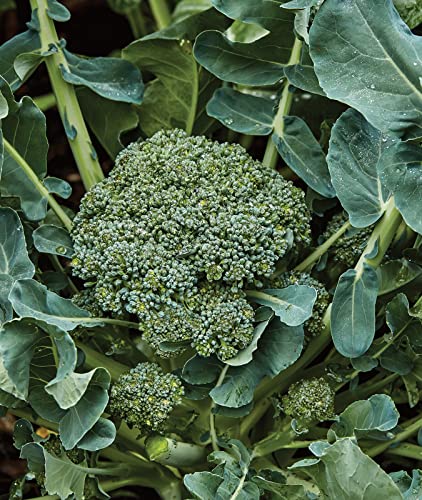
Broccoli should be harvested before the flower buds open, while they are still tight and green. Cut the stalk with a sharp knife, leaving a few inches of stem. Store in the refrigerator.
More Tips On Ensuring A Successful Fall Harvest
Harvesting too early can result in smaller yields and less flavorful produce. On the other hand, waiting too long can lead to overripe or spoiled crops. Regularly inspect your garden and look for signs of maturity to determine the best time to harvest.

In terms of scheduling, the best time to harvest is usually in the morning after the dew has dried but before the heat of the day. This is when plants are at their peak freshness and hydration.
When it comes to safety measures, always use clean, sharp tools to minimize damage to the plants and reduce the risk of spreading disease.


Remember that each plant is unique and may not always follow the average maturation times. Factors such as weather, soil fertility, and pest pressure can all affect when a crop is ready to harvest.
The more you garden, the better you’ll become at determining the perfect time to harvest your crops.
Fall Vegetables List For A Fall Crop/Fall Harvest
If you want to enjoy a Fall crop/Fall harvest, these are the best vegetables for a late Summer/early Fall planting.
- Kale: This is a hardy leafy green that becomes sweeter after a frost. Plant six weeks before the first frost and water regularly. Mulch around the plants to protect the roots from freezing temperatures.
- Spinach: Spinach thrives in cool weather and can germinate in soil as cold as 40°F. Keep the soil moist but not soggy, and watch out for slugs which can be a common pest.
- Swiss Chard: This colorful leafy green prefers cooler temperatures. Water regularly and provide plenty of sunlight. Protect from frost with a row cover if necessary.
- Radishes: These root vegetables are quick to mature, often ready to harvest just three weeks after planting. They need well-drained soil and consistent watering. Radishes can resist some frost.
- Beets: Beets can withstand frost and should be planted about two months before the first expected frost. They require loose, well-draining soil and regular watering.
- Carrots: Carrots do well in cooler weather. They need deep, well-drained soil and should be watered regularly. They can resist some frost and their flavor improves after a frost.
- Broccoli: This vegetable prefers cooler temperatures and needs to be watered regularly. Watch out for cabbage worms, which can be a common pest.
Read Also – What Grows Well With Broccoli? - Brussels Sprouts: These hardy plants do best in cooler weather and can even withstand a hard frost. They need regular watering and plenty of sunlight.
- Lettuce: Lettuce is a cool-weather crop that needs consistent moisture to prevent bolting. Use row covers to protect from frost and pests.
Remember, while these vegetables are generally hardy in cooler weather when the late summer heat has passed, each plant’s exact care and watering requirements can vary based on your specific location and soil conditions. Always pay attention to the needs of your plants and adjust care as necessary.
Reaping a Bounty: Your Guide to a Successful Fall Harvest
As we conclude this comprehensive guide, it’s clear that the fall season contains a wealth of opportunity for the diligent gardener. From the hardy kale and spinach to the sweet carrots and beets, there’s a myriad of vegetables that can not only endure but thrive in the cooler temperatures of autumn.
Preparing your garden for fall planting requires some forethought and care, but the rewards of a few plants are well worth the effort. Remember, each vegetable has its unique requirements for sunlight, water, and soil conditions, so pay close attention to these when planning your garden.


Overcoming challenges such as frost and pests can seem daunting, but with the right knowledge and tools, you can ensure your garden remains robust and productive. Don’t be afraid to experiment with different vegetables and planting methods to see what works best for your specific situation.
In the end, the joy of gardening comes not just from the bountiful harvest, but from the process itself – the quiet mornings spent tending to your plants, the anticipation of the first sprouts, and the satisfaction of cooking a meal with vegetables grown in your own backyard.
So put on your gardening gloves, grab your spade, and get ready to enjoy the fruitful season of fall. Happy gardening!


Charlene has been dabbling in and learning about the homesteading lifestyle for almost 20 years. She recently started a real-world homestead with her extended family and is excited to share 20+ years of knowledge and experience with the world!
While she certainly doesn't know everything about homesteading and is learning more every day, she is excited to learn and grow along with YOU!
Charlene blogs about about homesteading at https://secretlifeofhomesteaders.com/.
Barbara
Wednesday 4th of October 2023
Charlene, YUM! I just planted three broccolini plants this past weekend and I hope to harvest some broccoli early this winter. Thankfully I have tons of heavy plastic so I'll tent them as we get colder. I appreciate your article here. :) I am going to take new cuttings and get some tomato plants growing inside this winter, too. I figure if Monty Don from Gardener's World (UK/BBC production found on YouTube) can do it, so can we! ;) Fresh tomatoes are sooo much better than those half-done ones you can find in winter.
Happy to share your post at this evening's Share Your Style #405 for you. <3
Fall hugs to you, Barb :)
Nancy Andres
Tuesday 19th of September 2023
So many tips so many good ideas about planting a fall veg garden. The only things I have growing now are radishes and basil. This post inspired me to plant more. Do you think it's too late in Sept. (19th) to start planting now? If it is I'll start earlier next year. I live in Southern AZ so it stays warm for longer than many other places. Saw this post at InLinkz 279 Senior Salon Pit Stop and my shares are #98 through 102. Nancy Andres @ Colors 4 Health
Cara ~ Vintage Style Gal
Sunday 16th of July 2023
Thank you for sharing Charlene, I would love to have a garden, but seem to fail every time I try. I did not know there was such as thing as a fall garden, now I do! Thanks for linking up to Whimsy Home Wednesday.
maria
Sunday 16th of July 2023
Thank you for sharing your Fall Vegetable Garden post at the Senior Salon Pit Stop party this week. I’m excited to be featuring it at the party tomorrow. Sharing on Facebook and pinned. Hugs, Maria @ kraftyplanner.com
Michele Morin
Thursday 13th of July 2023
I’m always a little jealous of you double season gardeners!